

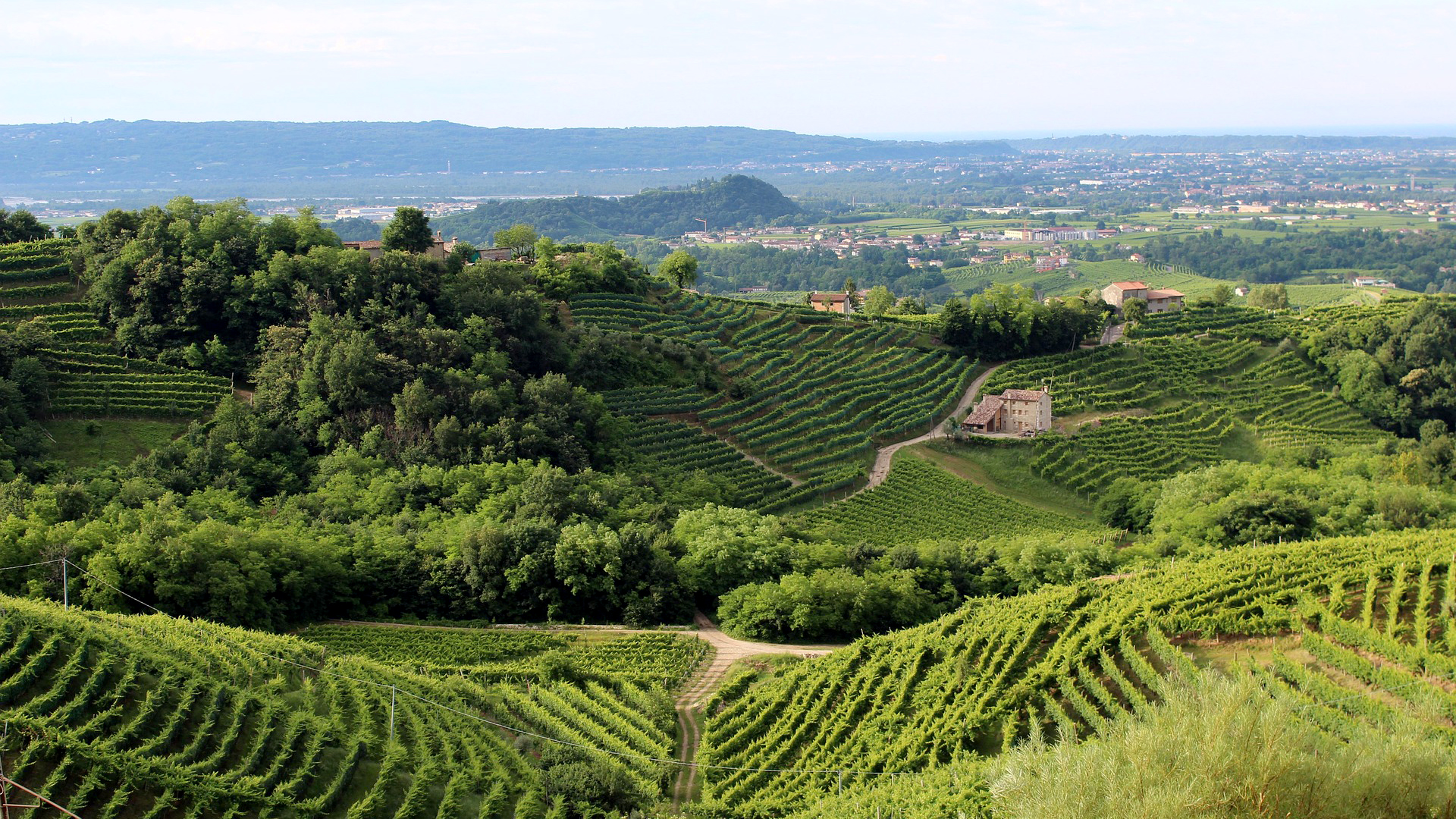
A look at the Veneto wine region
The Veneto wine region, located in the north-east of Italy, is one of the most famous and traditional wine-growing regions in the country. The region stretches from Friuli to the Adriatic Sea, offering an impressive variety of landscapes. The proximity to the Lombardy border and Emilia Romagna shapes the terroir, as do the cool breezes from the Adriatic coast. In the north of the region, the foothills of the Alps provide protection against harsh weather conditions.
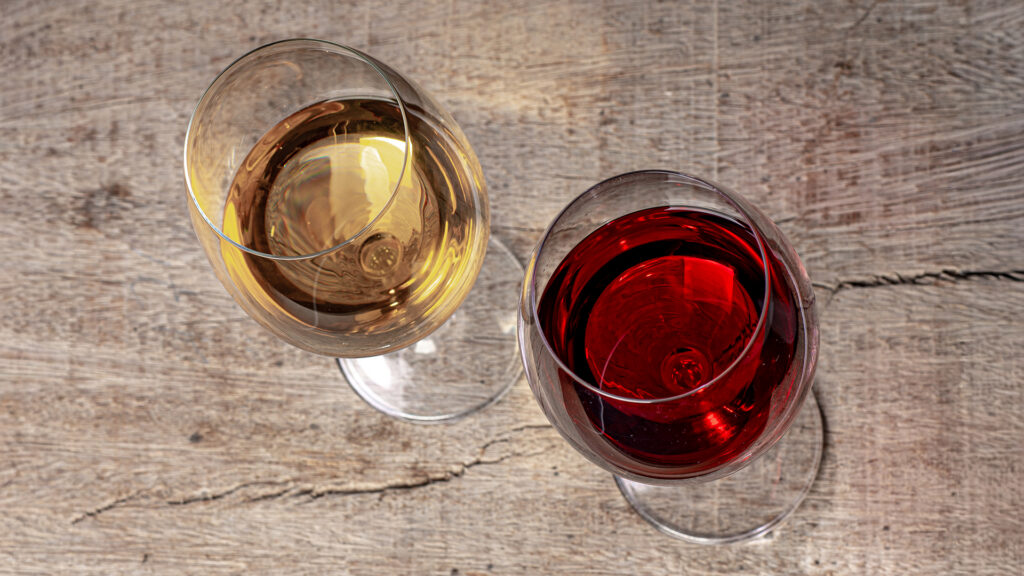
Veneto is home to a large number of producers who cultivate the region’s wine tradition with passion and care. The wine world of this region is characterized by a variety of grape varieties and wine styles, ranging from light white wines to powerful red wines.
The wine tradition of Veneto dates back to the Middle Ages. Even then, wine from this region was exported to Venice and other parts of Europe. Today, Veneto wines enjoy an excellent reputation all over the world.
Climate and soils as the basis for outstanding quality
The mild climate of Veneto, influenced by the breezes of the Adriatic and the protection of the Alps, creates ideal conditions for viticulture. The different soils, from limestone and clay to volcanic and sandy subsoils, shape the character of the wines.
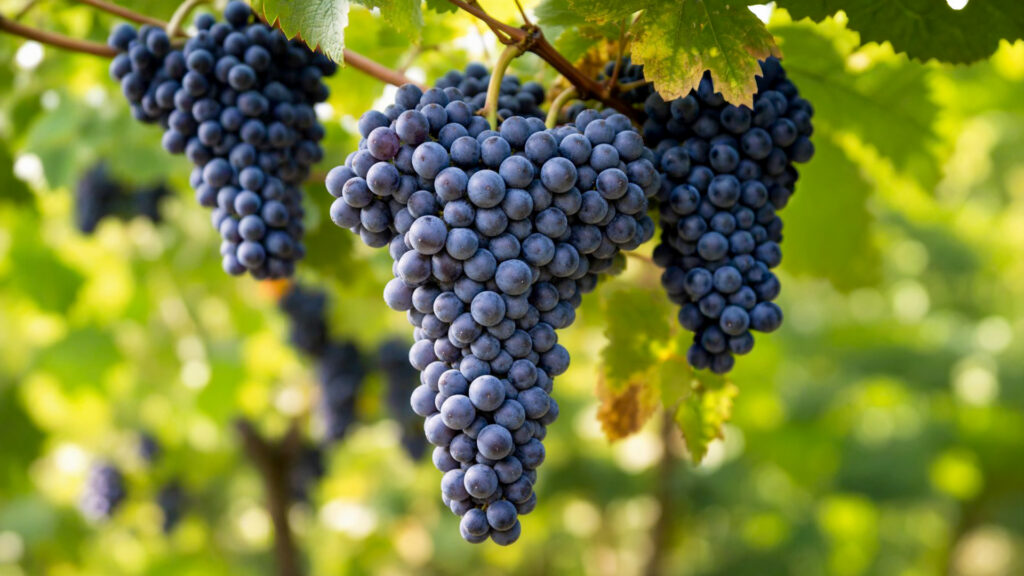
It is precisely this diversity of soils that makes it possible to cultivate a wide range of grape varieties. These include the local varieties Corvina Veronese, Rondinella and Molinara as well as international grape varieties such as Cabernet Sauvignon and Merlot.
The calcareous soils in combination with the climatic influences ensure that the wines from Veneto have a pleasant acidity and freshness. This has a positive effect on the taste and shelf life.
Wine regions in Veneto
Veneto is one of Italy’s most famous wine regions and offers an impressive variety of wine regions known for their high-quality wines. With a vineyard area of around 94,000 hectares, Veneto produces a wide range of wines, from sparkling Proseccos to powerful Amarone and Valpolicella. The region’s unique soils and favorable climate give the wines their characteristic aromas and flavors. Of particular note are the provinces of Verona, Vicenza and Treviso, which are known for their outstanding wines such as Soave, Valpolicella and Amarone. Each of these regions produces its own special features and styles, which underline the diversity and quality of Veneto wines.
Famous wines from Veneto
The Veneto wine region is known above all for some famous wines that are appreciated far beyond Italy’s borders. One of Italy’s best-known sparkling wines, Prosecco, comes from the Veneto. The Glera grape variety forms the basis for this fresh and lively sparkling wine. Veneto is also known for its high-quality red wines such as Amarone, Valpolicella and Bardolino.

Another important representative is the Amarone della Valpolicella. This red wine is made from dried grapes, which gives it exceptional concentration and strength. The typical cuvée for Amarone includes Corvina Veronese, Rondinella and Molinara. The Recioto della Valpolicella, a sweet red wine from the same region, is also one of the top wines and impresses with its complexity.
The Valpolicella Ripasso, also from the Valpolicella region, is made using a special production process in which the young wine is fermented on the marc of the Amarone. The result is a full-bodied wine with depth and structure.
Veneto also impresses with white wines such as Soave, which is made from the Garganega grape. These wines impress with their freshness, fine acidity and elegant fruit aromas. Trebbiano di Soave also plays an important role here, contributing to the diversity and complexity of the wines.
Masi Agricola – A pioneer in the region
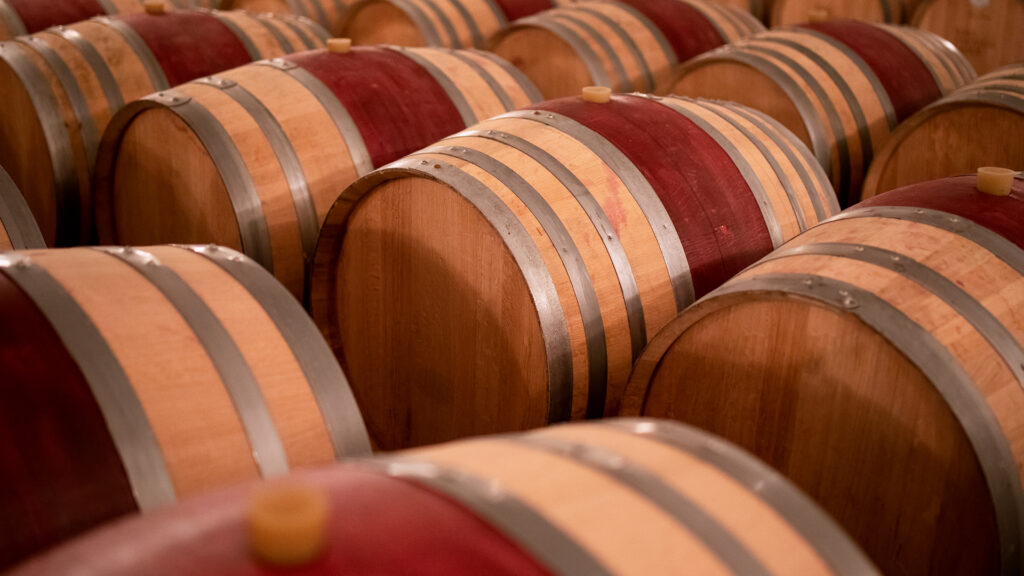
Masi Agricola is a winery in Veneto that is known for its high-quality wines and innovative production methods. Founded by the Boscaini family, Masi Agricola has established itself as a pioneer in the region over the decades. The winery produces a wide range of wines, from sparkling Proseccos to powerful Amarone and Valpolicella. Particularly noteworthy is the combination of traditional methods, such as the use of wooden barrels, and the careful selection of grapes. Masi Agricola is an important part of the wine tradition in Veneto and offers an impressive selection of wines to suit all tastes.
Cabernet Sauvignon in Veneto – A special touch
Cabernet Sauvignon is a grape variety that is cultivated in Veneto and gives the region’s wines a special touch. Known for its strong tannins and aromas of black fruits, Cabernet Sauvignon brings structure and complexity to the wines. In Veneto, it is often blended with indigenous grape varieties such as Corvina Veronese and Rondinella to create unique cuvées. These combinations enrich the region’s wine palette and offer wines that are appreciated for both their depth and their versatility. Cabernet Sauvignon is therefore an important part of the wine diversity in Veneto and offers wines to suit all tastes.
Vineyards and producers
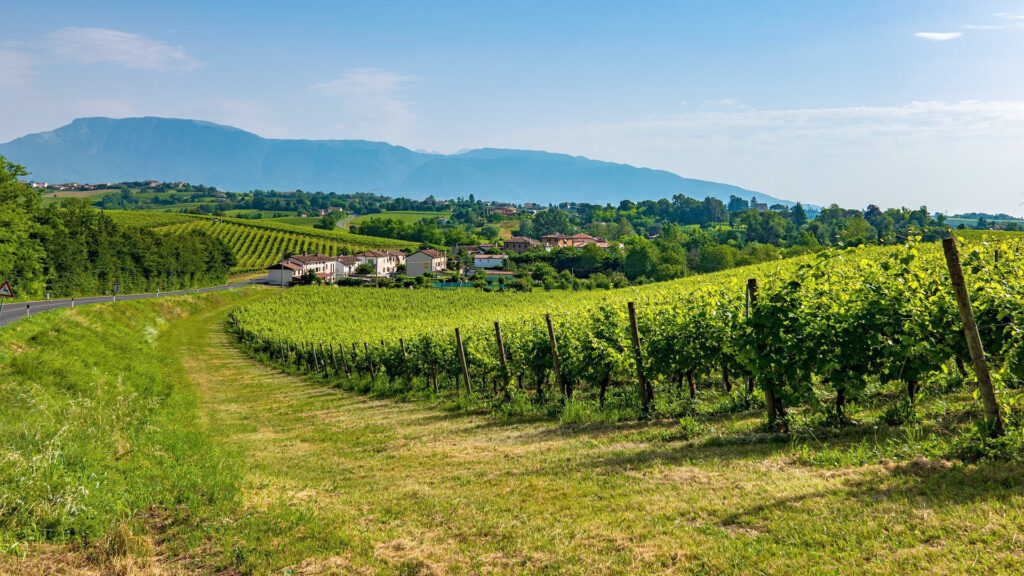
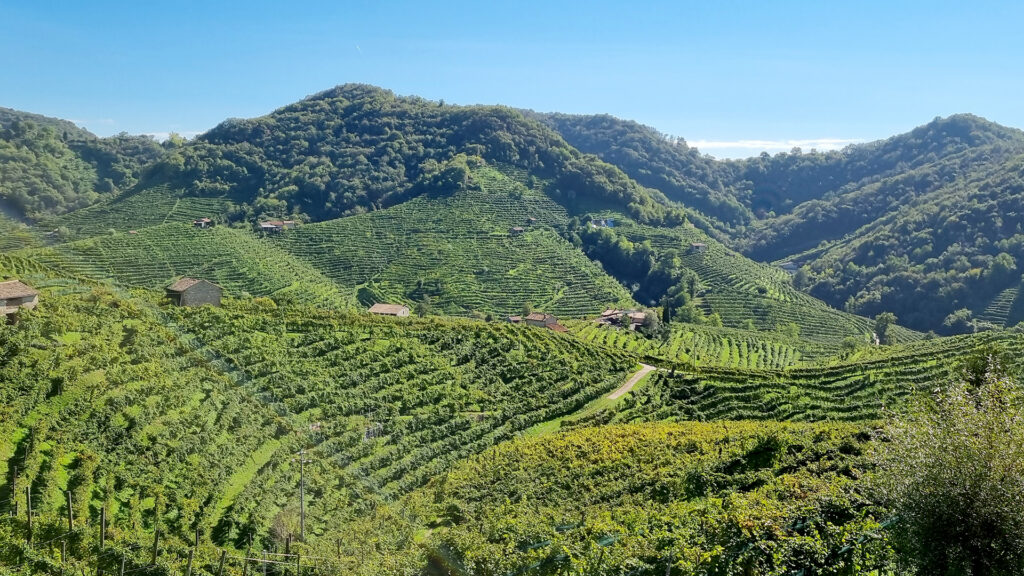
The vineyards in Veneto range from the gentle hills of Valpolicella to the Valdobbiadene area and the plains near the Adriatic coast. The juxtaposition of small, family-run wineries and large producers makes for an exciting mix of tradition and modern wine production. The Conegliano Valdobbiadene region, which is known for its high-quality Proseccos, is particularly noteworthy.
Well-known producers include Masi Agricola, a name that is inextricably linked with Amarone della Valpolicella. In addition to the big names, there are numerous smaller wineries that produce special wines with great dedication. Another example is Pieropan, a leading wine producer in the Soave region, which is known for its first-class wines.
The careful selection of grape varieties and conscious work in the vineyard and cellar contribute significantly to the consistently high quality of Veneto wines. Many wineries rely on sustainable farming and natural cultivation methods. Their range comprises a unique collection of wines that includes sparkling Proseccos as well as full-bodied Amarone and fresh Valpolicella wines.
Wine specialties in Veneto
Veneto is known for its wine specialties, which include an impressive variety of unique wines. The most famous wine specialties include the sparkling Prosecco, the full-bodied Amarone and the fruity Valpolicella. Prosecco, a popular sparkling wine, is often enjoyed as an aperitif and impresses with its freshness and liveliness. Amarone, a powerful red wine, is known for its complexity and aromas of dark fruit and is an excellent accompaniment to hearty meat dishes. Valpolicella, a lighter red wine, is appreciated for its freshness and fruitiness and is an ideal accompaniment to Italian dishes. Veneto therefore offers a wide range of wine specialties to suit every taste.

Wine tourism in Veneto – an experience for all the senses
Wine tourism in Veneto is an experience for all the senses and offers visitors the opportunity to immerse themselves in the world of wines and the wine tradition of the region. Numerous wineries in Veneto open their doors to visitors and offer guided tours and wine tastings. These experiences allow visitors to get to know the different wines and their aromas and flavors. Wine tourism is an important part of the regional economy and offers a variety of opportunities to discover the wine tradition and wines of the region. Whether on a guided tour through the vineyards or a tasting in the wine cellar – wine tourism in Veneto promises unforgettable moments of pleasure.
Wine and food – a harmonious interplay
The variety of Veneto wines opens up numerous possibilities for enjoyable food pairings. A Prosecco is perfect as an aperitif, but also harmonizes with light starters such as vitello tonnato or seafood antipasti.
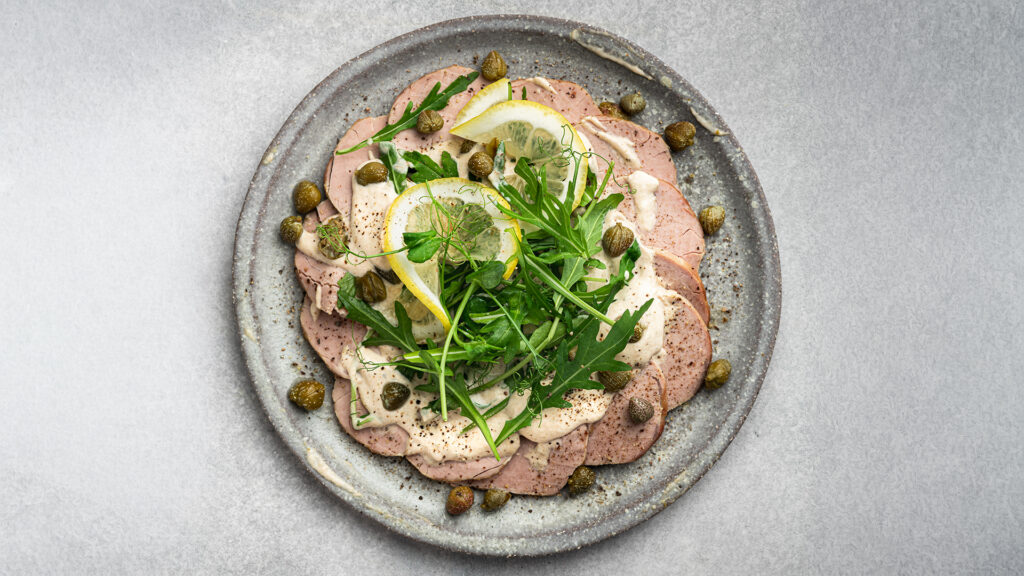
The fresh Soave complements finely prepared fish dishes or risotto with vegetables. Its elegant acidity brings structure and underlines the fine aromas of the food.
Amarone della Valpolicella, with its powerful aroma and high alcohol content, is perfect with braised dishes such as ossobuco or mature hard cheese. It also shows its strengths with game dishes.
Valpolicella Ripasso, on the other hand, is an ideal accompaniment to pasta with strong sauces, grilled meat or hearty stews. Its structure and aromatic profile enhance the intense flavors of these dishes.
The regional cuisine of Veneto is characterized by the delicate texture of polenta and the velvety texture of Amarone wine, which provide a rich and full-bodied flavour profile.
The regional wines also pair well with traditional dishes from Veneto, such as polenta with mushrooms or poultry from the oven. This creates harmonious moments of pleasure that underline the connection between wine and cuisine. These products have been specially selected for quality connoisseurs and help them make informed decisions when buying.
FAQ about Veneto wines
What makes Amarone della Valpolicella so special?
Amarone della Valpolicella is made from air-dried grapes, which gives it a high concentration of aromas and sugar. This method ensures fullness, complexity and a long ageing potential. Passing the Valpolicella wines through the Amarone mash again further intensifies the tannins and aromas, making the wine even more complex and rich.
Which grape varieties are used for Prosecco?
The main grape variety for Prosecco is Glera. Depending on the producer, smaller proportions of other grape varieties may also be used, but Glera remains the basis for the typical Prosecco style.
What does Ripasso mean for Valpolicella Ripasso?
Ripasso refers to the process in which a young Valpolicella wine is fermented a second time over the pomace of the Amarone. This gives the wine more depth, richness and aroma.
What role does terroir play in Veneto?
The terroir with its calcareous, clayey and volcanic soils and the mild climate influenced by the sea and the Alps are decisive for the quality and character of Veneto wines.
Which dishes go well with Veneto wines?
Prosecco is suitable for aperitifs and light starters. Soave goes well with fish dishes and risotto. Amarone goes well with strong meat dishes and hard cheeses, while Ripasso is ideal with pasta, grilled meat and stews.