

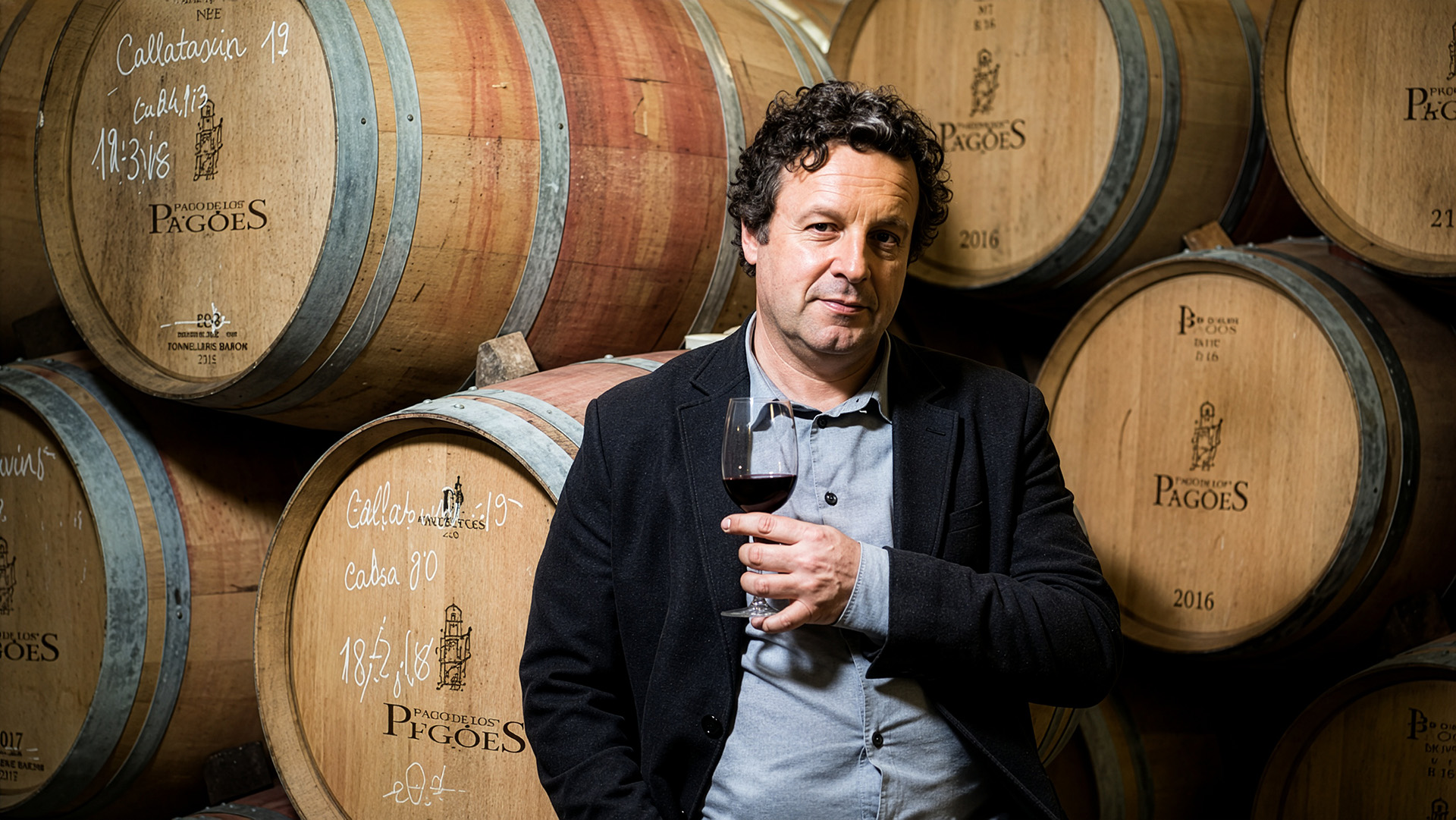
Isidro de Pegões Winery in the Setúbal Region
The Isidro de Pegões Winery is located south of Lisbon on the Setúbal Peninsula, near the town of Montijo. This location combines proximity to the capital with rural tranquility and ideal conditions for viticulture. The region is a major center for Portuguese viticulture and encompasses the two main appellations, DOC Palmela and DOC Setúbal. With a total vineyard area of approximately 10,000 hectares, the region also holds a prominent position on a national level. The region is one of Portugal’s most traditional wine-growing areas and is known for its diversity.

© Isidro de Pegões – The cooperative plays a leading role in the region
The region’s wineries benefit from sandy soils, a mild Atlantic influence, proximity to the Tagus River, and plenty of sunshine, all of which further enhance the microclimate. These conditions promote even ripening of the grapes and lend the wines freshness, fruitiness, and structure. The Isidro de Pegões winery is a central part of this landscape and shapes the style of many types of vinho. The village of Santo Isidro de Pegões, in particular, is considered an important wine-growing center in the region.
Isidro de Pegões and Its History
The region is one of Portugal’s finest wine regions, and its wines are prized around the world. All of the winery’s wines are known for their high quality and diversity, offering wine enthusiasts a wider selection. Isidro de Pegões was founded with the goal of making high-quality wine accessible to a broad audience. The Setúbal Peninsula, where the winery is located, has a rich winemaking tradition dating back to the 19th century. Over the decades, Herdade Pegões has developed into one of the region’s most significant viticultural projects. From the very beginning, winemakers have worked hand in hand here to ensure quality and consistency.
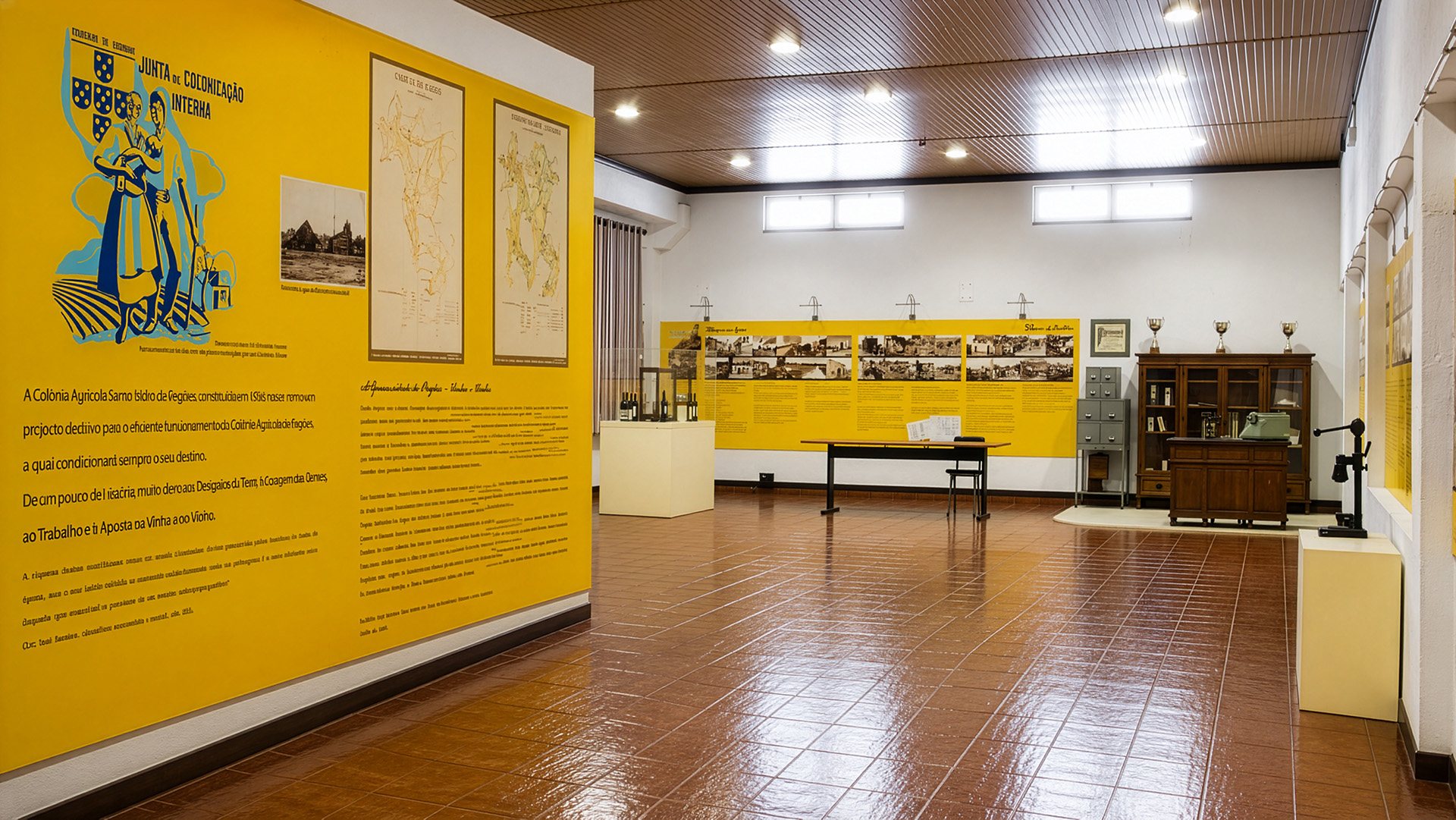
© Isidro de Pegões – The history of this wine region is closely tied to the cooperative
The winery’s history is also closely linked to the development of modern winemaking infrastructure in Portugal. Adega de Pegões was founded in 1958 and has since grown into one of the region’s leading companies and cooperatives. Investments in viticulture, winemaking technology, and training laid the foundation for its current success. Isidro de Pegões thus exemplifies the rise of Portuguese wines in European markets.
Significance for Portugal and Europe
Isidro de Pegões is an important part of Portugal’s wine landscape. The Cooperativa Agrícola Santo Isidro de Pegões is considered one of Portugal’s best producers and cooperatives and has played a significant role in the development of the region’s wine sector. The wines are recognized internationally and have won numerous gold medals, including at the Berlin Wine Trophy, where they received outstanding ratings compared to entries and producers from Germany, Italy, France, Switzerland, and other national categories. For wine enthusiasts, the cooperative offers a wide selection of blends, in which the proportion of grape varieties—such as Castelão—plays a decisive role in defining the wine’s style. Its proximity to Lisbon has also significantly fostered the development of the wine trade and direct marketing.
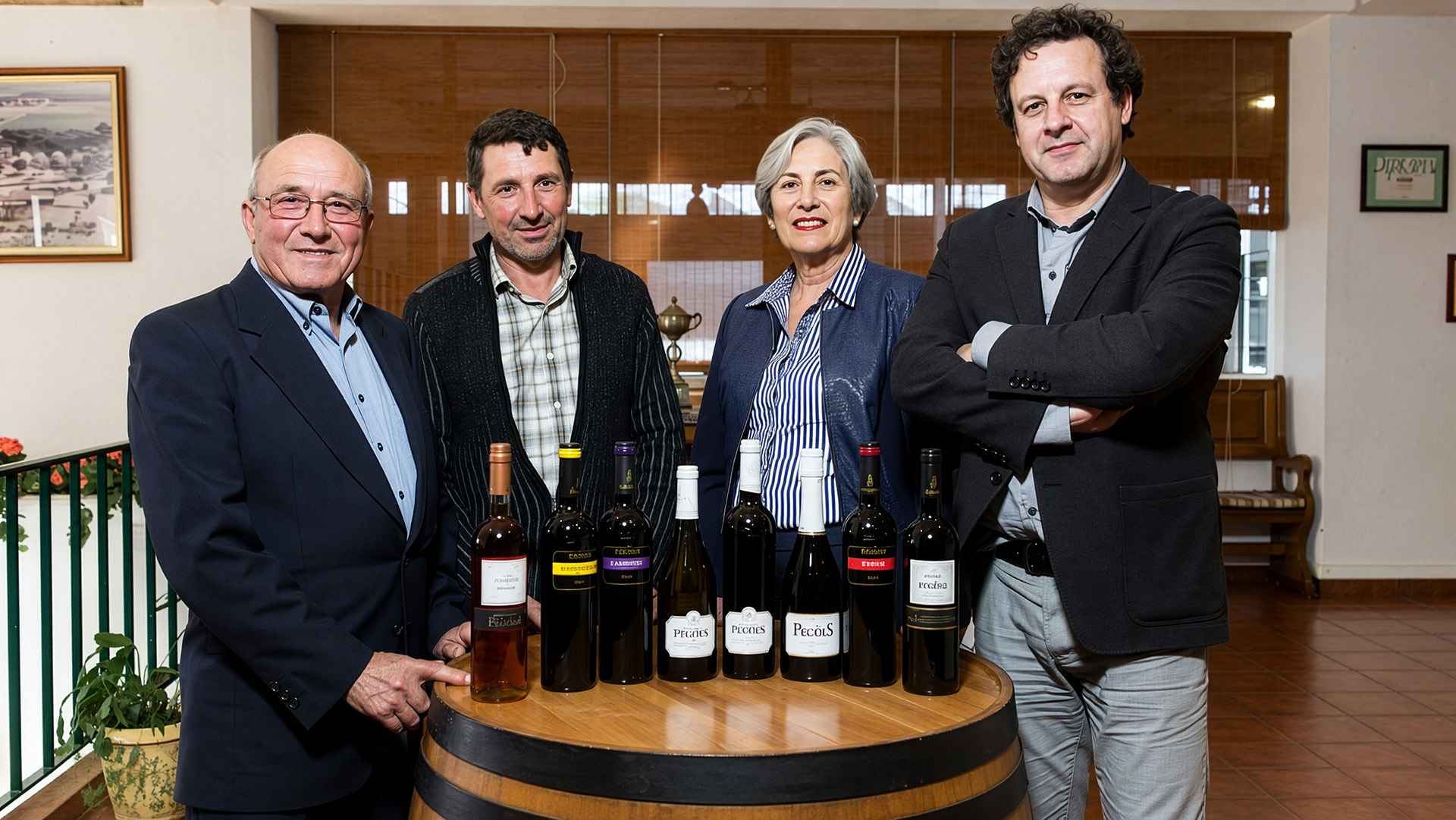
© Isidro de Pegões – Mário Figueiredo (Chairman of the Board), Carlos Pereira (Board Member), Maria Helena Oliveira (Board Member), Jaime Quendera (Managing Director and Chief Oenologist), from left to right
The winery demonstrates how tradition and modern viticulture can come together. It is an example of the strength of regional wineries.
Terroir, Soils, and Natural Conditions
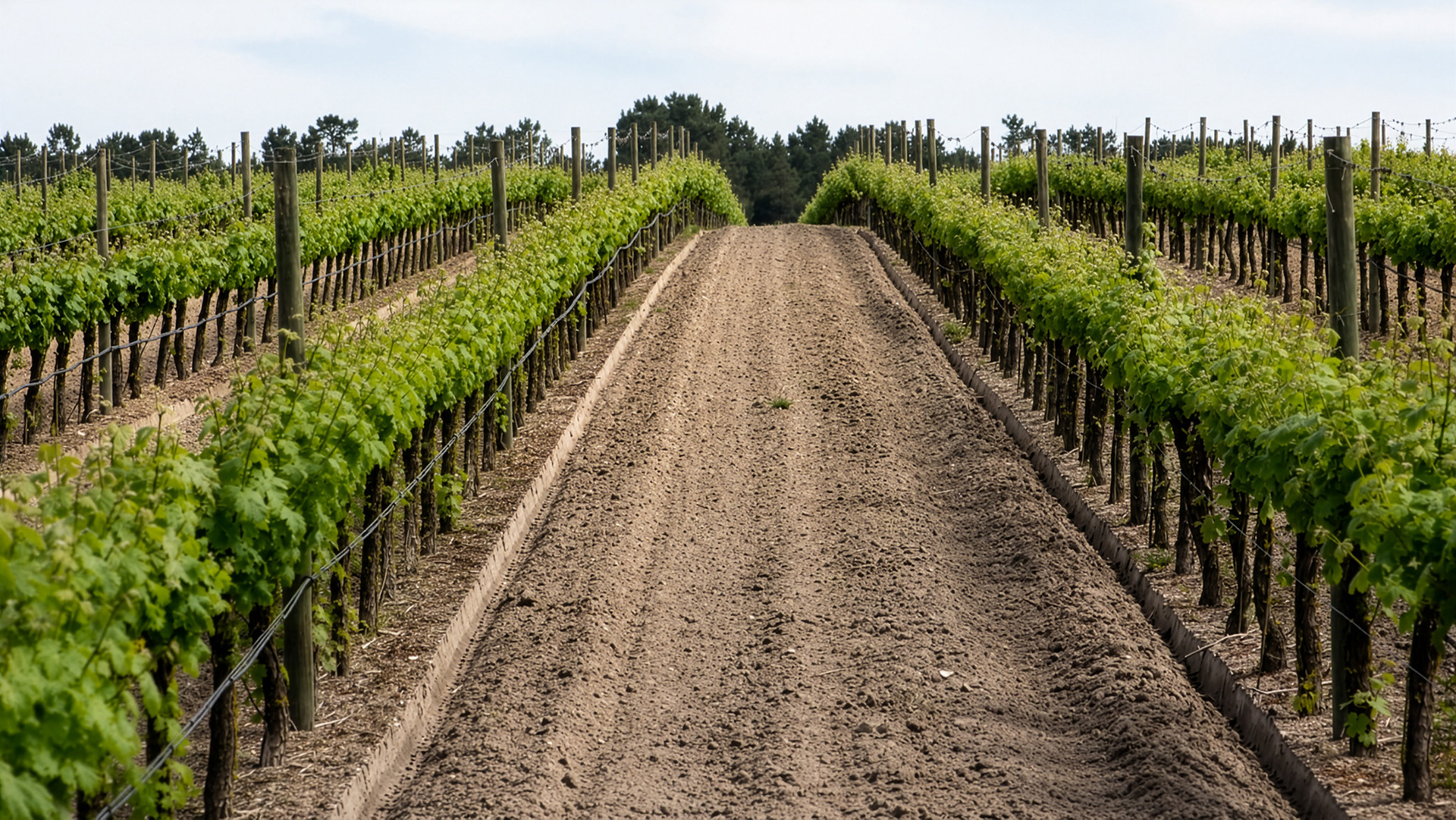
The soils around Pegões are predominantly sandy, interspersed with clay. This composition forces the vines to root deeply, which imparts concentration and character to the grapes. Cork oak and Mediterranean vegetation dominate the landscape.
The climate is dry, with hot summers and cool nights. These conditions promote aromatic fruit, stable acidity, and well-balanced vintages. The vines are planted on firm soil and are cultivated using sustainable methods to ensure long-term quality.
© Isidro de Pegões
Grape Varieties and Winemaking Philosophy
Today, the winery is clearly committed to a quality-oriented grape variety strategy in which Touriga Nacional plays a central role. In addition to Touriga Nacional, Castelão, Arinto, and Muscat (Moscatel) are the region’s most important grape varieties, with the proportion of Castelão in the blends and single-varietal wines being decisive for the style and classification. It increasingly shapes the style of Isidro de Pegões’ red wines and is characterized by depth, aromatic complexity, and great aging potential. Dark fruit, floral nuances, structure, and length make it the most important variety for ambitious bottlings and the cornerstone of the winery’s modern direction.
Castelão remains an important part of the blend, but is used selectively and reinterpreted. The portfolio is complemented by international grape varieties that contribute structure, spice, and freshness, as well as white wine grapes such as Fernão Pires, Moscatel, and Arinto, which provide clarity, balance, and approachability. Adega de Pegões’ white wines make strategic use of these grape varieties to produce fresh and aromatic wines. The selection of varieties always aims to reflect the terroir of the Setúbal Peninsula in a contemporary and market-friendly way. The winery offers more than just red wines: its range includes red, white, and rosé wines, sparkling wines, spirits, and Moscatel wines, with white wines and rarities such as Moscatel ranking among its finest and most sought-after specialties.
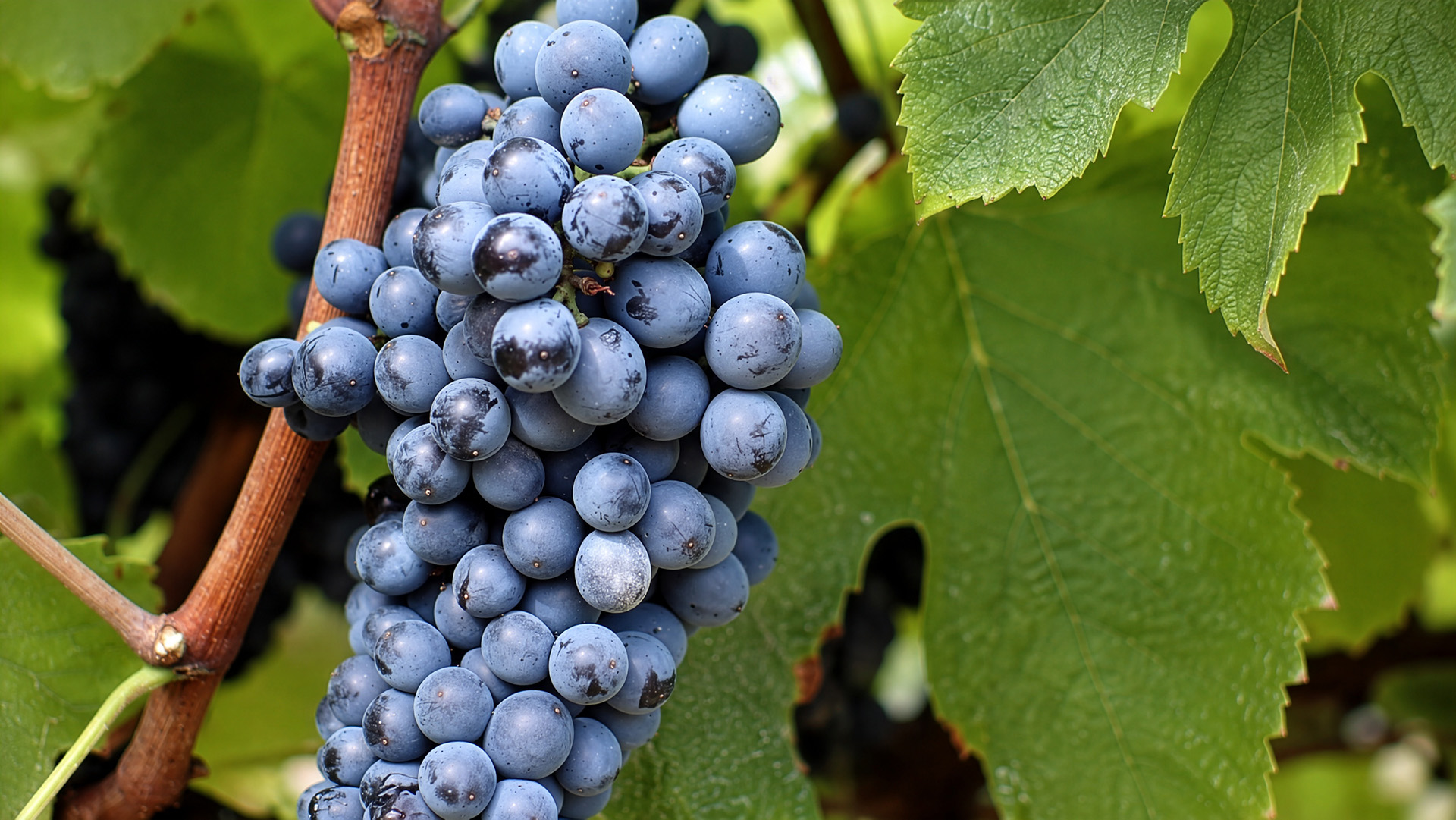
© Isidro de Pegões – Touriga Nacional is the predominant red wine grape variety used in production
Winegrowing is focused on precision and sustainability. Selective hand-harvesting, site-specific management, and gentle soil cultivation are the top priorities. Each vintage is deliberately viewed as a unique expression of its growing conditions, while consistency in style and continuous improvement in quality are equally pursued. Portugal is known worldwide for its diversity of wines and grape varieties, which delights wine enthusiasts from around the globe and makes the region a hotspot for explorers and lovers of rare finds. In this way, the winery combines tradition with a clear focus on the future and has successfully established itself within modern Portuguese viticulture.
Style and Winemaking
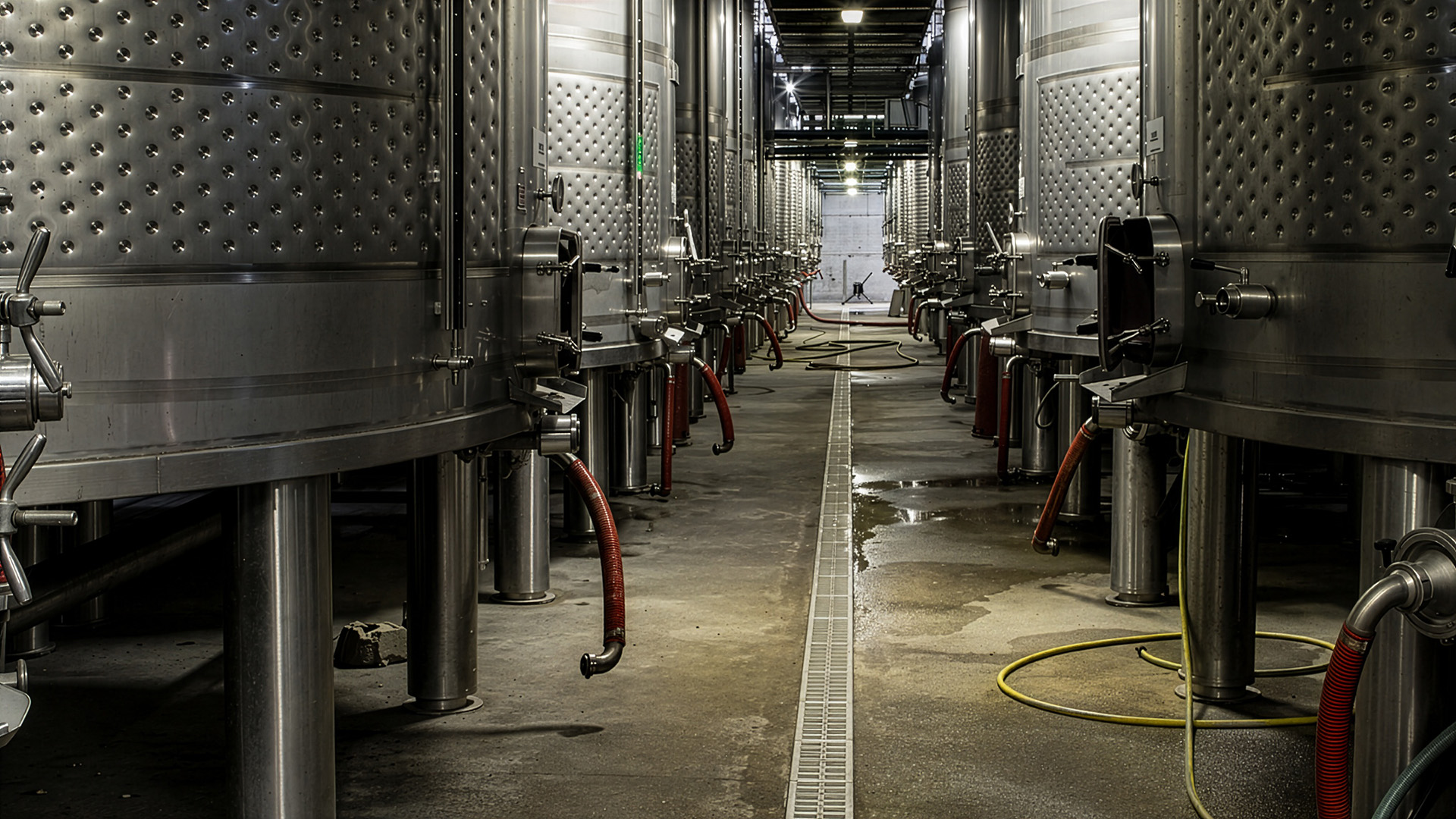
In the wine cellar, traditional methods are combined with modern technology. For certain wines, such as the Periquita, the grapes are traditionally crushed by foot to gently extract the skins and aromas. The wines are crafted with care to preserve fruit, structure, and balance. Oak plays a supporting role without dominating the style. The standard Adega de Pegões Tinto/Branco/Rosé line is characterized by fruit and freshness, and the wines often exhibit a mineral note.
Red wine features ripe fruit, subtle spices, and a harmonious finish. White wine impresses with its freshness, clarity, and clean aromas. Fortified wine from the region rounds out the portfolio as a specialty.
© Isidro de Pegões
DOC Palmela and Regional Identity
DOC Palmela is closely tied to the region and stands for wines full of character with a clear sense of origin. A high proportion of the Castelão grape variety significantly shapes the wines of DOC Palmela and is decisive for their style and classification. Isidro de Pegões plays a key role in raising the international profile of this appellation. The neighboring DOC Setúbal is particularly famous for its sweet, fortified Moscatel de Setúbal.
The wines reflect the conditions of the peninsula and showcase just how diverse Portugal can be. They combine everyday drinkability with sophistication.
Vintages, Aging, and Development
The vintages differ in subtle climatic nuances but remain true to the style. The wines are usually drinkable early on but develop additional depth as they age. Part of the production is intended for immediate enjoyment, while other wines improve over the years.
The balance between fruit and structure ensures consistent quality across many vintages. This is a defining characteristic of the winery.
Selected Wines from the Isidro de Pegões Winery
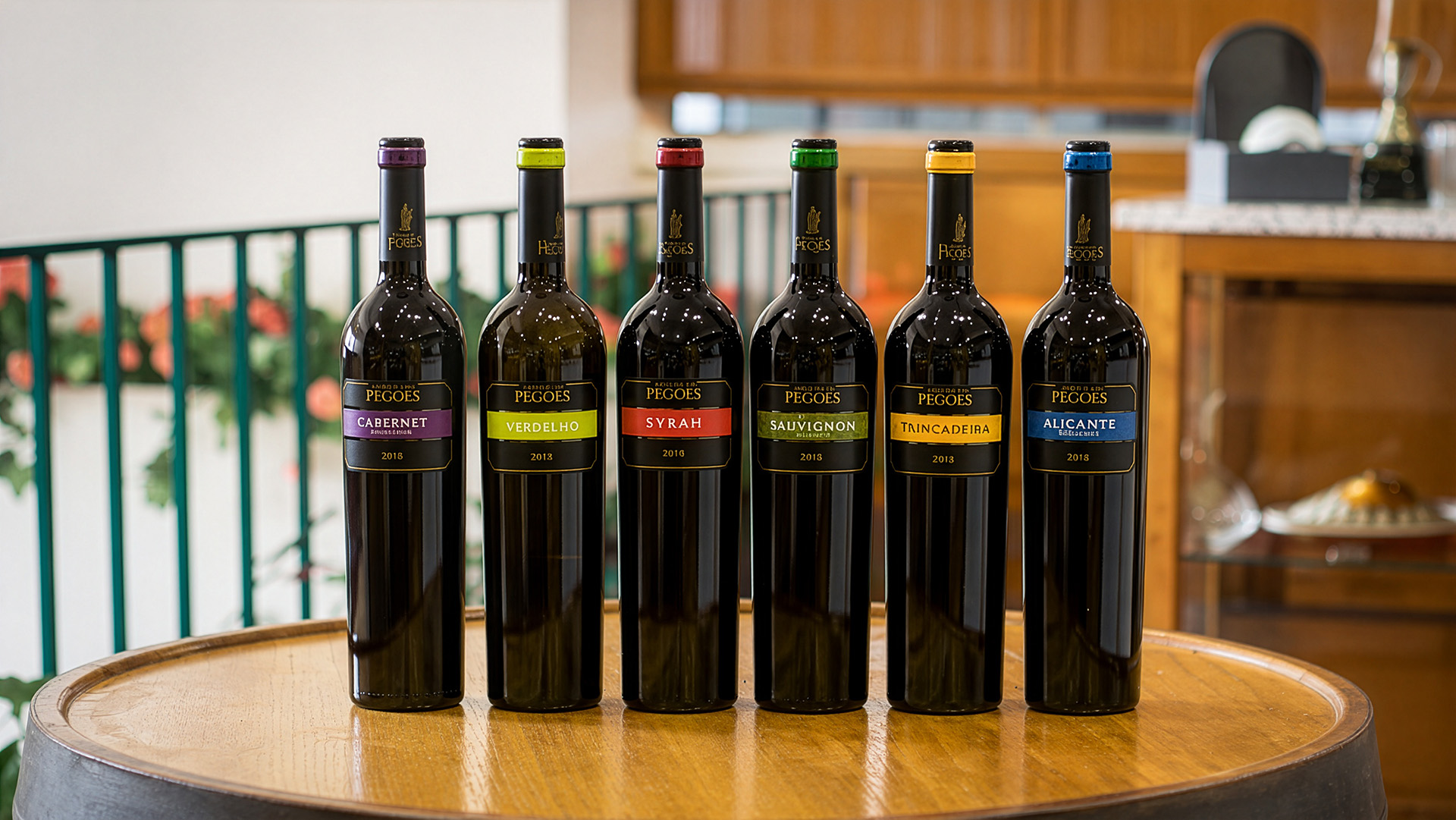
© Isidro de Pegões – Selected wines from this winery, which has won numerous international awards
Selected Harvest Red Adega de Pegões
This red wine features ripe fruit, subtle spices, and a well-balanced structure. On the palate, it is round, approachable, and harmonious.
Aragonez Adega de Pegões
Aragonez brings spice, depth, and elegance. The wine features distinct fruit, fine tannins, and a long finish.
Touriga Nacional Adega de Pegões
Touriga Nacional is synonymous with aromatic intensity. Notes of dark fruit and floral nuances characterize this wine.
Syrah Adega de Pegões
Syrah complements the lineup with spice, structure, and an international style, while retaining a distinctly Portuguese character.
Wine and Food: A Versatile Pairing
Thanks to their variety of grape varieties and styles, the wines from Adega de Pegões offer numerous possibilities for pairing with food. The Selected Harvest Red, with its ripe fruit, subtle spice notes, and rounded structure, pairs particularly well with braised beef, a juicy roast beef, or oven-roasted lamb. It also makes for an easy and harmonious pairing with hearty pasta dishes featuring meat sauce or Mediterranean oven-roasted vegetables.
Thanks to its spiciness and delicate tannins, the Aragonez pairs well with heartier dishes. Grilled beef, lamb chops, grilled pork, or hearty stews complement its character perfectly. Aged hard cheeses or a selection of Portuguese sausage and ham specialties also pair very well with it.
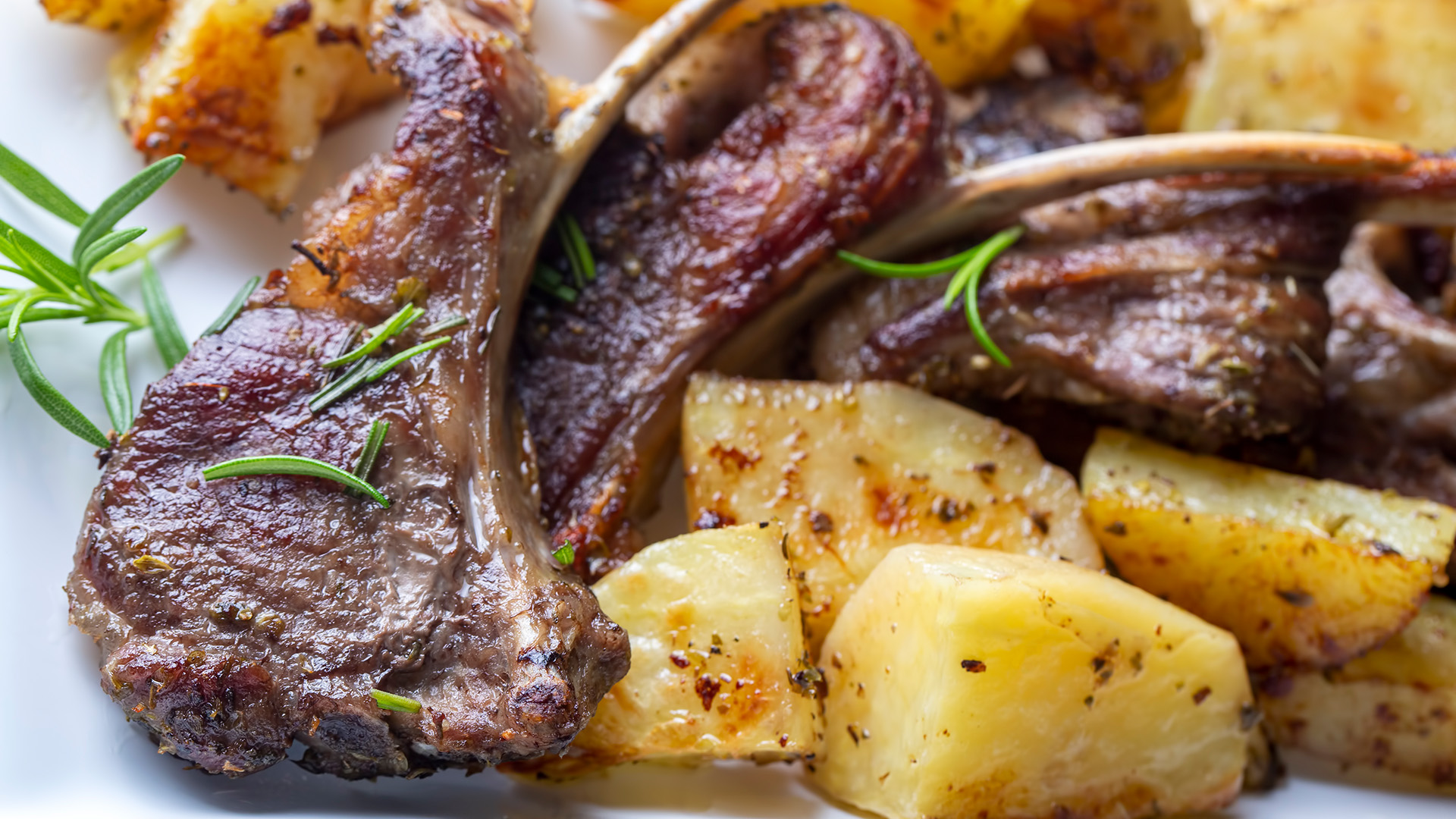
The intensely aromatic Touriga Nacional pairs well with heartier dishes. Its dark fruit and floral notes harmonize with game, braised lamb or beef, and slow-cooked meat dishes with rich sauces. Its structure also makes it an interesting pairing for aged cheeses.
Syrah really brings out its spiciness when paired with roasted flavors: entrecôte or grilled lamb, spicy meat skewers, and Mediterranean dishes with herbs like rosemary and thyme are ideal pairings. Adega de Pegões’ red wine selection demonstrates that there is a perfect wine to pair with a wide variety of dishes and cooking styles.
Frequently Asked Questions (FAQ) About the Isidro de Pegões Winery
Where is the Isidro de Pegões Winery located?
The winery is located near Montijo on the Setúbal Peninsula, south of Lisbon, Portugal.
Which grape variety is particularly important?
Castelão is the signature grape variety, complemented by other red and white varieties.
What styles of wine are produced?
Red wine, white wine, and fortified wine are among the winery’s specialties.
What foods do the wines pair well with?
The wines pair well with meat, fish, Mediterranean cuisine, cheese, and desserts.