
Bordeaux – a synonym for excellence in the wine world
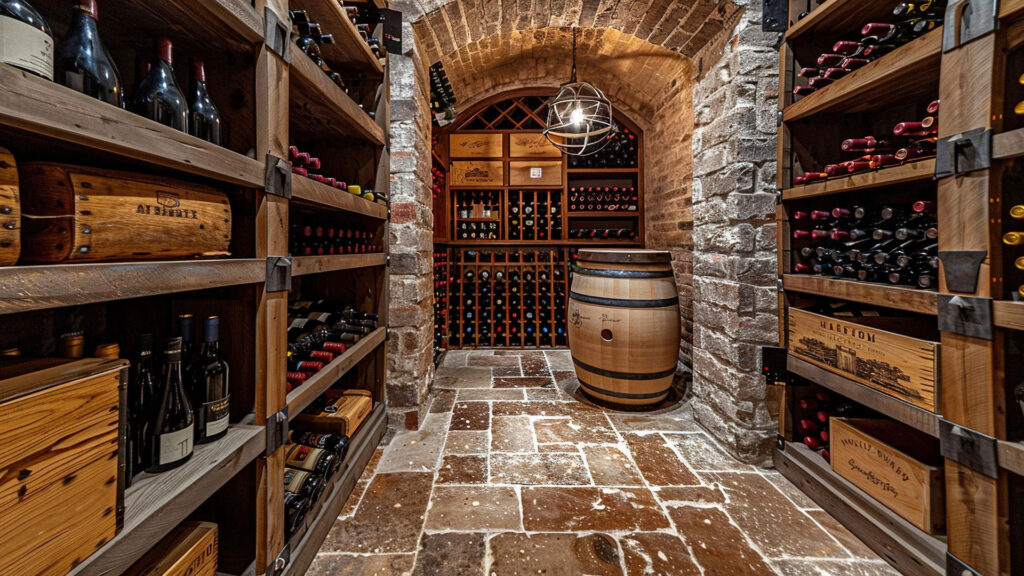
Bordeaux is known worldwide as one of the most important wine-growing regions and stands for quality, tradition and an exceptional variety of wines. Some of the most famous and sought-after wines in the world are produced in the Bordeaux region, which stretches around the city of Bordeaux in south-west France. Bordeaux wines cover a broad spectrum, from powerful red wines to elegant white wines and sweet dessert wines.
The history of Bordeaux wines
The beginnings of viticulture in Bordeaux
Viticulture in Bordeaux has a long history dating back to Roman times. The first vines were planted in the region as early as the 1st century AD. Over time, Bordeaux developed into an important trading center and viticulture played a central role in the region’s economy. Over the centuries, the term “Bordeaux wine” became synonymous with quality and excellence, and the wines from this region quickly gained recognition throughout the world.
The role of the trade in the rise of Bordeaux wines
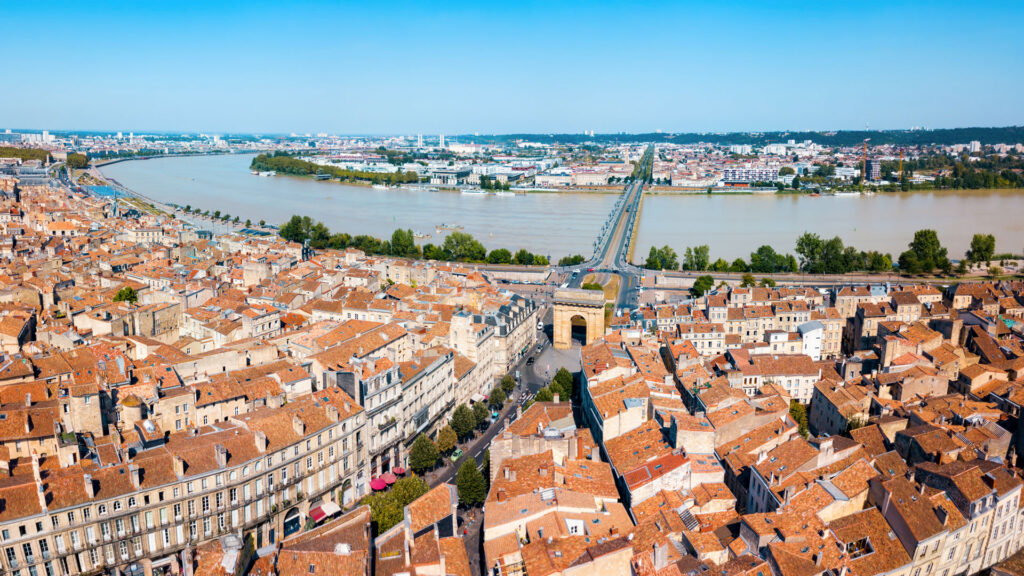
In the Middle Ages, Bordeaux was an important port that made it possible to export wine to all parts of Europe. The English in particular developed a fondness for Bordeaux wines, which led to the establishment of many trade connections. These trade relations contributed significantly to the spread and reputation of Bordeaux wines.
In the 17th and 18th centuries, the Bordeaux wine trade experienced a further boom. The establishment of châteaux and the development of appellations led to a diversification of wines and cemented the region’s reputation as one of the best wine-growing regions in the world.
The introduction of the 1855 classification system
A milestone in the history of Bordeaux wines was the introduction of the classification system in 1855. By order of Emperor Napoleon III, a list of the best wines of the Médoc and Sauternes was drawn up. This classification, which still applies today, divides the vineyards into different “crus” (growths), with the best wines being designated Premier Grand Cru Classé. Château Angélus and Château Cheval Blanc are two prominent examples of estates that have been included in this prestigious category.
The wine-growing regions of Bordeaux: a variety of terroirs and styles
Bordeaux is divided into several wine-growing regions, each of which produces its own characteristic wines. Due to its proximity to Bordeaux, the region is also known as Bordelais .
The Médoc: home of the great red wines
The Médoc, which stretches along the left bank of the Gironde, is one of the most famous wine-growing regions in Bordeaux. It is home to some of the most famous red wines in the world, mainly made from the Cabernet Sauvignon, Merlot and Cabernet Franc grape varieties. The wines from the Médoc are characterized by their deep red color, powerful tannins and excellent ageing potential.
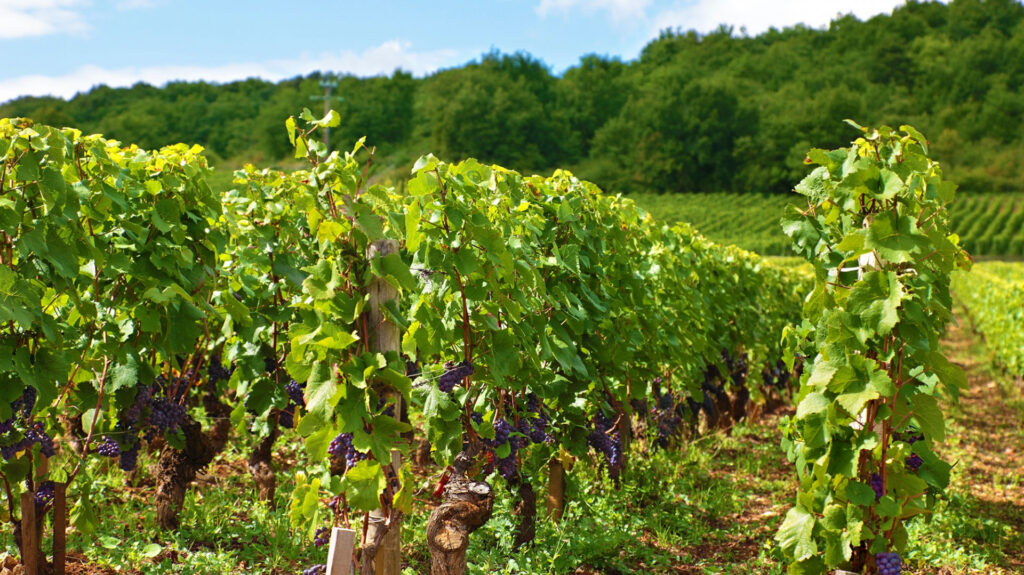
There are several renowned appellations within the Médoc, including St Estèphe, St Julien and Pauillac. These appellations produce wines that are considered the benchmark for Bordeaux wines. The wines from St Estèphe are known for their structure and longevity, while the wines from St Julien stand out for their elegance and balance.
Saint-Émilion and Pomerol: The heart of the right bank
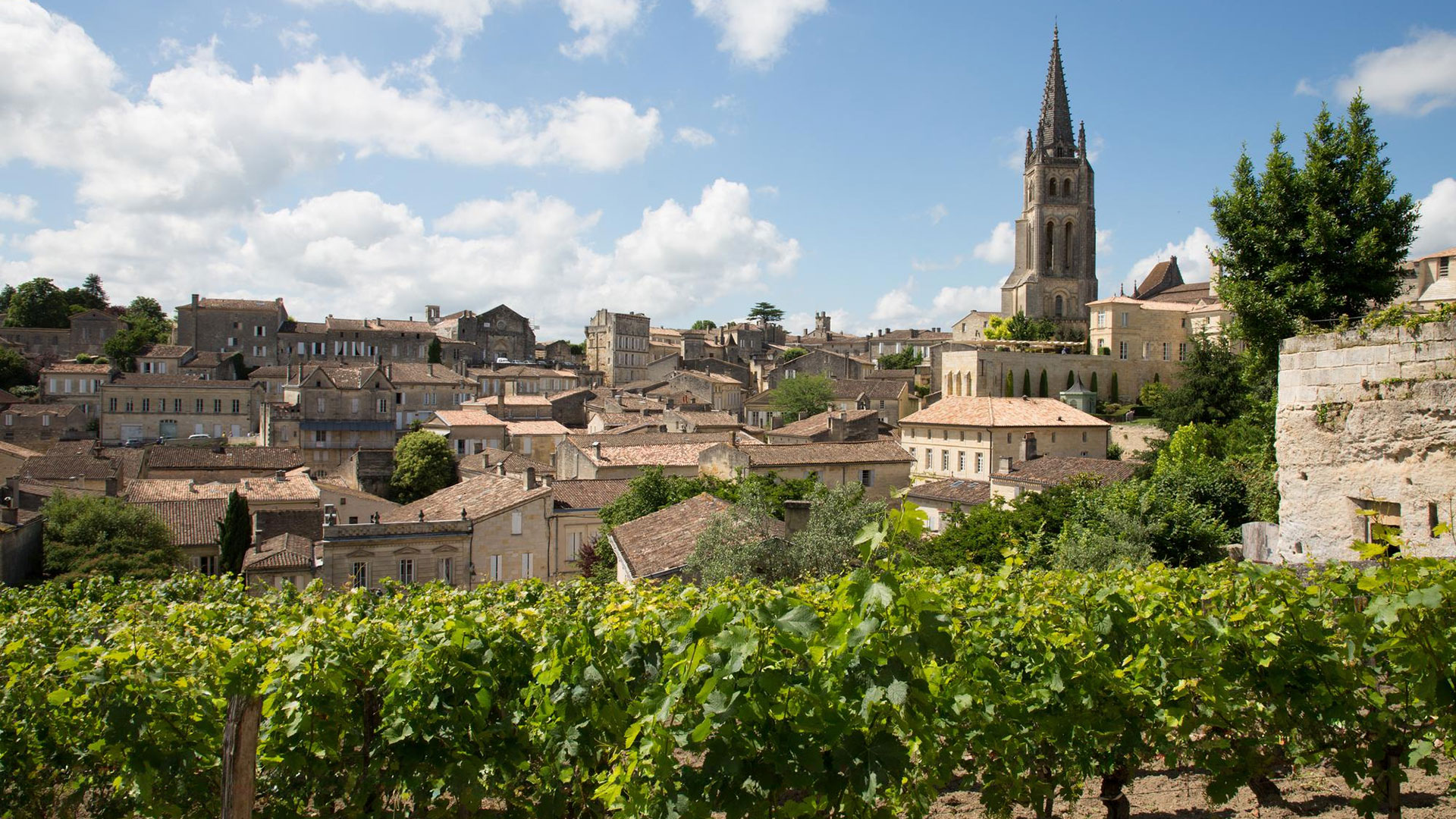
On the right bank of the Gironde are the Saint-Émilion and Pomerol wine-growing regions. These regions are best known for their fruity, full-bodied red wines, which are mainly made from Merlot and Cabernet Franc. Saint-Émilion is famous for its complex and elegant wines, which are often awarded 1er Grand Cru Classé status.
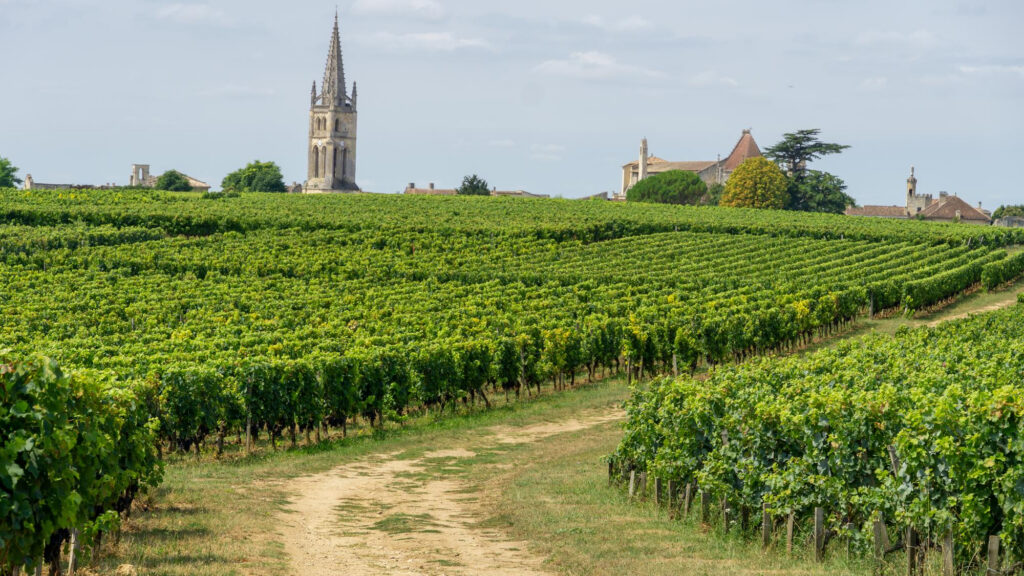
The Château Cheval Blanc vineyard is one of the best known in the Saint-Émilion region and produces some of the best Bordeaux wines in the world. Pomerol, although smaller and less well-known, also produces outstanding wines that often impress with their opulent fruit and soft tannins.
Pessac-Léognan and Graves: the cradle of Bordeaux white wines
Pessac-Léognan and Graves are the southernmost wine-growing regions in Bordeaux and are known for their variety of wines, both red and white. Pessac-Léognan produces some of the best Bordeaux white wines, made from the Sauvignon Blanc and Sémillon grape varieties. These white wines are characterized by their freshness, minerality and complexity.
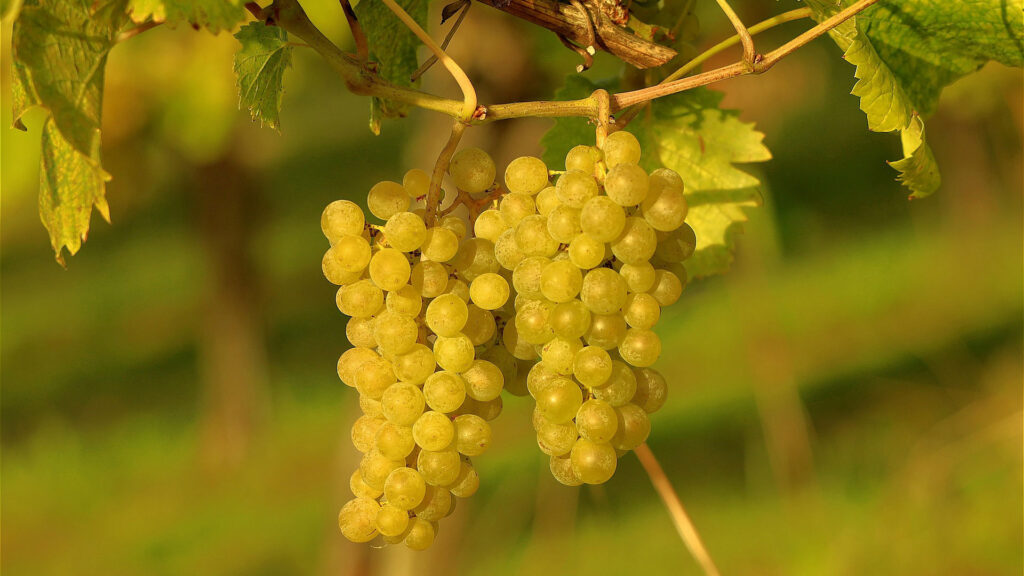
Graves, the region from which Pessac-Léognan emerged, is also known for its high-quality white wines, but also produces excellent red wines. The soils in these areas are particularly gravelly, which gives the wines a special structure and finesse.
Sauternes: the home of noble sweet wines
Sauternes, located in the southern part of Bordeaux, is world-famous for its noble sweet white wines. These wines are made from the Sémillon, Sauvignon Blanc and Muscadelle grape varieties and get their sweetness from noble rot (Botrytis cinerea). The wines from Sauternes are rich in aromas of honey, apricots and exotic fruits and have enormous ageing potential. Château d’Yquem is the most famous winery in this appellation and produces some of the most expensive and sought-after wines in the world.
Entre-Deux-Mers: A paradise for Bordeaux white wines
Between the Dordogne and Garonne rivers lies the Entre-Deux-Mers wine-growing region, which is particularly known for its fresh and lively white wines. These wines, which are mainly made from Sauvignon Blanc, Sémillon and Muscadelle, are characterized by their freshness, aromatic intensity and accessibility. Entre-Deux-Mers is also the largest wine-growing region in Bordeaux and produces a variety of wines that are ideal for everyday drinking.
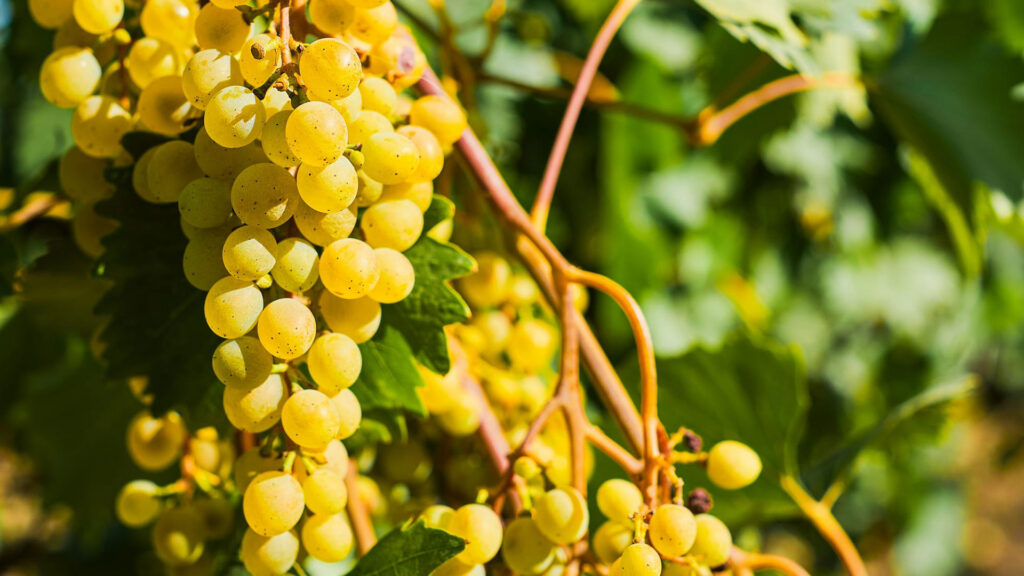
Bordeaux grape varieties: an interplay of diversity and tradition
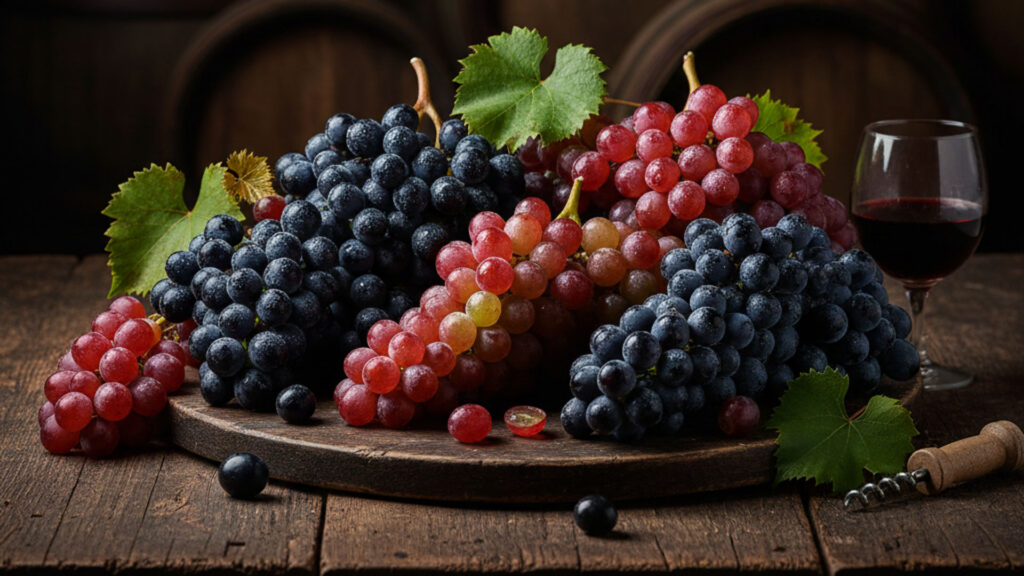
Bordeaux is famous for its diverse grape varieties, which are cultivated in the region’s various wine-growing areas. The main grape varieties used in Bordeaux are Cabernet Sauvignon, Merlot, Cabernet Franc, Petit Verdot and Sauvignon Blanc. Each of these grape varieties brings its own characteristic aromas and properties to the wines.
Cabernet Sauvignon: The queen of Bordeaux red wines
Cabernet Sauvignon is the most important grape variety in the Médoc and in many other wine-growing regions in Bordeaux. This grape variety gives the wines a deep color, strong tannins and excellent ageing potential. Wines made from Cabernet Sauvignon are known for their aromas of blackcurrants, tobacco and cedar wood. They often require several years of ageing to develop their full complexity.
Merlot: The gentle partner
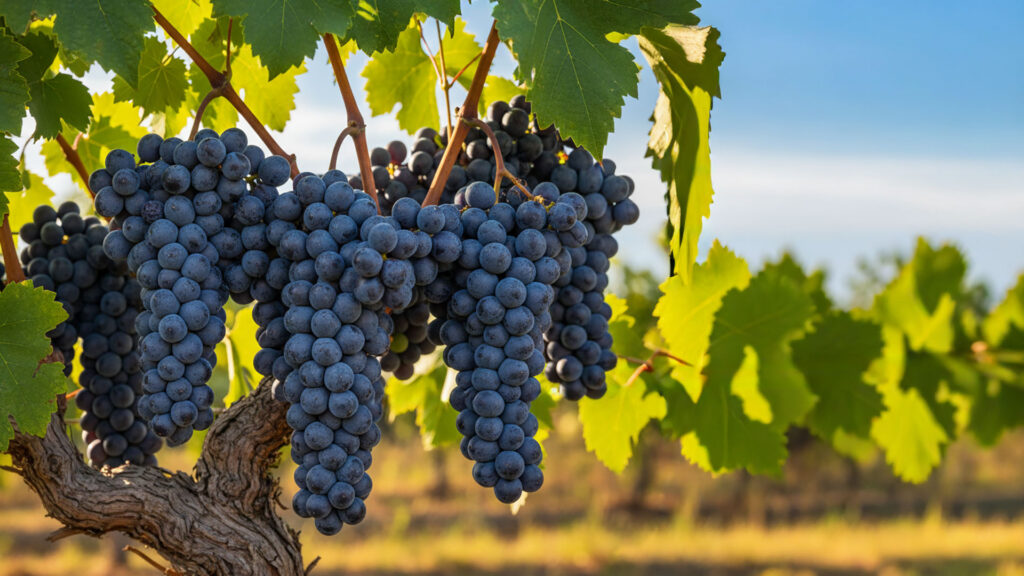
Merlot is the most widely cultivated grape variety in Bordeaux and plays a central role in the wines of the Right Bank, particularly in Saint-Émilion and Pomerol. Merlot brings softness, fruitiness and a rich texture to wines. Aromas of plums, cherries and chocolate are typical of Merlot wines. In cuvées, Merlot complements the often tannic Cabernet Sauvignon and makes the wines more accessible and rounder.
Cabernet Franc: The aromatic accent
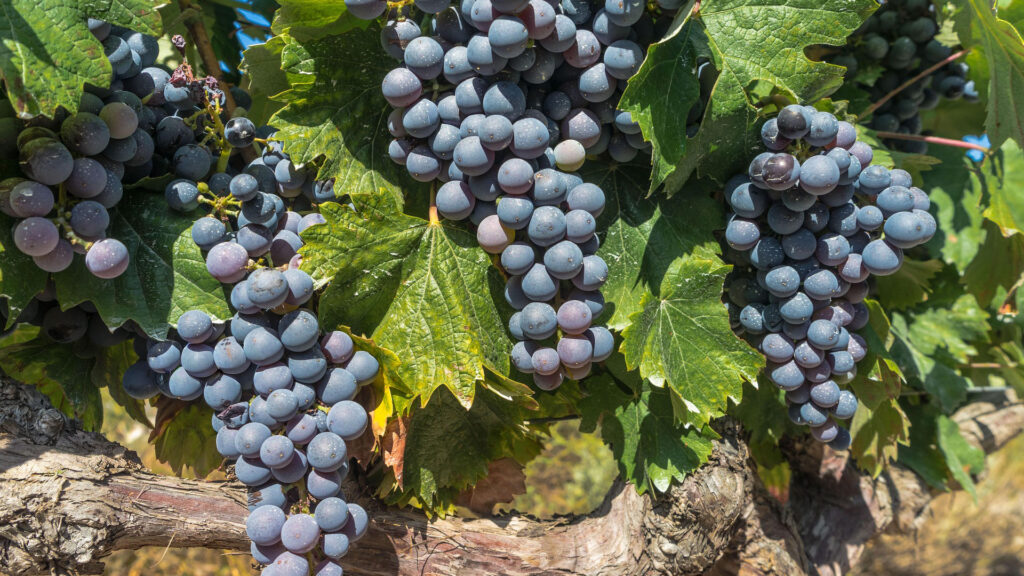
Cabernet Franc is an important grape variety in Bordeaux, particularly in Saint-Émilion, where it is often used together with Merlot. This grape variety gives the wines aromas of red fruits, herbs and sometimes a subtle hint of paprika. Cabernet Franc brings elegance and complexity to the cuvées and contributes to the structure and longevity of the wines.
Petit Verdot: the rare spice
Petit Verdot is a less common grape variety in Bordeaux, but it is used in small quantities in cuvées to give the wines additional color, structure and spicy aromas. Wines containing Petit Verdot often have a deep color and aromas of spices, violets and dark fruits. This grape variety is mainly grown in the Médoc and plays a complementary role in Bordeaux cuvées.
Sauvignon Blanc: The freshness of white wines
Sauvignon Blanc is the most important white grape variety in Bordeaux and forms the basis for many of the region’s best white wines. This grape variety is known for its fresh, lively aromas of citrus fruit, green apple and gooseberry as well as its crisp acidity. Sauvignon Blanc is often blended with Sémillon to produce complex and long-lasting white wines that can be enjoyed both young and matured.
The Bordeaux Cuvée: the work of art of blends
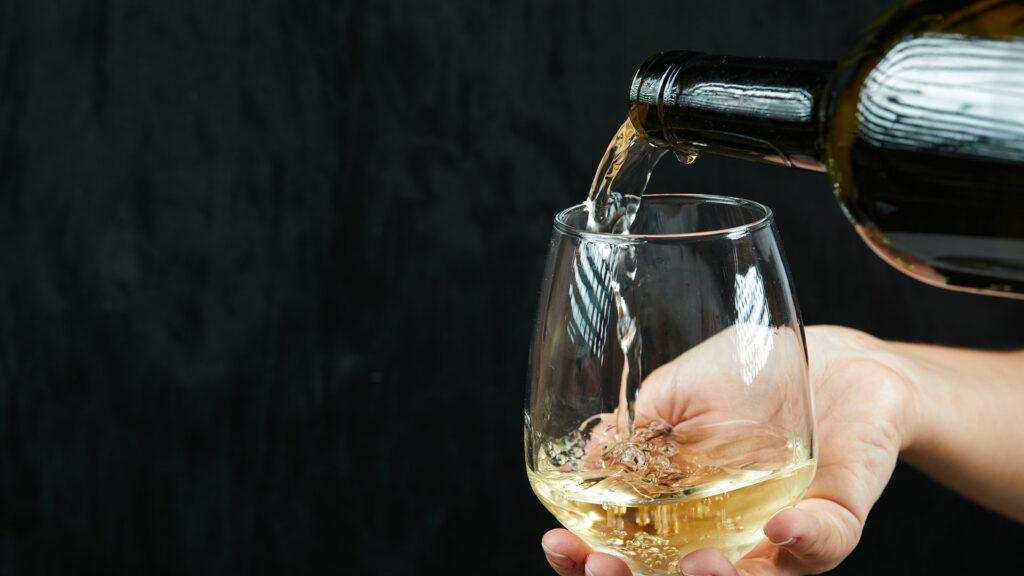
One of the most remarkable characteristics of Bordeaux wines is the tradition of blending (cuvée). Unlike many other wine regions where wines are made from a single grape variety, it is common in Bordeaux to combine several grape varieties into one wine. This practice enables winegrowers to produce wines with greater complexity, balance and consistency.
The art of blending wine
Blending grape varieties requires a deep understanding of the characteristics of each variety as well as the soils and climate in the different growing regions. As a rule, Cabernet Sauvignon, Merlot, Cabernet Franc and sometimes Petit Verdot are used together to produce Bordeaux red wines. The exact composition of the cuvée varies depending on the appellation, vintage and style of the winemaker.
The ability to get the best out of each grape variety and combine them harmoniously is one of the great strengths of Bordeaux wines. The resulting wines are characterized by their complexity, finesse and longevity.
The role of the vintages
Another important aspect of Bordeaux wines is the significance of the vintages. The climate in Bordeaux can vary greatly from year to year, which can lead to significant differences in the quality of the wines. In good vintages, when the weather is ideal, the vineyards produce exceptional grapes, resulting in wines of outstanding quality. However, in less favorable vintages, the skill of the winemakers can be crucial in producing excellent wines.
The importance of appellations in Bordeaux
In Bordeaux, the appellation system plays a central role in the classification and marketing of wines. The region is divided into a large number of appellations, each of which has its own rules and regulations. These appellations guarantee the origin and quality of the wines and help consumers to understand the diversity of Bordeaux wines.
The great appellations of the Médoc
The Médoc is divided into several famous appellations, including Pauillac, Margaux, St Estèphe and St Julien. These appellations are known for their red wines, which are made from the classic Bordeaux grape varieties. The wines from Pauillac are known for their power and structure, while Margaux is prized for its elegance and finesse.
Saint-Émilion and its classification
Saint-Émilion is one of the few appellations in Bordeaux to have its own classification system. The wines from Saint-Émilion are re-evaluated every ten years and divided into different classes, with the highest distinction being the Premier Grand Cru Classé. This classification is a sign of outstanding quality and highlights the best wine estates in the appellation.
Pessac-Léognan: an appellation with diversity
Pessac-Léognan is a relatively young appellation, but it has quickly gained in importance. It is known for its high-quality red and white wines and includes some of the best vineyards in Bordeaux. The wines from Pessac-Léognan are characterized by their complexity, aromatic intensity and longevity.
Sauternes: The queen of sweet wines
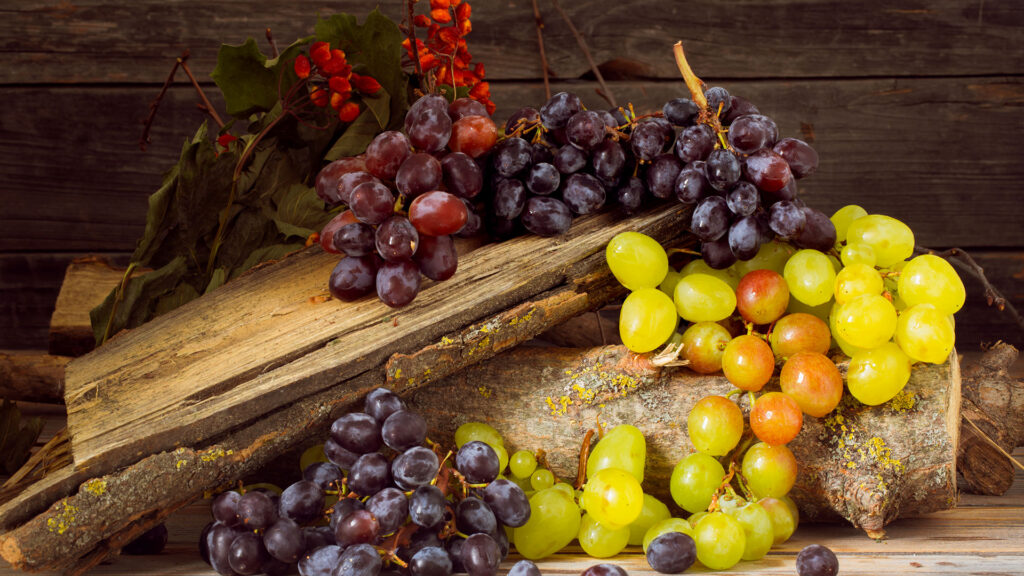
The Sauternes appellation is world-famous for its noble sweet white wines, which are among the best dessert wines in the world. These wines are produced by the action of noble rot, which shrinks the grapes and concentrates the sugar content. The wines from Sauternes have a golden color and offer aromas of honey, dried fruit and exotic spices. They are known for their exceptional ageing potential and can mature for decades.
The role of terroir in Bordeaux
The terroir, i.e. the combination of soil, climate and other natural factors, plays a decisive role in the production of Bordeaux wines. The Bordeaux region has a unique variety of terroirs, which enables winegrowers to produce wines with different characters and styles.
The floors of Bordeaux
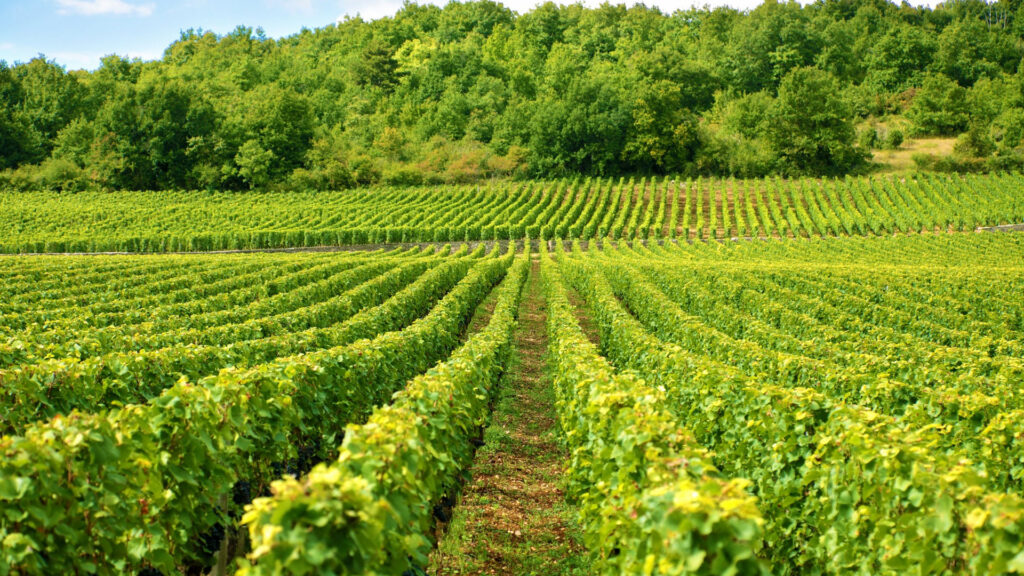
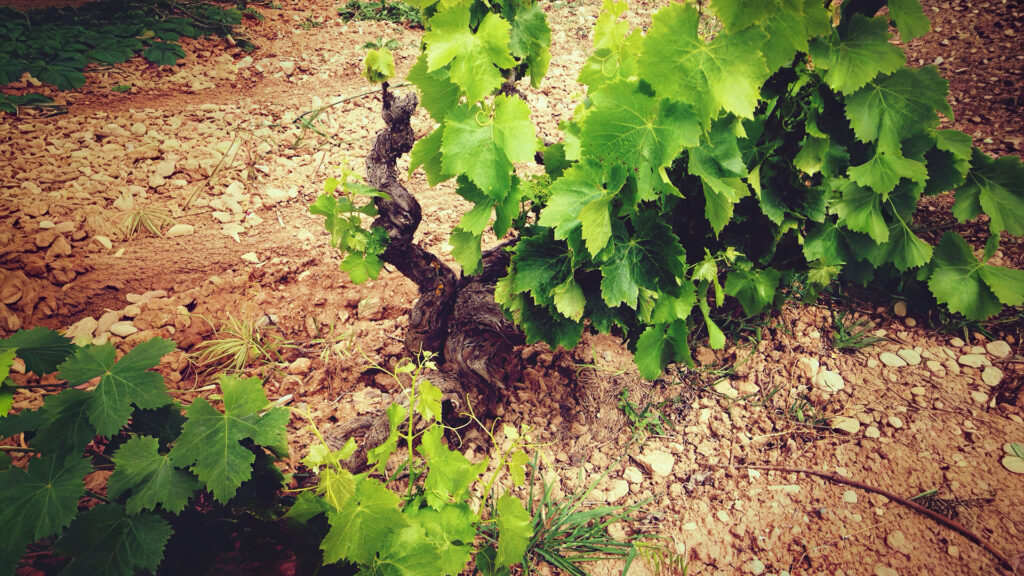
The soils in Bordeaux are very diverse and range from gravelly, well-drained soils in the Médoc to chalky soils in Saint-Émilion and clayey soils in Pomerol. These different soils influence the ripening of the grapes and the development of the aromas in the wine. Gravel soils are ideal for growing Cabernet Sauvignon, as they provide good drainage and allow the vines to root deeply. Limestone and clay soils, on the other hand, are better suited to Merlot, as they regulate the water supply to the vines and give the wines more fruitiness and fullness.
The climate of Bordeaux
The climate in Bordeaux is temperate and is strongly influenced by its proximity to the Atlantic Ocean. Summers are warm, but not too hot, and winters are mild. The regular rainfall and humid air contribute to the health of the vineyards and promote the growth of the vines. However, the climate in Bordeaux is also susceptible to weather extremes, such as late frosts or heavy rainfall, which can affect the quality of the grapes and therefore the wines.
The importance of the microclimate
In addition to the general climatic conditions, the microclimates within the individual wine-growing regions also play an important role. These microclimates are influenced by the altitude, the orientation of the vineyards and the proximity to rivers or forests. These factors can create subtle differences in the wine and contribute to the complexity and diversity of Bordeaux wines.
The ageing and maturation of Bordeaux wines
The ageing and maturation of the wines are crucial processes that contribute significantly to the quality and character of Bordeaux wines. Traditionally, Bordeaux wines are matured in oak barrels, which give the wine structure, complexity and additional aromas.
Ageing in barriques
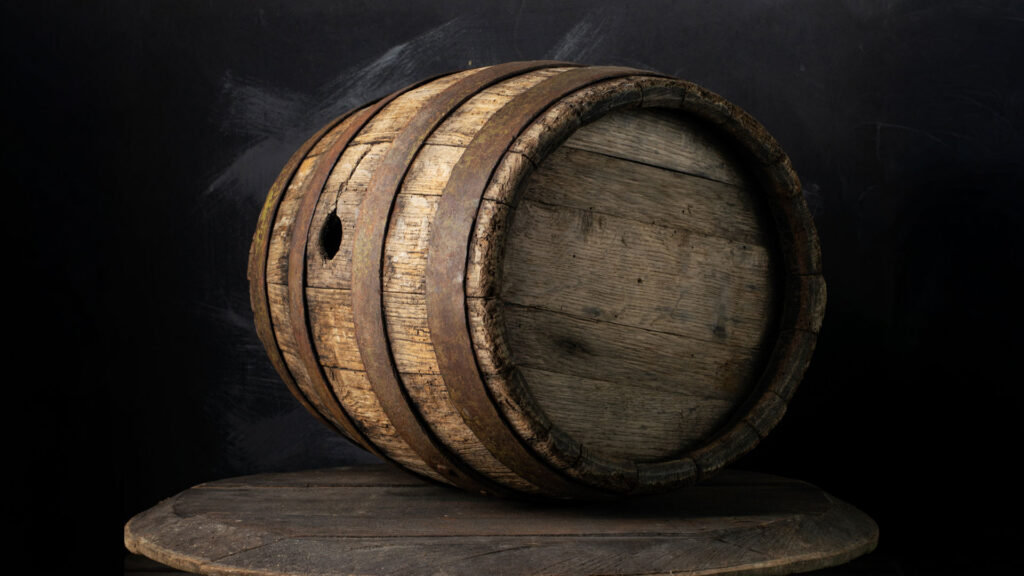
The barrique, a small oak barrel with a capacity of around 225 liters, is the standard vessel for ageing Bordeaux wines. Ageing in barriques allows the wine to oxidize slowly, which leads to the maturation of the tannins and the development of complex aromas. Depending on the desired style and grape variety, the duration of ageing in barriques varies between 12 and 24 months.
The oak from which the barrels are made usually comes from France, but sometimes also from other European countries. The wood can be lightly or heavily toasted, which gives the wines different aromas of vanilla, smoke and spices.
Maturation in the bottle
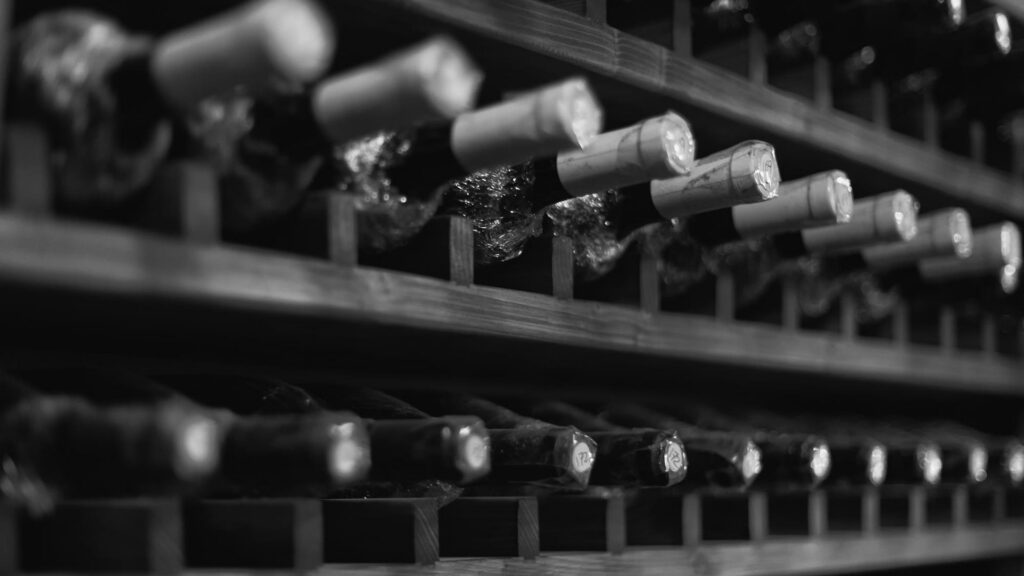
After ageing in barriques, the wines are bottled, where they can continue to mature. Bordeaux wines have great ageing potential and can be stored for many years. During bottle ageing, the wines develop additional aromas and greater harmony, making them a delight for connoisseurs and collectors.
The importance of Bordeaux wines in the international wine world
Bordeaux wines enjoy an excellent reputation worldwide and are among the most appreciated and sought-after wines in the world. They are synonymous with quality, tradition and elegance and are highly prized by wine lovers all over the world.
Bordeaux wines as a reference in the wine world
Due to their outstanding quality and their great influence on viticulture worldwide, Bordeaux wines are considered a reference for many other wine regions. Many winemakers around the world try to emulate the style and traditions of Bordeaux wines by using similar grape varieties and winemaking techniques. The diversity and emotional associations associated with Bordeaux wines make them particularly attractive.
The Bordeaux wine trade
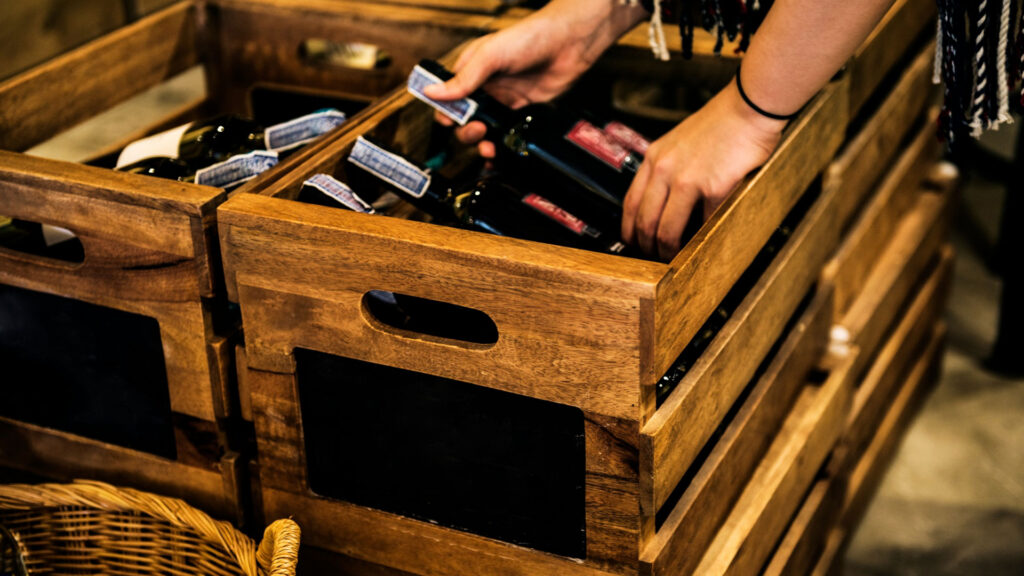
The wine trade plays a central role in the marketing and distribution of Bordeaux wines. Bordeaux is the center of one of the largest wine trading markets in the world, and many of the prestigious estates sell their wines through specialist merchants and auction houses. The Bordeaux wine trade has also helped to spread the region’s reputation worldwide and put the wines on the shelves of wine merchants and restaurants around the world.
Bordeaux wines as an investment
Bordeaux wines are not only a luxury food, but also a coveted form of investment. The wines of the best châteaux, especially the Premier Grand Cru Classé wines, are coveted collector’s items that fetch high prices at auctions and in private collections. However, investing in Bordeaux wines requires expertise and patience, as the value of a wine depends on many factors, including the vintage, storage conditions and market demand.