

Fitapreta Vinhos – a creative success story
Fitapreta Vinhos is the result of an extraordinary collaboration between two personalities. António Maçanita and David Booth combine their talents, experience and love of viticulture to create a clearly positioned brand. The story of Fitapreta begins with the desire to create wines that reinterpret the Alentejo and at the same time are deeply rooted in the region.
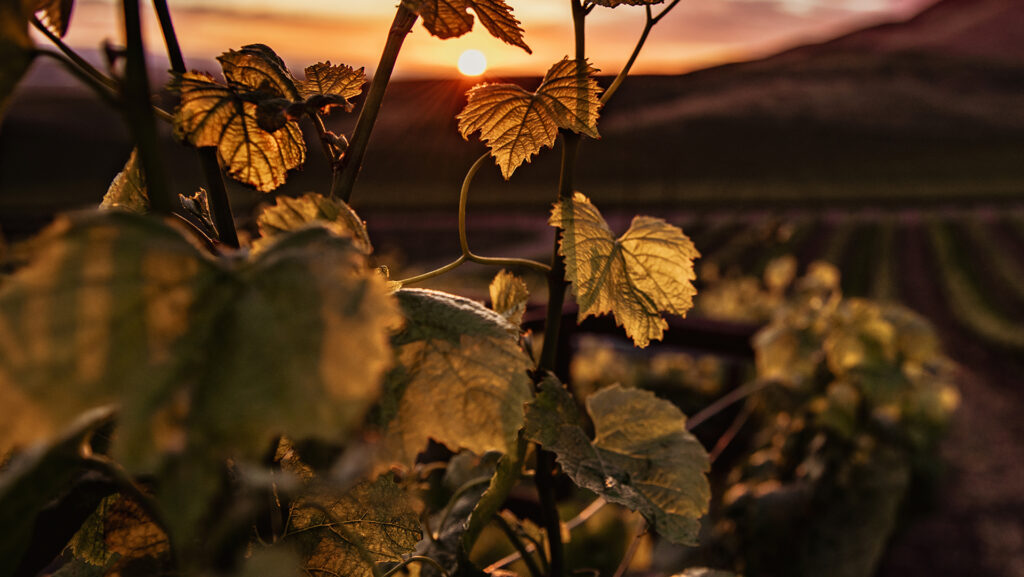
The winery is located in the south of Portugal near São Paulo and Serra d’Ossa, in a landscape characterized by vastness, heat and barren soils. These conditions demand precision in grape cultivation and a deep understanding of ripeness, acidity and freshness. Fitapreta Vinhos uses these conditions to produce wines with concentration, clarity and expression.
Winemakers, talents and philosophy
António Maçanita, often referred to as Antonio Macanita, is considered one of Portugal’s most influential winemakers. His experience stretches from the Azores to the Alentejo and has had a decisive influence on winemaking at Fitapreta. David Booth brings strategic thinking, an understanding of design and an international perspective, ensuring that the presentation and label are as carefully designed as the contents of the bottle.
The philosophy is based on detail, commitment and respect for the terroir. Each parcel is considered individually, the grapes are carefully sorted and processed in small batches. The processing procedures do not follow any dogma, but rather the character of the vintage and the grape varieties.
Grape varieties, viticulture and region
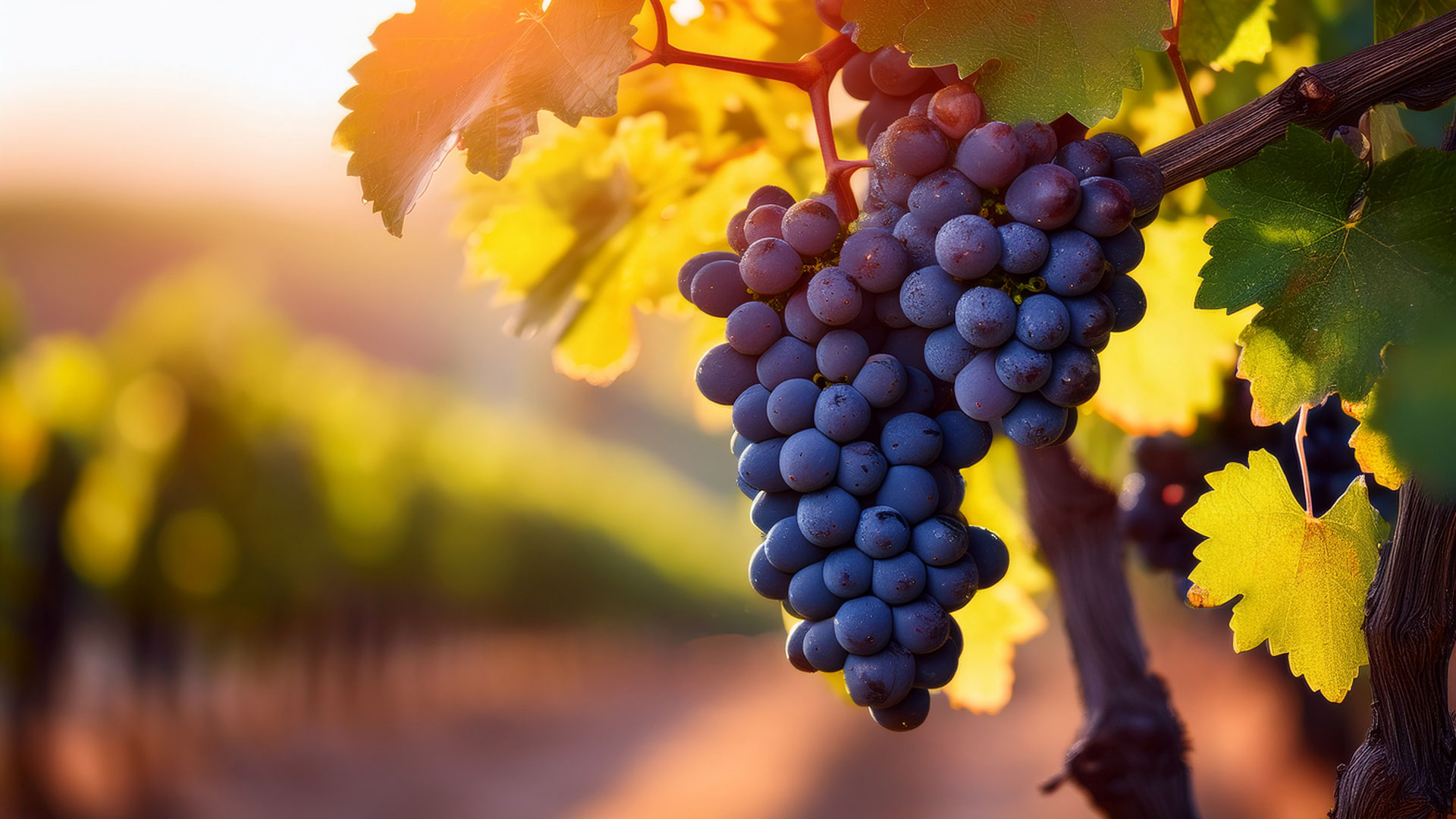
Viticulture at Fitapreta focuses on indigenous and proven varieties of the Alentejo. Alicante Bouschet forms the backbone of many red wine styles and brings color, structure and depth. Trincadeira provides spice, freshness and tension, while Tempranillo, often given a different name locally, contributes elegance and fruit.
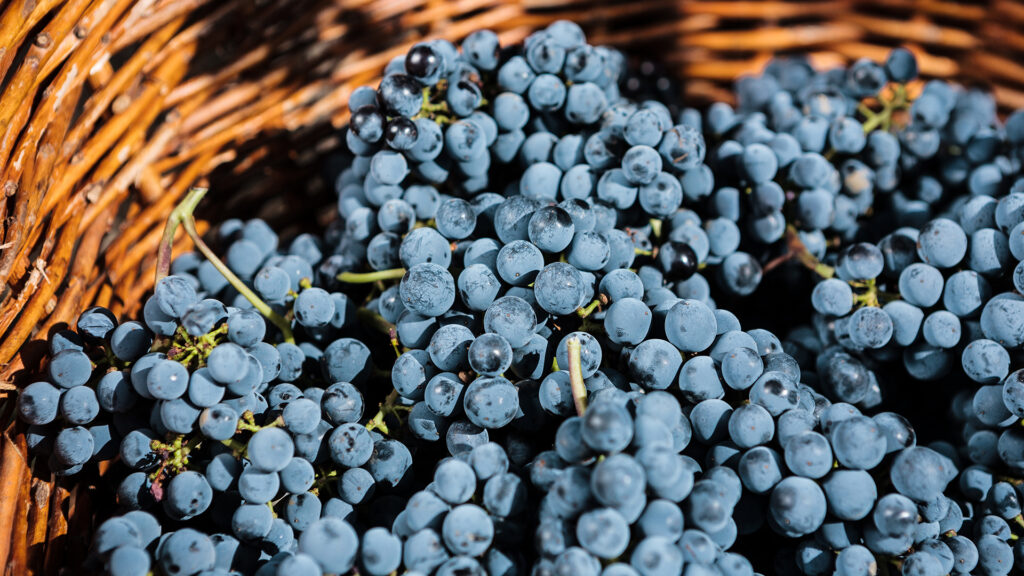
The spectrum is complemented by Touriga Nacional and Castelão, which increase aromatic diversity and complexity. The grapes grow under extreme conditions, which favors low yields but high quality. Ripeness is precisely controlled to keep fruit and acidity in balance.
Winemaking between tradition and modernity
In winemaking, Fitapreta Vinhos combines artisanal methods with modern technology. Depending on the type of wine, ageing takes place in neutral containers or wood, always with a focus on clarity and freshness. The aim is not to mask aromas, notes and hints, but to bring them out.

On the nose, the wines often show cherries, cassis, forest fruits, pepper and spices. On the palate, they are precise, with lively acidity, fine ripeness and a long finish. This style makes the wines accessible and sophisticated at the same time.
Selected wines from the Fitapreta Vinhos winery
Carta Tinto Vinho Regional Alentejo
Carta Tinto is a classic example of Fitapreta’s signature style. The red wine combines fruit, freshness and structure in a balanced form. Aromas of cherries, blackcurrants and forest fruits meet fine notes of pepper and an elegant spiciness. On the palate, the wine is juicy, with clear acidity, moderate concentration and harmonious maturity.
Wines and food pairing – an enjoyable combination
The wines from Fitapreta Vinhos are versatile food companions. Red wine from Alicante Bouschet and Trincadeira is an excellent accompaniment to grilled meat, lamb, game or dishes with Mediterranean spices. The fruit carries roasted aromas, while the acidity retains freshness.
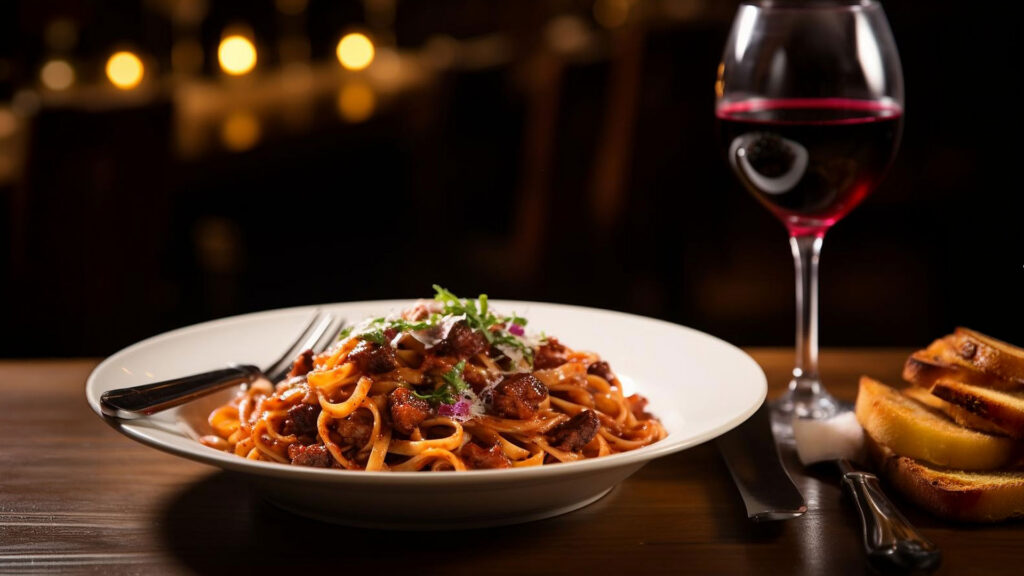
Carta Tinto also accompanies pasta with tomatoes, mushroom dishes or hearty cuisine from Portugal. The balance between freshness and structure ensures that the wine complements dishes without dominating them. Even when tasted without food, the style impresses with its clarity and character.
Frequently asked questions (FAQ) about the Fitapreta Vinhos winery
Where is Fitapreta Vinhos located?
The winery is located in the Alentejo in the south of Portugal, near São Paulo and Serra d’Ossa.
Who is behind Fitapreta Vinhos?
António Maçanita and David Booth are the masterminds behind the winery.
Which grape varieties are used?
Alicante Bouschet, Trincadeira, Tempranillo, Touriga Nacional and Castelão characterize the wines.
What is the style of the wines?
The wines show fruit, freshness, precise acidity and a clear regional character.