

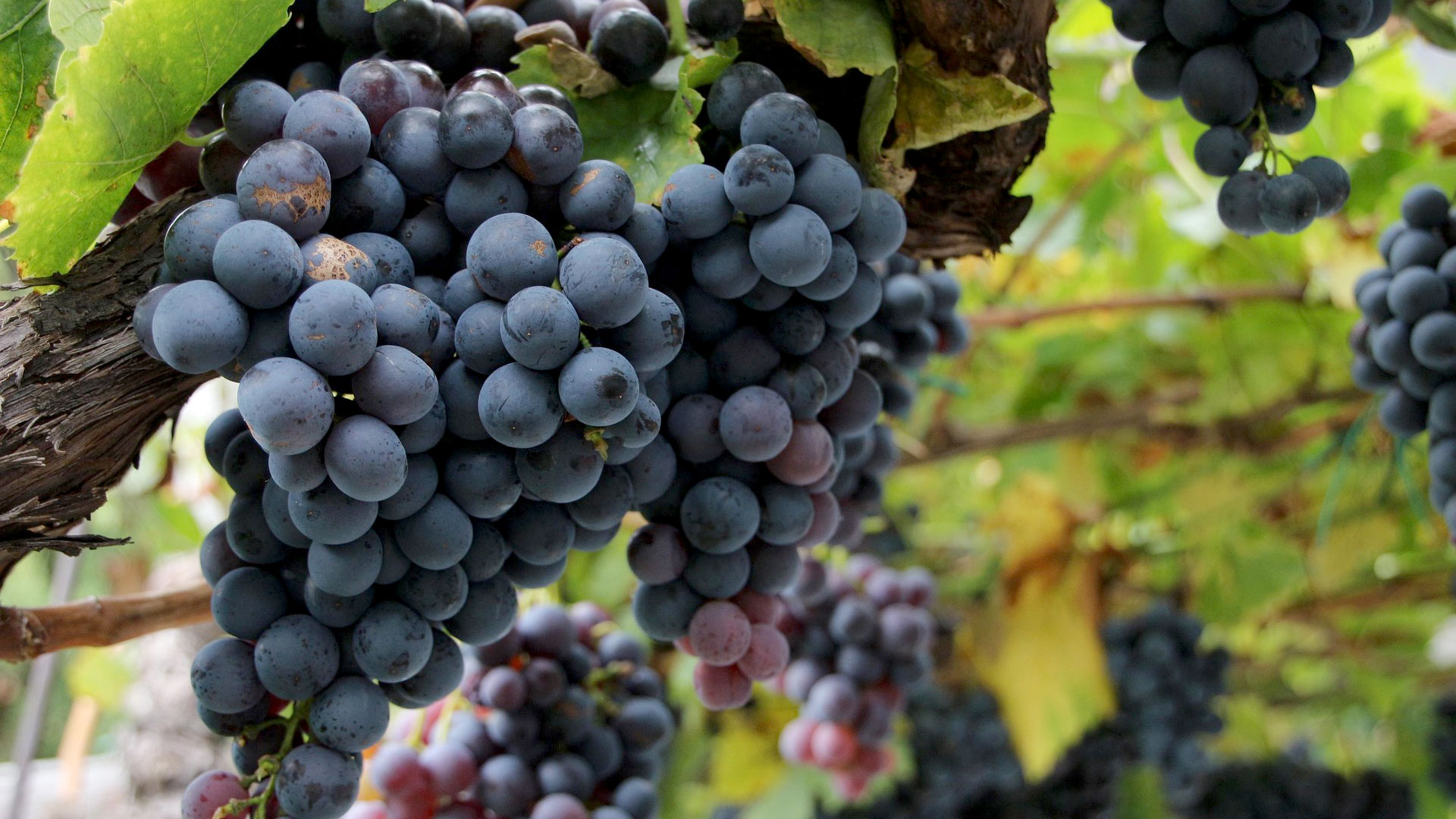
The specialty of Swiss red wines
Swiss red wines are a reflection of the country’s diversity – small in terms of acreage, but great in terms of quality. The country produces less than one percent of the world’s wines, but its wines are among the finest in Europe. Between alpine slopes, mild lake shores and Mediterranean-influenced valleys, wines are produced that impress with their elegance, precision and regional identity. The spectrum of styles and aromas ranges from fruity Pinot Noir to deep Cornalin, including red wines with a characteristic cherry-red color that make the craft of winemaking in Switzerland a unique cultural asset.
The variety of aromas in Swiss red wines ranges from red berries to cherry and subtle spicy notes. The content of these wines is characterized by a balanced composition of fruit aromas, subtle spice nuances and a clear, regional characteristic that gives each wine a distinctive taste profile.
Swiss wine regions and their diversity
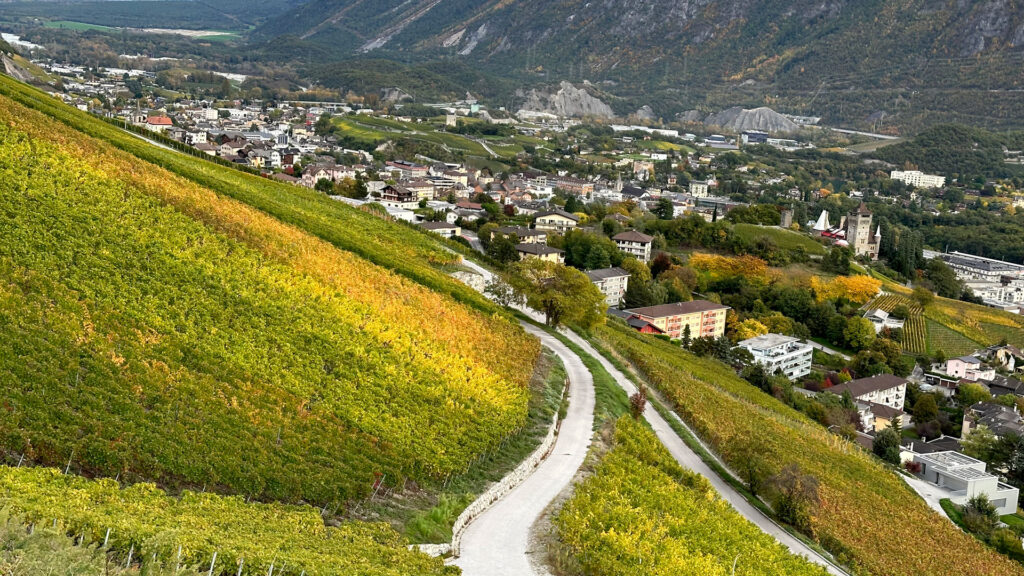
Switzerland’s wine regions are as diverse as their landscapes. In Valais, the country’s largest wine-growing region, the vines grow on steep terraces along the Rhône. Vaud offers mild conditions along Lake Geneva, while Ticino has an almost Italian feel with its warm climate. The Bündner Herrschaft region produces elegant Pinot Noir wines that are internationally acclaimed. Zurich, Schaffhausen, Neuchâtel and eastern Switzerland also produce with passion. One example of a renowned winery from the Neuchâtel region is Château d’Auvernier, which is known for its high-quality Swiss red wines. Each region produces its own character – from the mineral Pinot Noir to the spicy Merlot from the south.
Small cultivation area, great importance
Switzerland’s vineyard area is small by international standards, but its importance for quality and craftsmanship is enormous. Red wines account for around 60 percent of production. The diversity of grape varieties – from Pinot to Syrah to Gamaret – is impressive. Thanks to the different climatic zones and altitudes, wines with regional expression and high precision are produced. Each canton has its own style: from the cherry-red, finely spiced Pinot Noir from the Bündner Herrschaft to the powerful Merlot from Ticino or the deep, dark Humagne Rouge from Valais.
Despite the small area under cultivation, Swiss red wines are appreciated all over the world for their quality and uniqueness.
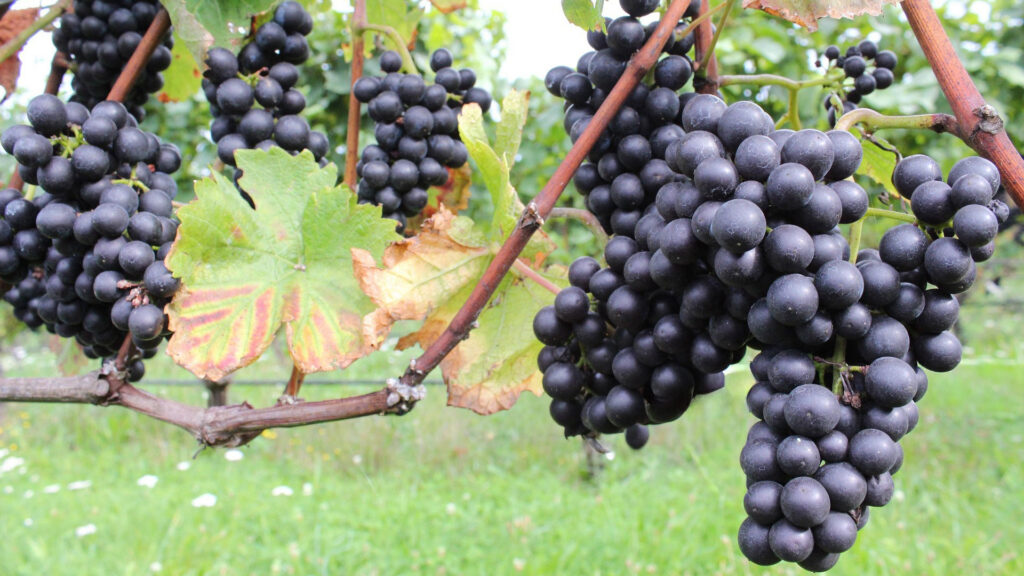
The most important red Swiss grape varieties at a glance
Pinot Noir – the heart of Swiss red wines
Pinot Noir, also known as Blauburgunder, is the most important grape variety for Swiss red wines. Around a third of the entire vineyard area is planted with this grape. In regions such as Graubünden, Bündner Herrschaft and Vaud, the Pinot develops its fine aromas of red berries, cherries and delicate herbs. Swiss winegrowers have managed to give Pinot Noir an unmistakable signature – less opulent than overseas, but with outstanding precision, noble finesse and clear fruit. Wines of impressive depth and elegance can be found particularly in the canton of Valais, but also in Graubünden and around Schaffhausen.
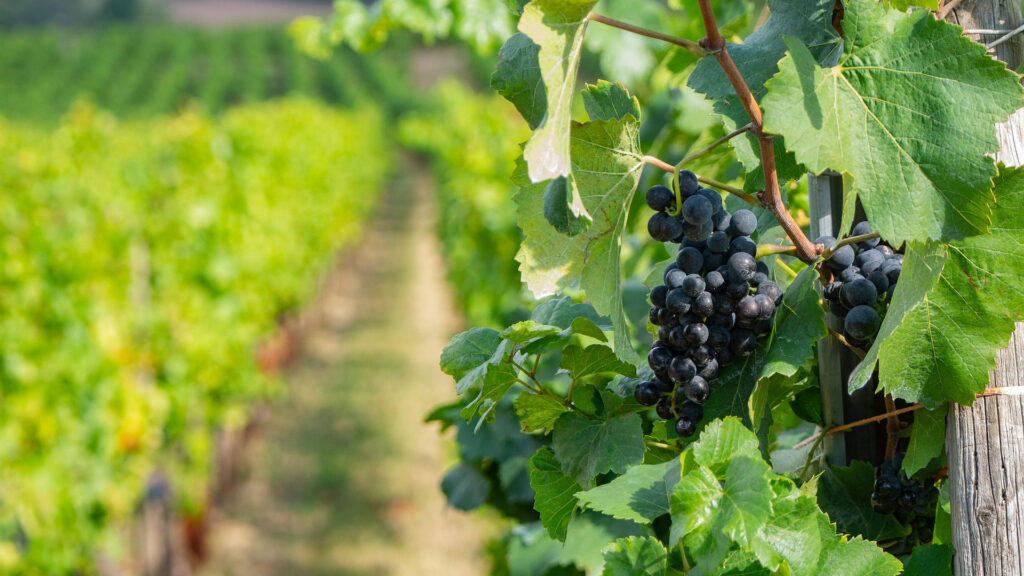
Cabernet Franc – the spicy addition
Alongside Pinot Noir, Cabernet Franc is becoming increasingly important in Switzerland. This grape variety produces elegant, structured red wines that smell of ripe berries, paprika and fine herbs. In Ticino, Vaud and Valais, Cabernet Franc is often combined in cuvées with Cabernet Sauvignon or Merlot. Its freshness and elegance give the wines a special balance. Swiss winegrowers skillfully use the grape variety to enrich the local style – powerful, but never overloaded.
Merlot, Syrah and other grape varieties with character
Merlot is the undisputed star in Ticino. It benefits from the warm climate south of the Alps and produces wines with dense fruit, silky tannins and Mediterranean charm. In western Switzerland, especially around Lake Neuchâtel, it is somewhat cooler and more elegant. Syrah, Cornalin, Gamay, Garanoir, Diolinoir and Gamaret are other grape varieties that contribute to the impressive diversity. Cornalin is considered the original grape of Valais and impresses with notes of black cherries and spices. Syrah, on the other hand, has a spicy structure in Valais that is reminiscent of Rhône wines, while Gamay from Vaud stands for freshness and fruit.
The Zweigelt grape variety is also offered as part of the diverse selection of Swiss red wines.
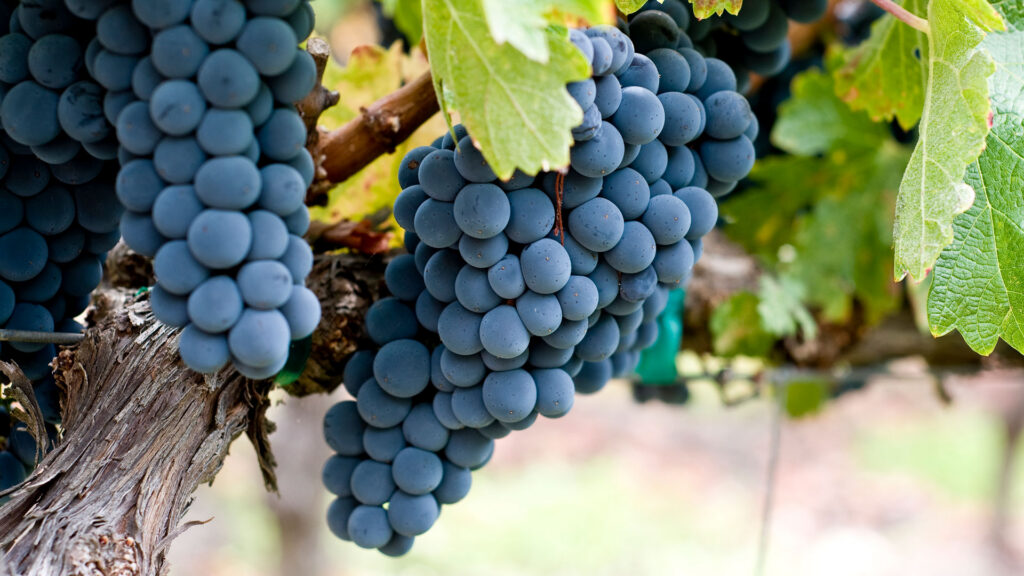
Dôle from Valais – the classic cuvée between Pinot Noir and Gamay
Dôle is a Valais specialty and, as a cuvée, symbolizes the combination of tradition and drinking pleasure. It is based on Pinot Noir and Gamay, usually with a Pinot majority, and thus combines the fine cherry notes of Pinot with the juicy fruit and lively acidity of Gamay. In practice, this results in a medium-bodied, cherry-red red wine with fragrant fruit, subtle spice and smooth tannins – a wine that scores points both in everyday life and on festive occasions. Dôle sits somewhere between the delicate, single-varietal Pinot Noir wines of the Bündner Herrschaft and the spicier, indigenous Valais red wines.
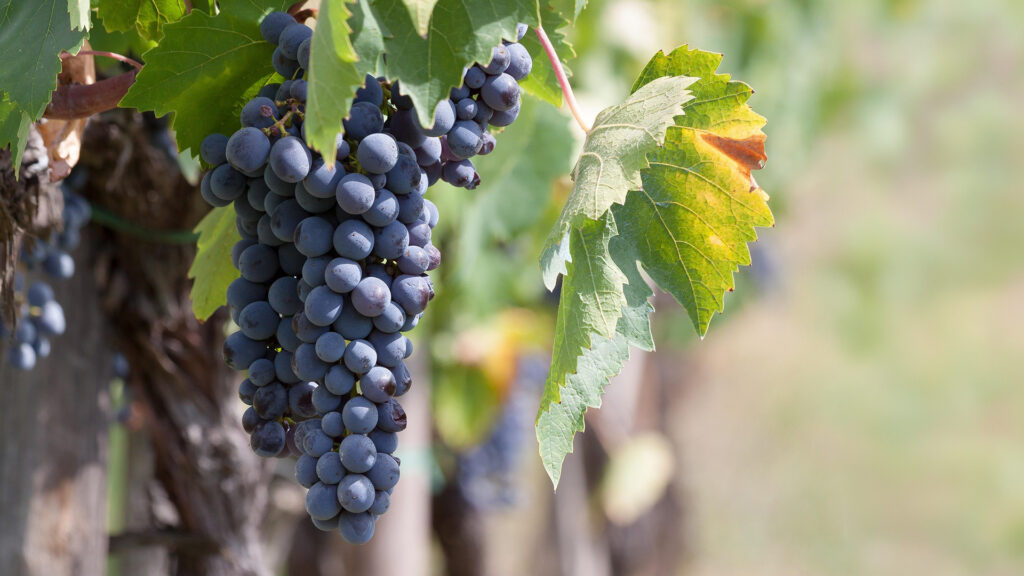
Humagne Rouge – Tradition from the Valais
Humagne Rouge is one of the indigenous grape varieties of Valais and is emblematic of the tradition of Swiss red wines. The vine produces dark, deep red wines with aromas of wild berries, herbs and a hint of wildness. It thrives excellently on the barren, sun-drenched slopes of the canton and is usually produced in small quantities. Its unmistakable character makes it a real insider tip for connoisseurs looking for authenticity.
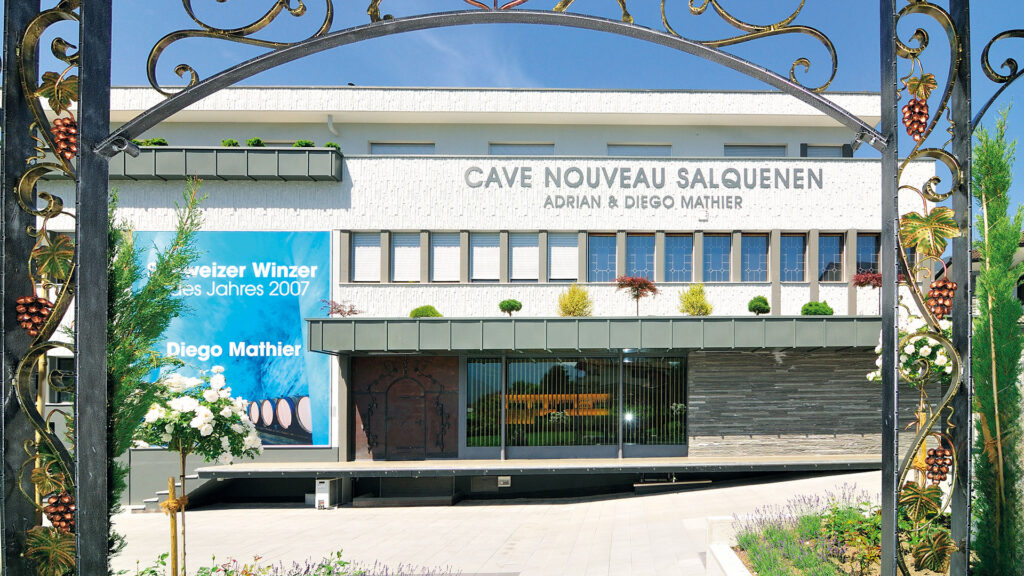
Adrian & Diego Mathier Nouveau Salquenen – modern winemaking in Valais
When it comes to excellent Swiss red wines, there is no way around Adrian & Diego Mathier Nouveau Salquenen. The renowned winery from Valais stands for the highest quality and innovative spirit. On the steep terraces around Salgesch, Pinot Noir, Syrah and Cornalin are vinified in a unique way. With great care in the vineyard and modern technology in the cellar, wines are produced that are internationally acclaimed. The balance between tradition and progress is particularly impressive: natural cultivation, low yields and a passion for the terroir characterize each vintage. Mathier’s red wines exemplify the potential of Swiss wines – complex, harmonious and unmistakable in taste.
Organic, quality and sustainability
Swiss wine production is increasingly focusing on sustainability and organic standards. Due to the limited area under cultivation – only around 15,000 hectares – particular care must be taken when tending the vines. Many winegrowers work with near-natural methods to promote biodiversity and ensure long-term quality. The result is red wines with a clear character of origin that do not require mass production. Whether in Graubünden, Ticino or Valais, Swiss winegrowers attach great importance to manual work, healthy grapes and controlled fermentation. This dedication can be felt in every bottle.
Wine and food – Swiss red wines in the kitchen
Swiss red wines are excellent accompaniments to a wide variety of dishes. A Pinot Noir or Pinot Noir goes perfectly with tender veal, poultry or grilled dishes. Merlot harmonizes wonderfully with lamb, pasta with truffles or creamy sauces. Cornalin and Humagne Rouge really come into their own with game dishes, mushroom ragout or mature hard cheese. Those who prefer lighter dishes will find fruity alternatives in Gamay or Garanoir, which also go perfectly with soft cheeses and vegetable variations. Valais red wines offer a special combination with regional cheeses such as raclette or mild soft cheeses – a symbiosis of terroir and tradition.

Swiss wines on the international stage
Swiss wines enjoy worldwide recognition today. Although they are only exported in limited quantities, their quality is in demand internationally. Swiss red wines delight connoisseurs and gourmets all over the world and regularly achieve world-class results in international competitions. Wine lovers appreciate the clarity, freshness and elegance of these wines. Pinot Noir, Merlot and Cornalin in particular have established themselves as ambassadors for the country. Swiss winegrowers know how to produce wines with respect for nature that reflect the terroir in its purest form – authentic, precise and with an unmistakable character.

Frequently asked questions (FAQ) about Swiss red wines
Which Swiss red wines are available?
There is a wide selection of Swiss red wines, including Pinot Noir, Merlot, Cornalin, Syrah, Gamay, Humagne Rouge, Gamaret and Zweigelt. Each grape variety reflects the diversity of the wine regions.
Which Swiss red wines are the best?
Pinot Noir from the Bündner Herrschaft, Merlot from Ticino and Cornalin from Valais are particularly highly prized. Wines from Adrian & Diego Mathier Nouveau Salquenen are also considered top class.
Which red wine variety in Switzerland is the best?
Pinot Noir is considered the most important red wine variety in Switzerland. It is grown in almost all cantons and has its own character depending on the region – from elegant to powerful.
Which high-quality Swiss red wines are available?
High-quality Swiss red wines come primarily from Valais, Bündner Herrschaft, Ticino and Vaud. Renowned wineries such as Château d’Auvernier exemplify the first-class quality and wide range of fine specialties that Swiss wine regions offer. They are characterized by low yields, precise vinification and first-class quality.