

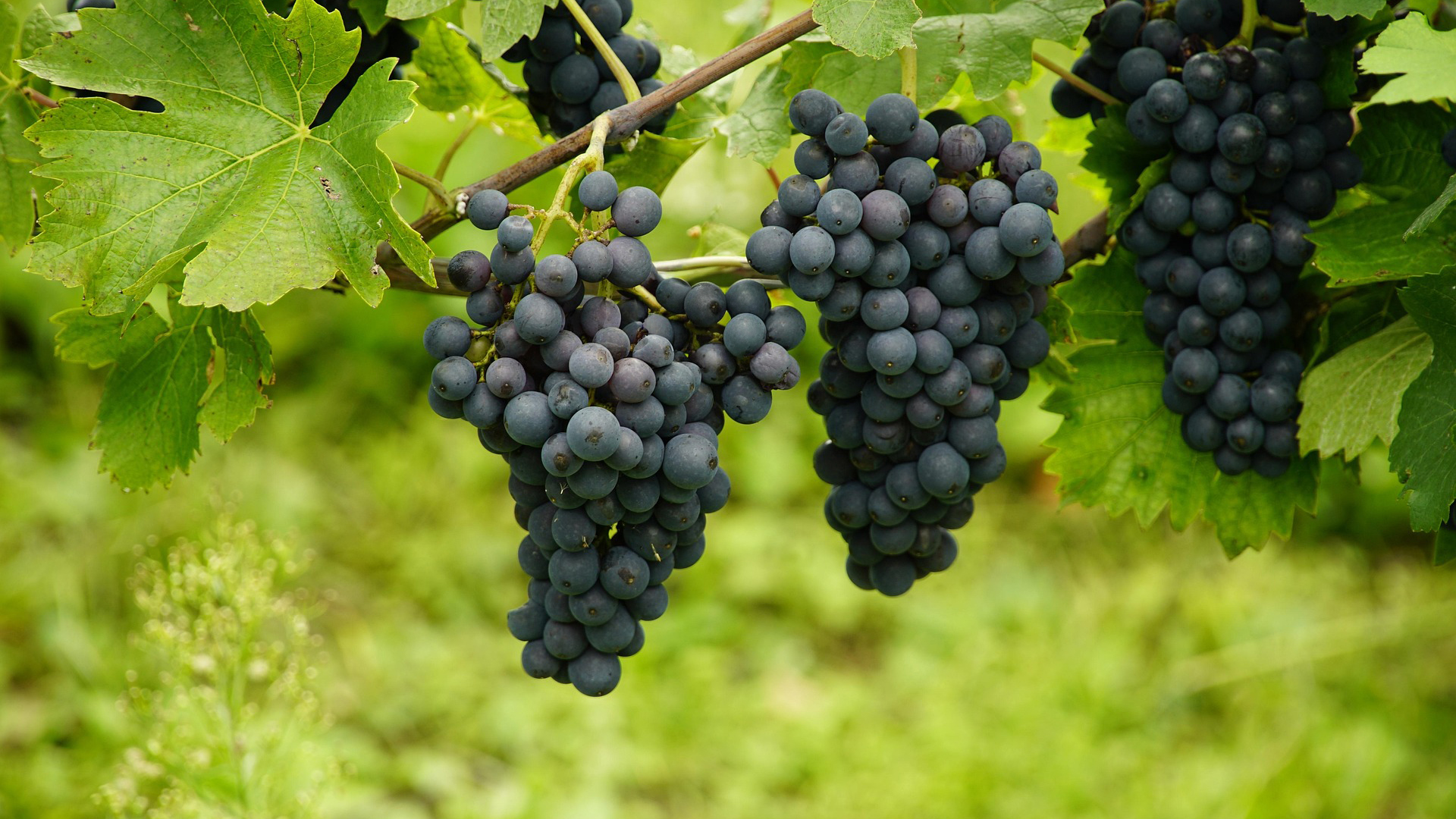
Diversity and quality in the heart of Switzerland
Today, the Lucerne wine-growing region is one of the most dynamic and exciting areas of Swiss viticulture. With around 100 hectares of vineyards, the canton has developed over the last two decades from a regional insider tip to a wine region to be taken seriously. The area under cultivation has grown continuously in recent years and now includes many vineyards in various municipalities. This growth is reflected in the increasing importance of the region. According to current statistics (as of 2023), Lucerne is one of the fastest-growing wine-growing regions in Switzerland. Wines full of character are produced between Lake Lucerne, Lake Sempach and the Seetal valley, reflecting the terroir of Central Switzerland in an unmistakable way.
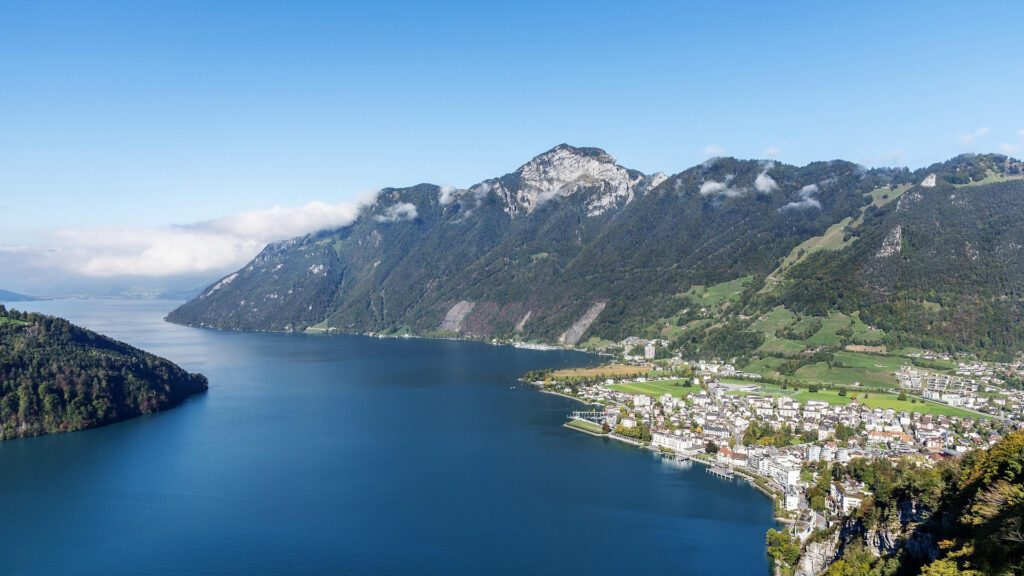
The vineyards are nestled in gently rolling hills, shaped by the former Reuss glacier, which left behind mineral-rich soils. Limestone, clay and moraine alternate and form an ideal basis for grape varieties with elegance, finesse and depth. The vineyards are spread across many municipalities, with each municipality having its own wine-growing characteristics. Many vineyards and producers, including dedicated growers, characterize the Lucerne winegrowing landscape.
From the Middle Ages to the modern wine region
Viticulture in the canton of Lucerne looks back on a long history. The first vines were cultivated around Lake Lucerne, in the Seetal valley and in the Wiggertal valley as early as the late Middle Ages. For centuries, viticulture shaped rural life before almost disappearing in the 19th century. The development of viticulture and wine culture in Lucerne and the neighboring cantons of Obwalden, Nidwalden and Zug was always closely linked and shaped by regional characteristics.
It was not until the middle of the 20th century that a renaissance began: committed winegrowers and agricultural pioneers rediscovered the region. Important impulses came from experts such as Beat Felder, who, as a viticulture commissioner and specialist for wine culture in Lucerne, made a significant contribution to the revival and further development. The legal framework was created by specific ordinances that regulated controlled cultivation, quality assurance and the expansion of vineyards. Today, Lucerne is one of the up-and-coming wine-growing regions in Switzerland with the protected designation of origin AOC Lucerne.
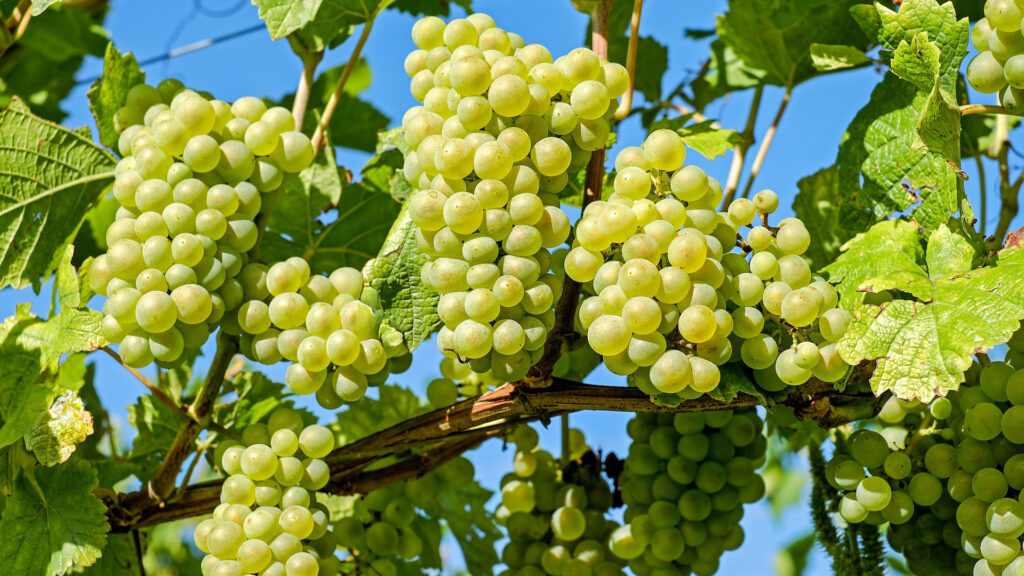
Climate, soils and terroir – a gift from the Reuss glacier
The terroir of the Lucerne wine-growing region is unique. Thousands of years ago, the Reuss glacier formed a mosaic of moraine hills, limestone and clay structures. These soils store heat and minerals, which have a direct effect on the quality of the wines. The favorable vineyard locations and the orientation of the side of the vineyards shape the terroir and have a significant influence on the growth of the grapes.
The climate is characterized by the interplay of foehn winds, sea breezes and stable sunshine. The proximity to the lakes has a temperature-balancing effect and protects the vines from frost. The lakes create a unique microclimate that promotes the development of the grapes and prolongs the ripening phase. Together with the slightly inclined slopes of the vineyards, this creates ideal conditions for high-quality white wines and elegant red wines. In Lucerne viticulture, the minimum sugar content of the grapes plays a central role in quality control and determining the optimum time for harvesting.
The most important wine-growing regions in the canton of Lucerne
In the canton of Lucerne, the vineyards are spread across many municipalities and the area under cultivation is constantly growing. In total, there are numerous municipalities in which the vineyards are located, and the cultivated area is now over 50 hectares. The vineyards benefit in particular from the influence of lakes such as Lake Sempach and Lake Lucerne, which have a positive effect on the microclimate and thus improve the quality of the wines.
The canton of Lucerne combines several distinctive wine-growing regions that differ in terms of climate, soil, vineyards and grape varieties:
- Seetal – fertile soils and a wine landscape with tradition; known for Pinot Noir and Sauvignon Blanc. The vineyards extend over several municipalities and cover around 15 hectares. The growth of the area under cultivation is particularly dynamic here, and the region is known for its specialties such as characterful red wines.
- Lake Sempach – cool nights, sunny days and limestone-rich slopes; ideal for Piwi and Burgundy varieties. The vineyards around the lake are spread across various municipalities and cover around 12 hectares. The microclimate of the lake promotes the growth and development of unique specialties.
- Lake Lucerne – mild, humid microclimate that produces aromatic Sauvignon Blanc and fresh white wines. The area under cultivation here is around 10 hectares, spread over several municipalities with excellent vineyards. The proximity to the lake produces many specialties with a unique character.
- Wiggertal – younger wine-growing region with great potential, characterized by mineral loam and clay soils. The vineyards are growing continuously and currently cover around 8 hectares. Here, too, many specialties are being produced that reflect the region’s potential.
Each of these sub-regions shows its own interpretation of the Lucerne terroir and contributes to the diversity of the wine region.
Grape varieties and styles of Lucerne wines
The wines from Lucerne are characterized by precision, clarity and an unmistakable origin. The sensory qualities of Lucerne wines are characterized by a variety of tastes and a characteristic aroma that appeals to both connoisseurs and new wine lovers. The white wines are lively, delicately fruity and balanced, while the red wines impress with their structure, freshness and elegant fruit aromas.
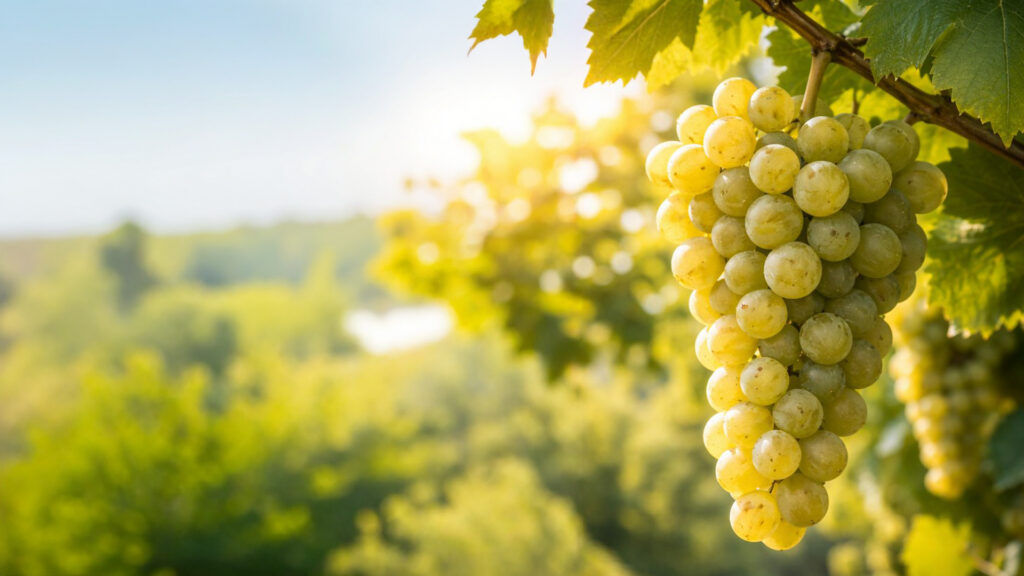
Many different grapes and wine grapes are grown in Lucerne, resulting in a wide variety of grape varieties and styles. The wines from Lucerne are considered specialties that are characterized by their high quality and the special terroir of the region.
The typical grape varieties include:
- Sauvignon Blanc – aromatic, with notes of citrus, gooseberry and elderflower.
- Pinot Gris – harmonious and delicately spicy with an elegant texture.
- Müller-Thurgau – fresh, light wine with a fine muscat tone.
- Pinot Noir – the classic of Central Switzerland, with a velvety structure and ruby red color.
- Chardonnay – increasingly popular, with a delicate mellowness and mineral aftertaste.
Pinot Noir traditionally forms the backbone of red wine production, while the white wines impress with their variety and drinkability.
Piwi varieties – a sustainable future in viticulture
The Piwi varieties (fungus-resistant grape varieties) are a unique selling point of the Lucerne wine-growing region. With a share of over 40 percent of the total vineyard area, Lucerne is one of the leading regions in Switzerland in the area of sustainable vine breeding.
Varieties such as Solaris, Souvignier Gris, Divico or Johanniter are robust against fungal diseases and require less plant protection. This protects the environment, promotes biodiversity and ensures healthy, vital vines.
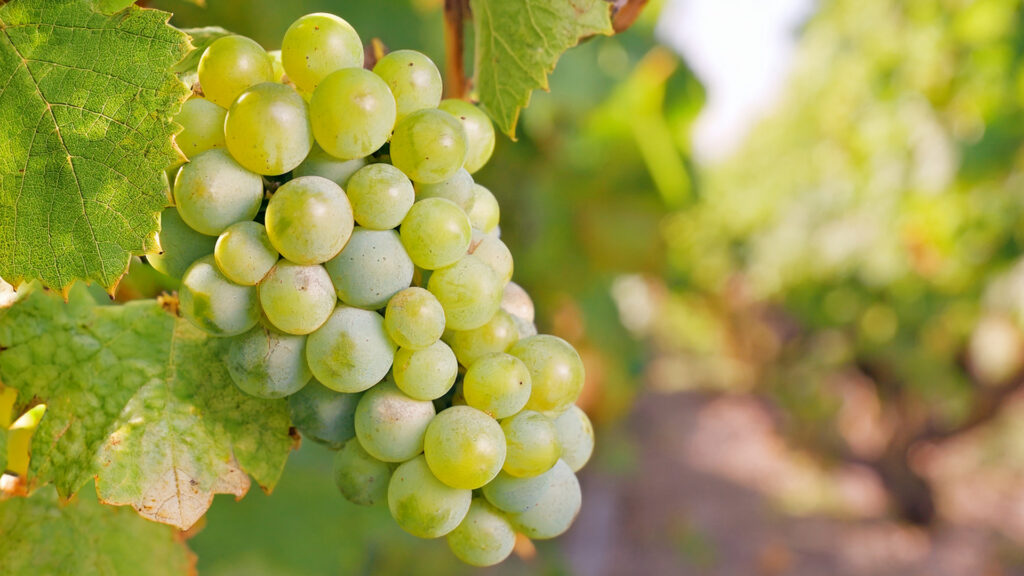
Lucerne’s winegrowers prove that sustainability and quality go hand in hand. The resulting wines are independent, aromatic and represent the innovative strength of the region. The producers in particular play an important role in the cultivation and marketing of the Piwi varieties and contribute their expertise in a targeted manner. Direct contact between winegrowers and customers promotes personal exchange and strengthens the regional market. Piwi wines are marketed via various sales channels, such as farm-gate sales, specialist retailers and the restaurant trade, which means that sales are growing continuously. The market for Piwi wines is becoming increasingly important and offers new opportunities for the sustainable wine industry.
Renowned wineries from the Lucerne wine-growing region
Weingut Heidegg – Wine and history in the Seetal valley
The Heidegg winery is located below Heidegg Castle and is regarded as a symbol of the revival of Lucerne viticulture. As one of the most traditional wineries in the region, it benefits in particular from the excellent vineyards on the sunny south side of the lake valley, which offer ideal conditions for cultivation thanks to their geographical location and special microclimate. The chalky soils give the wine a mineral note.
Precise Sauvignon Blanc, fruity Müller-Thurgau and elegant Pinot Noir are produced here. The combination of traditional craftsmanship, modern cellar technology and respect for nature characterizes the style of Heidegg’s wines – authentic, balanced and rooted in the region.
Weinbau Kaiserspan – innovation and craftsmanship
The family business Weinbau Kaiserspan in Hitzkirch represents a new generation of Lucerne winegrowers. The growers and producers on the farm are active directly on the market and maintain close contact with their customers, keeping the added value on their own farm. Sustainability and biodiversity are core values, as is working with Piwi varieties. In recent years, there has been significant growth in the vineyards and the business, which underlines the positive development and growing reputation of the region.
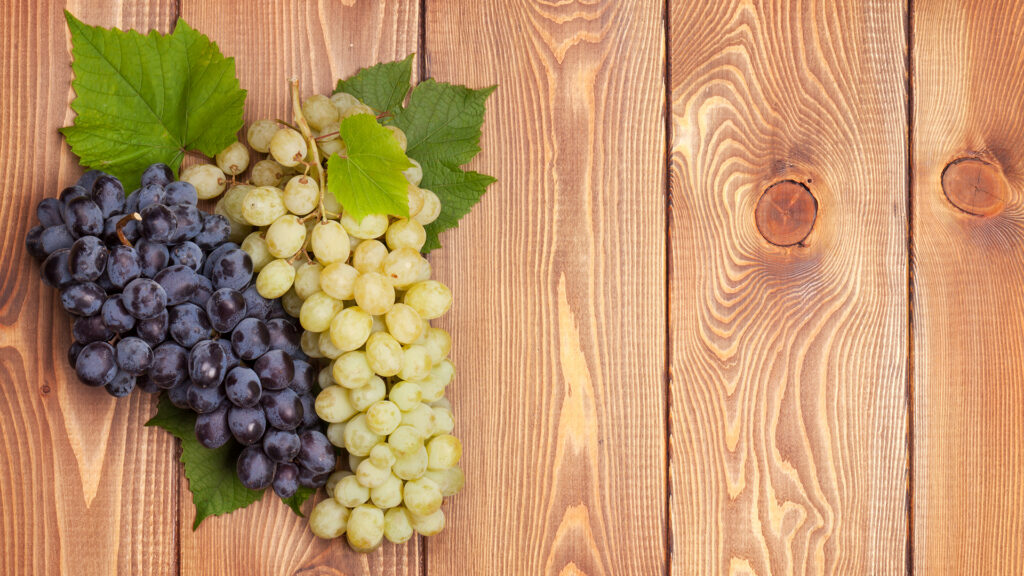
Solaris impresses with its tropical aromas and fresh acidity, while Divico produces powerful, deep red wines with a remarkable structure. Kaiserspan shows that innovation, quality and tradition can be in harmony – and clearly demonstrates the potential of Lucerne’s vineyards.
Weinbau Elias Bachmann – Quality in the Wiggertal
Elias Bachmann is one of the up-and-coming young winemakers in the canton of Lucerne. As a dedicated farmer, he cultivates his vineyards with great care and is directly responsible for the quality of his wines. His vineyards in the Wiggertal benefit from the influence of the Alps and the clay-rich soils. In cultivation, he places particular emphasis on sustainable methods, low yields and a targeted selection of varieties to allow the grapes to ripen optimally. He focuses on natural viticulture, low yields and high grape quality.
In addition to classic varieties such as Pinot Gris and Müller-Thurgau, he also experiments with Piwi varieties. The wines are characterized by freshness, clarity and an elegant balance – vinified by hand and with the aim of honestly reflecting the terroir.
Wine and cuisine – harmony from the region
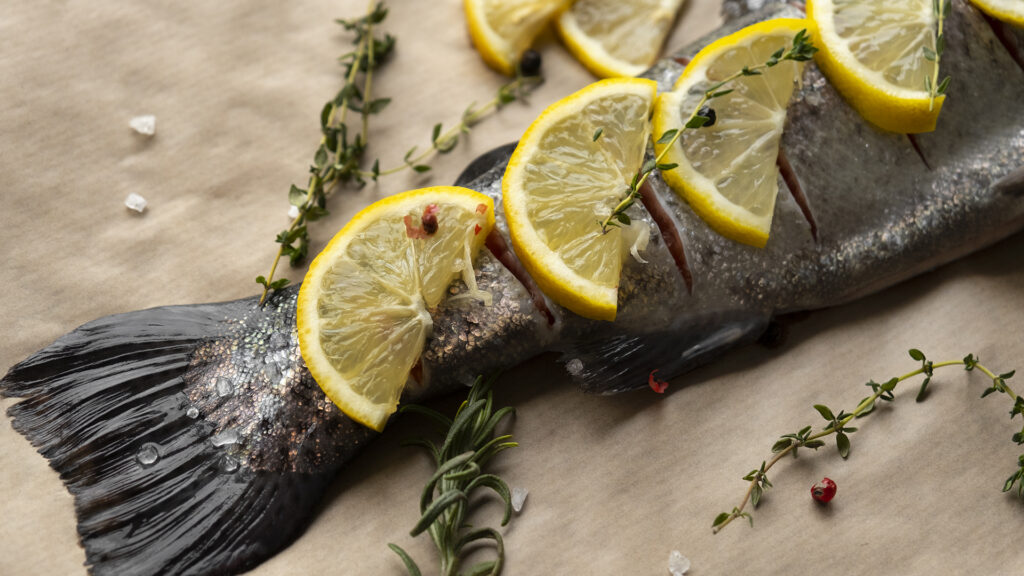
The wines from Lucerne are an excellent accompaniment to the cuisine of Central Switzerland. They are considered culinary specialties of the region and are characterized by their high quality and special terroir. A fresh Sauvignon Blanc goes perfectly with fish from Lake Lucerne, a Pinot Gris with regional cheese, while strong red wines from Pinot Noir or Divico harmonize with meat dishes.
The close connection between agriculture, gastronomy and viticulture creates an authentic experience that reflects the character of the region.
Frequently asked questions (FAQ) about the Lucerne wine-growing region
Which canton produces the most wine?
Valais is the country’s largest wine-growing canton, accounting for around a third of Switzerland’s vineyards.
What is the wine capital of Switzerland?
There is no official wine capital, but Sion and Lausanne are considered centers of Swiss viticulture.
Where is the most beautiful wine region?
The most beautiful wine regions include Lavaux, the Three-Lakes Region and the Lucerne Seetal with Heidegg Castle.
Where is the largest vineyard in Switzerland located?
The largest area under vines is in Valais, followed by Vaud and Ticino. Lucerne is one of the growing regions with a strong awareness of quality.