

Lake Thun wine-growing region – the alpine heart of German-speaking Switzerland
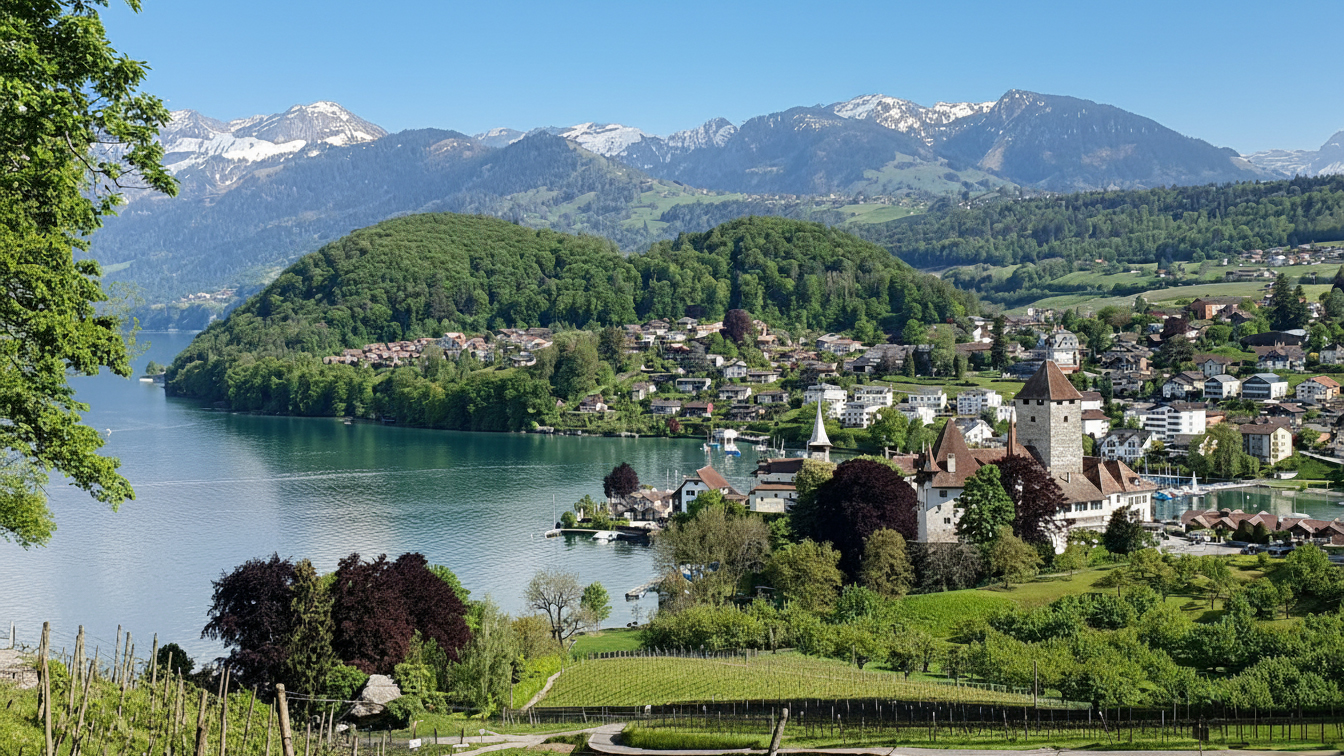
The Lake Thun wine-growing region is one of the most charming and at the same time smallest wine regions in Switzerland. Nestled between glistening waters and the mighty peaks of the Bernese Alps, elegant, finely structured wines are produced here on sunny slopes. The proximity to Lake Thun shapes the climate, while the high altitudes and steep terraced vineyards give the wines an unmistakable freshness. The altitude of the vineyards, which extend up to 650 meters above sea level, creates a unique microclimate and has a significant influence on the ripeness and aroma of the grapes. The uniqueness of the Lake Thun wine-growing region is reflected in the interplay between the lake, the altitude and the balancing climate, which results in wines with a particularly strong character. The vineyards around Lake Thun benefit from the special geographical location, which offers them ideal conditions for cultivation. These regional characteristics are particularly evident in the municipalities of Spiez, Thun, Oberhofen and Hilterfingen, which are considered important locations for viticulture on Lake Thun.
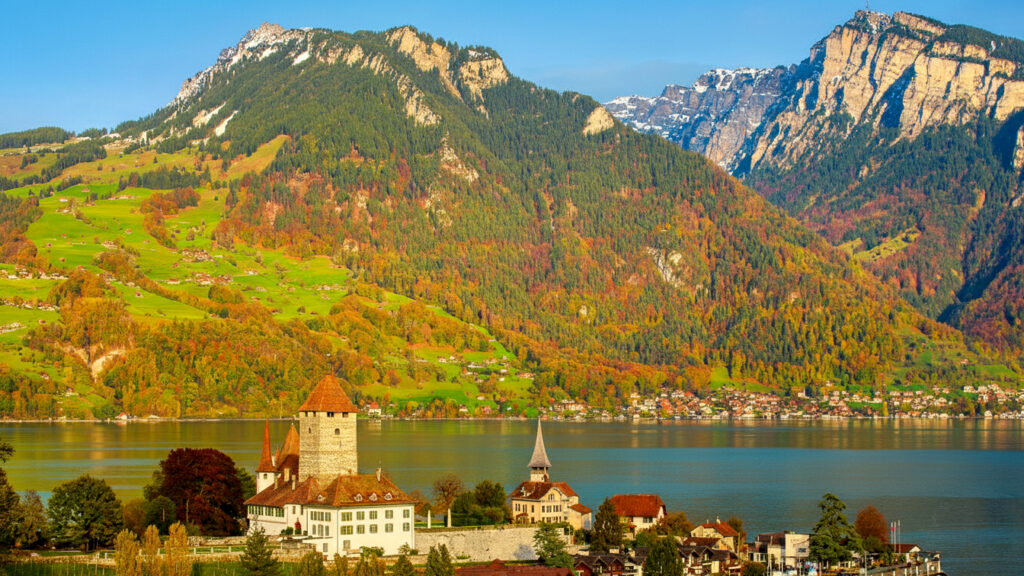
Viticulture here is not just agriculture, but a living passion. Around Spiez, Thun, Oberhofen and Hilterfingen, winegrowers work with great dedication to maintain a balance between nature, craftsmanship and quality. The result is authentic wines that reflect the character of this exceptional landscape.
Wine culture and experience
Anyone who visits the Lake Thun wine-growing region immediately senses how strongly wine is part of the identity here. The gently terraced vineyards, the view of the lake and the imposing mountain backdrop create an incomparable atmosphere.
Wine hikes, guided tours of the Rebbau Spiez cooperative or tastings in small wine cellars offer the opportunity to experience viticulture up close. A walk along the vines is particularly attractive in the fall, when the leaves glow golden and the lake shimmers a deep blue.
Here, wine is a cultural heritage – lively, accessible and full of stories.
Climate and landscape – the basis for quality
Lake Thun lies at around 560 meters above sea level, and most of the vineyards rise to around 650 meters. The altitude of the vineyards has a significant influence on the microclimate, as it ensures cooler nights and slower ripening of the grapes. The lake acts as a natural heat reservoir: it reflects the sunlight onto the vines, stores heat during the day and releases it again at night.
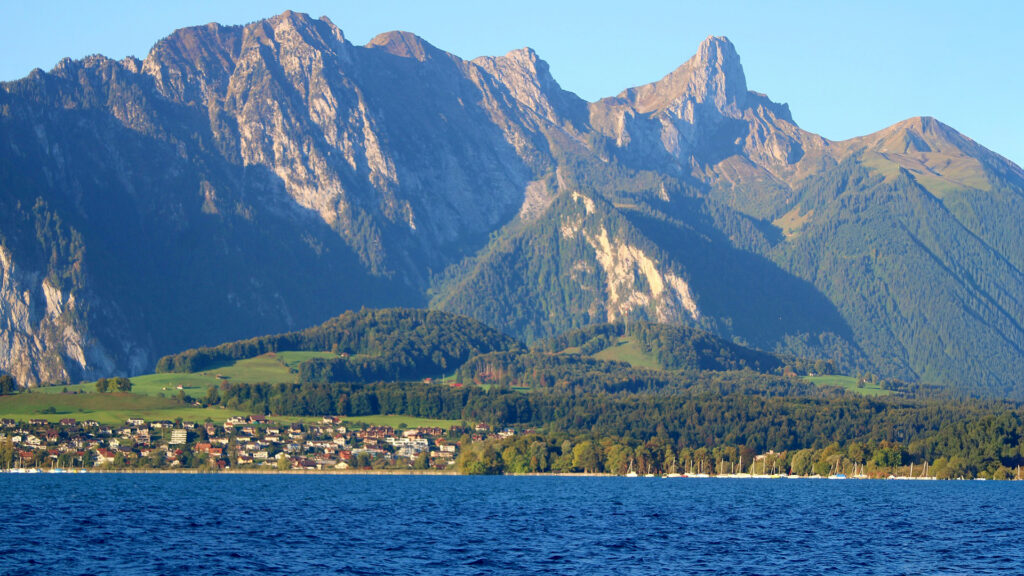
In addition, the Föhn, a warm southerly wind from the Alps, acts as a natural dryer. It promotes the ripening of the grapes and protects the vines from fungal diseases. Compared to other wine regions on Swiss lakes such as Lake Neuchâtel or Lake Biel, which also benefit from the influence of the lakes, Lake Thun, in combination with the cool mountain air, creates ideal conditions for fine, fruity, balanced wines.
The soils consist of limestone, marl and sandy molasse – rocks that are ideal for water regulation. This composition gives the wines their typical minerality and elegance, although the climate here is significantly cooler than in southern Europe, which has an effect on the character of the wines.
The importance of terroir
The terroir on Lake Thun is characterized by diversity: limestone-rich soils, steep slopes and the mild lake climate create an environment that is second to none. The vines are deeply rooted, which gives them stability in dry summers, and the finely graded relief ensures optimal exposure to the sun.
The proximity to water protects the vines from extreme temperature fluctuations. As a result, the grapes ripen slowly and evenly – a decisive factor for the aromas. This balance between alpine freshness and sunny warmth produces wines with character, which have both structure and elegance.
AOC – Appellation d’Origine Contrôlée: Origin and quality seal on Lake Thun
The AOC designation (Appellation d’Origine Contrôlée) is much more than just a label for the Lake Thun region – it is a promise to lovers of regional wines. Only wines that meet strict requirements are allowed to bear this seal of quality. These include the selection of approved grape varieties such as Pinot Gris, Riesling Sylvaner and Cabernet Dorsa, controlled cultivation on the region’s characteristic slopes and careful production that is monitored by independent experts.
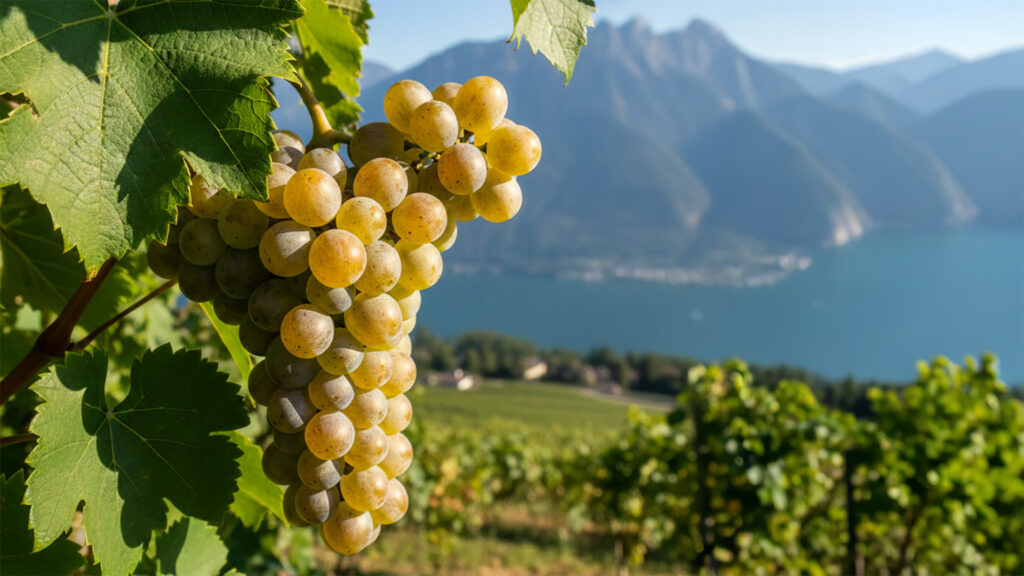
The AOC guarantees that each wine actually comes from the defined area and has been produced using both traditional and modern methods. For consumers, this means that they can rely on the authenticity, unique taste and high quality of the wines. The AOC wines from Lake Thun in particular are characterized by their freshness, elegance and the typical aromas of the respective grape varieties. This makes every bottle an ambassador for the region and its special winegrowing culture.
History of viticulture on Lake Thun
The roots of viticulture on Lake Thun go back a long way. As early as the 15th century, it is documented that vines were cultivated along the sun-drenched slopes between Spiez and Oberhofen, with the region belonging to the canton of Bern. Monasteries, noble families and later bourgeois farms planted small but carefully tended vineyards, which were often terraced to make the most of the sun. The vine played a central role in the cultural and economic development of the region.
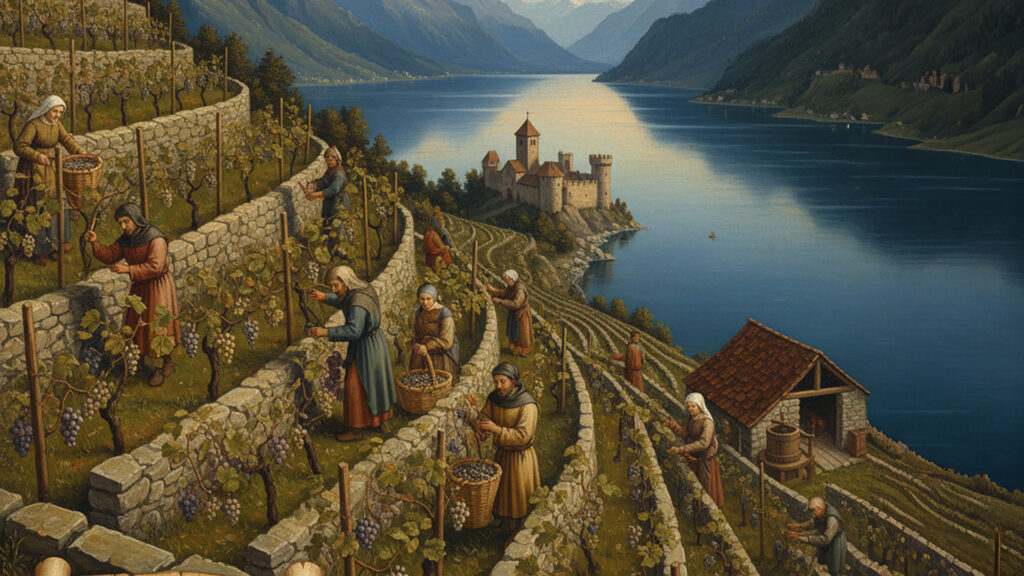
The development of the hectares of vines and the expansion of the areas around Lake Thun reflect the importance of viticulture for the region. In the 19th century, viticulture suffered under the pressure of imported wines and phylloxera, as a result of which many plots were abandoned and a significant decline in vineyards was recorded. It was not until the 1980s that a renaissance began: committed winegrowers recognized the potential of the unique lake climate and began to revive viticulture with modern methods and regional awareness.
Today, Lake Thun is considered one of the up-and-coming regions of German-speaking Switzerland – small in area but big in quality.
Varietal diversity around Lake Thun
Pinot Noir dominates in the Lake Thun wine-growing region and is at its finest here. Pinot Noir, as it is known in German-speaking Switzerland, thrives excellently on the chalky slopes of the region. It is particularly elegant in Spiez and the surrounding area, with a clear structure, ripe berry aromas and fine tannins. The choice of grape variety plays a decisive role in the high quality of the wines from Lake Thun.
In addition to Pinot Noir, white wines such as Riesling-Sylvaner, Müller-Thurgau, Chardonnay, Pinot Gris and Sauvignon Blanc have a firm place here. These varieties benefit from the combination of sun, lake and mountain air. Riesling-Sylvaner in particular impresses with its freshness, citrus notes and lively acidity.
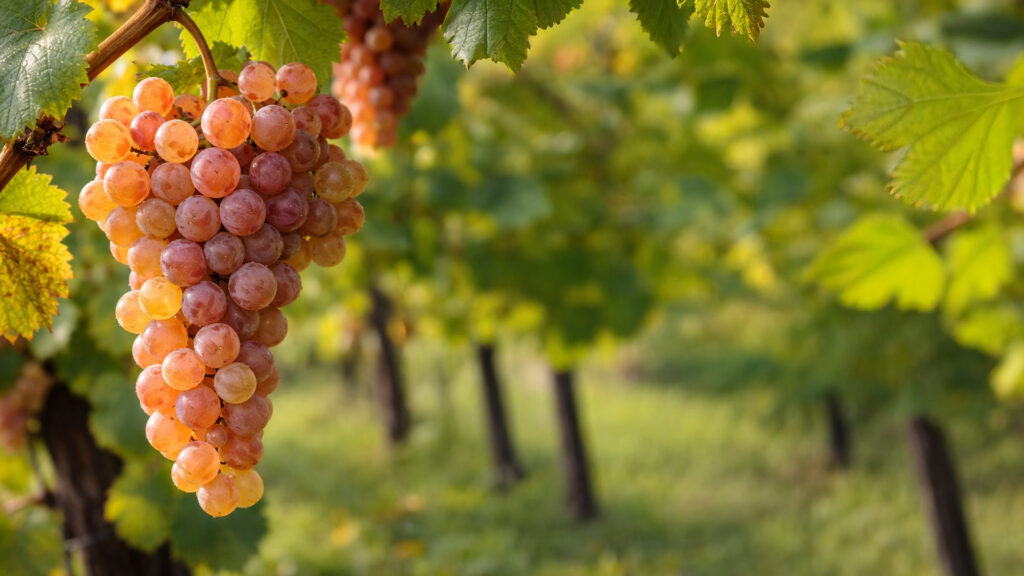
Specialties such as Räuschling, Elbling and Cabernet Jura can also be found here and there, giving the region an experimental touch. In addition, innovative and fungus-resistant varieties such as Johanniter, Regent, Solaris and Ligerz are cultivated, further enriching the diversity of varieties. A current trend is clearly moving towards fungus-resistant and regional grape varieties that enable sustainable and modern viticulture. This diversity of varieties shows the courage of winegrowers to try out new things without losing their regional identity and underlines the impressive diversity of wine in the region.
The taste of the region
The wines from Lake Thun carry the landscape in the glass. The Pinot Noir impresses with fine fruit aromas of cherry, raspberry and a little spice, complemented by an elegant acidity and a long, mineral finish.
The white wines – especially Riesling-Sylvaner and Müller-Thurgau – have a lively structure with notes of green apple, citrus and white flowers. They are light, precise and make excellent accompaniments to fish and cheese.
Rosé wines are also becoming increasingly popular. Their scent of red berries and their delicate color make them ideal for warm summer days – a reflection of the region’s joie de vivre.
Craft and passion
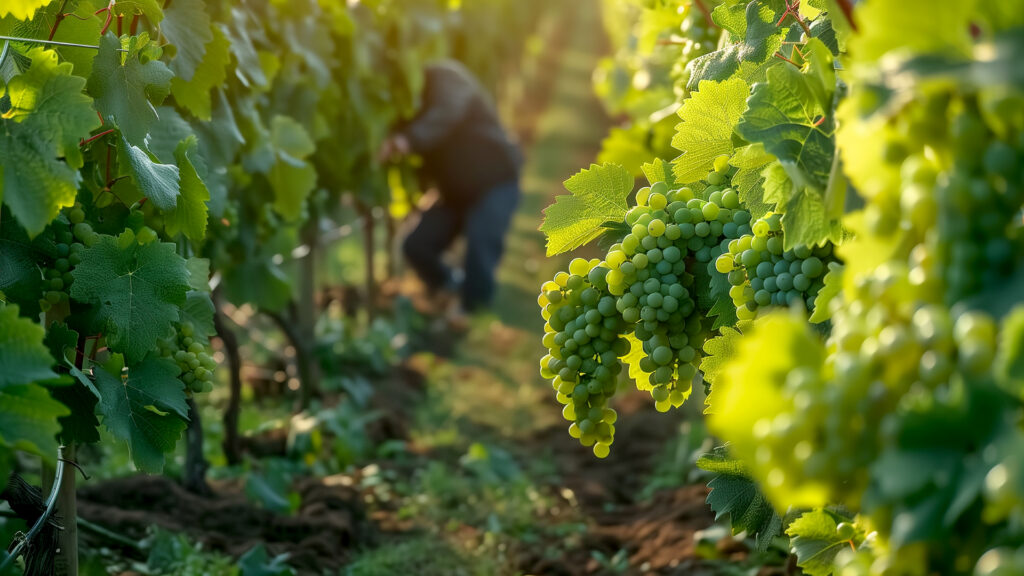
Viticulture on Lake Thun is characterized by small family businesses that put their heart and soul into their work. Many of them have been growing grapes for generations. Tradition and modern technology go hand in hand: while much of the work in the vineyard is still done by hand, the winegrowers in the cellar rely on precise temperature control and gentle vinification. New ideas and innovative approaches, for example in the selection of grape varieties or cultivation methods, are helping to further develop viticulture on Lake Thun and modernize the region.
This combination of experience and innovation makes for wines that are honest and genuine. Each vintage tells its own story – of the climate, the patience of the winegrowers and the beauty of the landscape.
The Rebbau Spiez Cooperative
At the heart of the Lake Thun wine-growing region lies the region’s best-known winery: the Rebbau Spiez Genossenschaft. It was founded in 1933 and today cultivates around eleven hectares of vines on the steep southern slopes above the lake. The cooperative’s vineyards cover a total of around eleven hectares, which underlines the importance and potential of viticulture in this region.
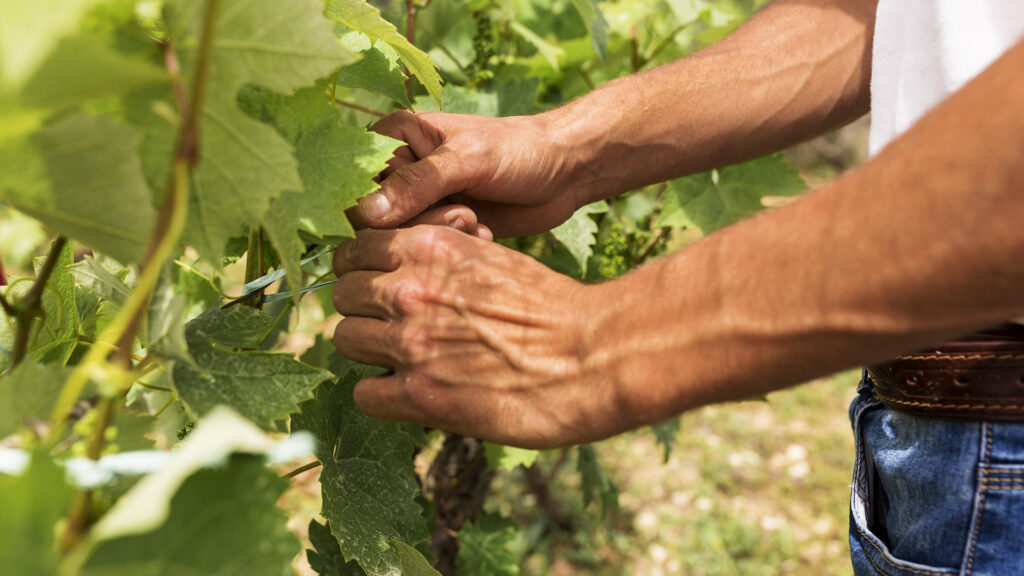
The Spiez vineyards are among the most spectacular in Switzerland. The terraces have a gradient of up to 40 percent, which makes tending the vines a real manual task. Every move counts here – from careful leaf pruning to selective harvesting.
Well-known wines such as Spiezer Pinot Noir, Riesling-Sylvaner and Müller-Thurgau bear the “Spiezer” quality label and stand for precision, craftsmanship and regionality. These wines are characterized by their freshness, clarity and harmony and are known far beyond the borders of the Bernese Oberland. Strict controls during production and processing ensure the consistently high quality of Spiezer wines.
Frequently asked questions (FAQ) about the Lake Thun wine-growing region
Where is the Lake Thun wine-growing region located?
The Lake Thun wine region is located in the canton of Bern, in the Bernese Oberland. The most important vineyards are located around Spiez, Thun and Oberhofen.
Which grape varieties are grown on Lake Thun?
The main varieties cultivated are Pinot Noir, Riesling-Sylvaner, Müller-Thurgau and Pinot Gris. Chardonnay, Cabernet Jura and some rare varieties such as Räuschling and Elbling can also be found.
What characterizes the wines from Lake Thun?
They combine alpine freshness with elegant fruit. The lake climate and chalky soils give the wines lightness, fine minerality and a clear, precise taste.
Can I visit wineries in the region?
Yes, the Rebbau Spiez Genossenschaft in particular offers guided tours and tastings. Visitors can tour the vineyard terraces and learn more about the history and production of Spiez quality wines.