

Bella Italia – the wine country of superlatives
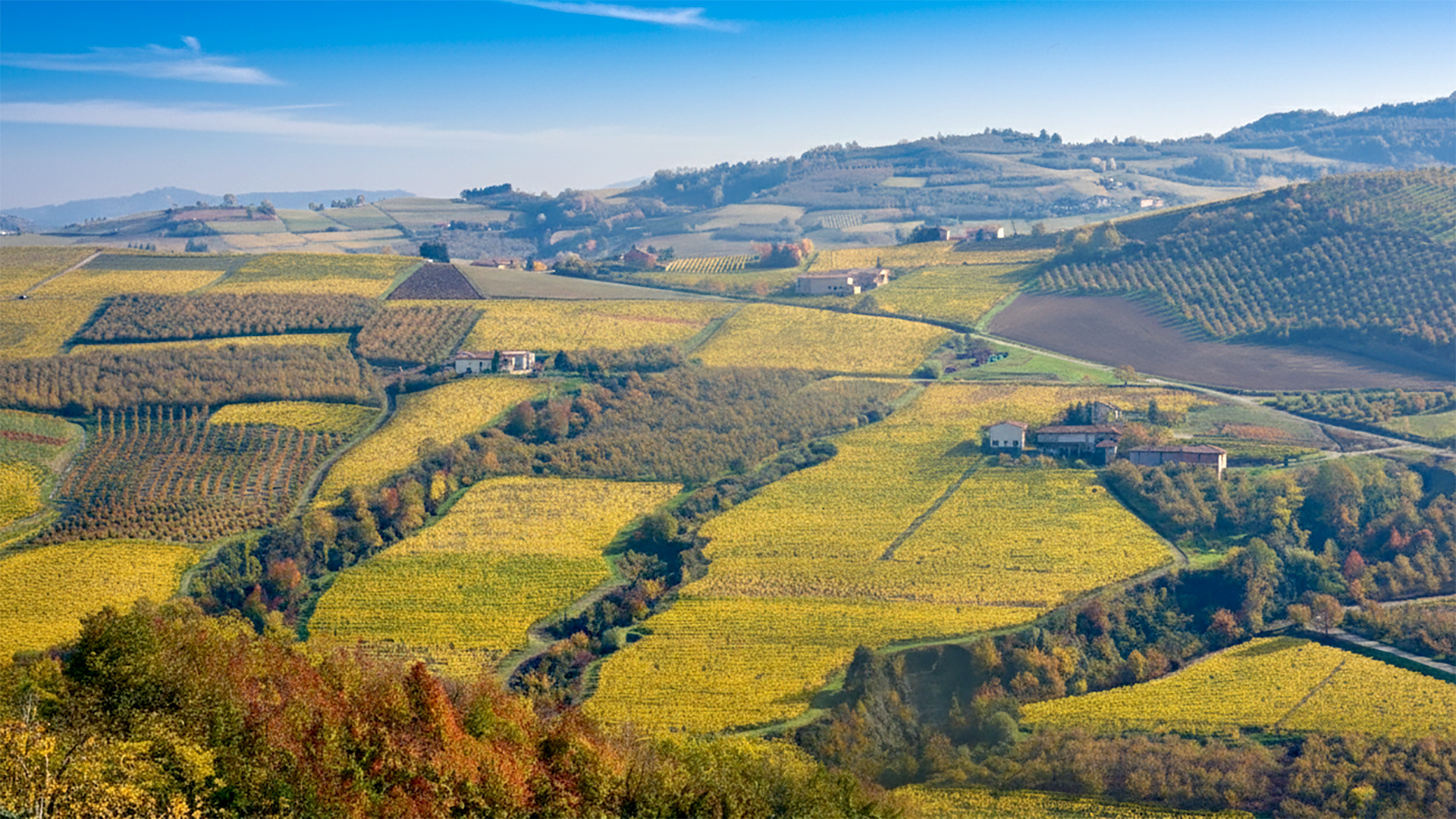
There is no other European country that can compete with Italy in terms of diversity in viticulture. With over 2,000 indigenous grape varieties, Italy offers a unique and huge selection of wines. The special thing about Italy is that, from north to south, there is no region in Italy that does not produce wine. There are no less than twenty different regions where wine is grown. These can be divided into three main regions: Northern Italy, Central Italy and Southern Italy, all of which are known for their unique wine regions.
History and culture of Italian viticulture
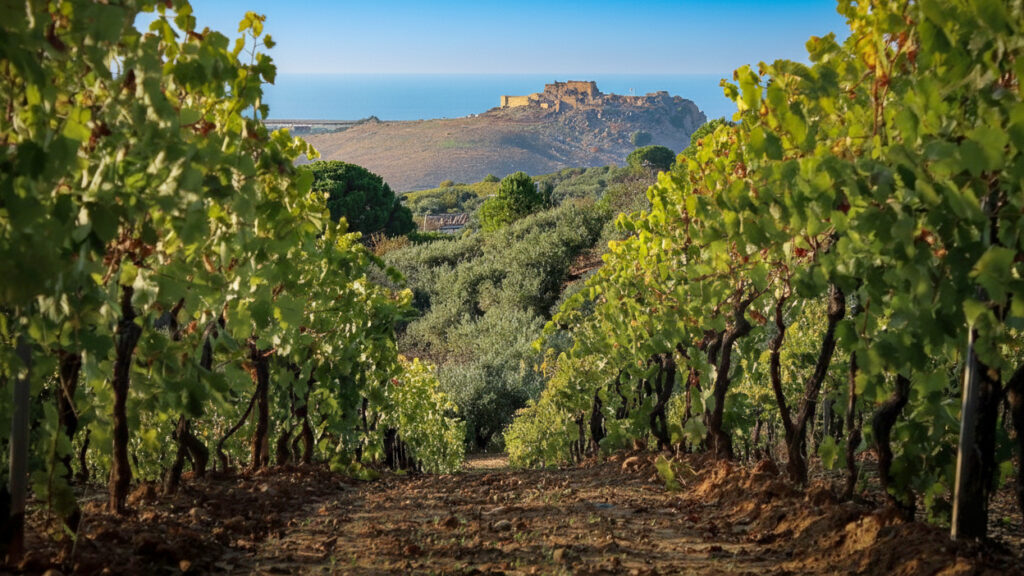
Italy has played a decisive role in the history of viticulture worldwide. The origins of viticulture on the Italian peninsula can be traced back to the Greek colonies in the south of what is now Italy, but the Etruscan culture also had a major influence on the history of viticulture. During the greatest expansion of the Roman Empire under Emperor Trajan, the empire stretched across three continents and dominated the entire Mediterranean region as well as areas in Gaul, Britain and around the Black Sea. During this period, trade, art and culture reached their first heyday in many parts of the empire.
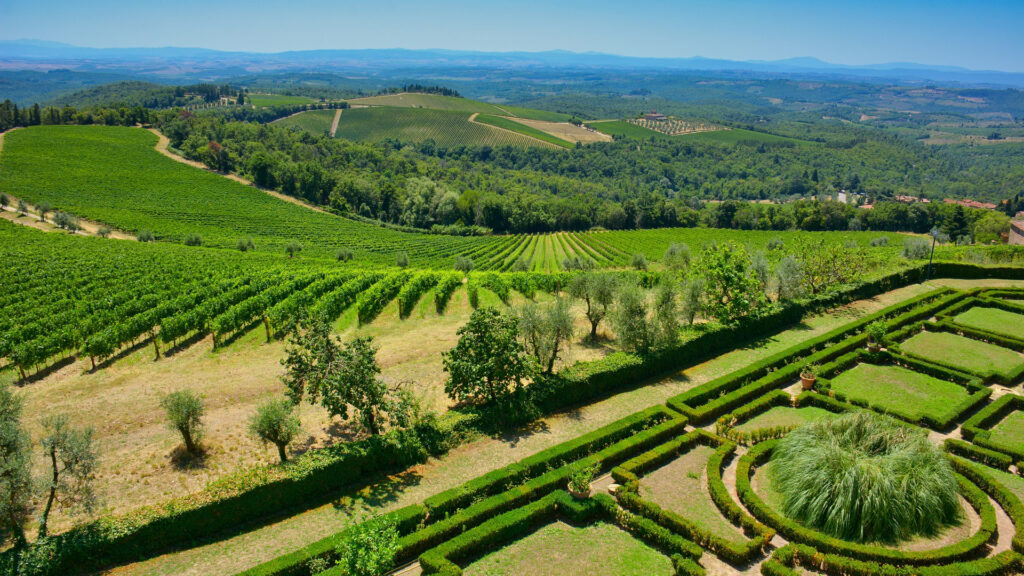
Historic wine-growing regions such as Tuscany and Piedmont are examples of the long tradition of viticulture in Italy.
Viticulture benefited significantly from the influence of the Romans, who drove significant progress in today’s classic wine-growing countries such as Switzerland, Germany, France, Italy, Austria, Portugal and Spain. Under Roman culture, wine became an integral part of everyday culture in large parts of the empire and was accessible to all sections of the population. With the expansion of the Roman Empire, viticulture became increasingly widespread, as the growing demand could no longer be met by Italy alone.
Roman writers such as Cato the Elder, Columella, Horace, Palladius, Pliny, Varro and Virgil provided valuable insights into the role of wine in everyday culture and documented the state of viticulture in their time. Today, their works give us a comprehensive overview of the importance of wine in ancient Rome.
Geography and climate
Italy is characterized by mountains and the Mediterranean Sea, with the Alps in the north protecting the boot from bad weather fronts and cold northerly winds.
The climatic conditions in Italy are ideal for viticulture, as the mild climate and diverse geographical conditions offer optimal growing conditions.
Apennines as a natural weather divide
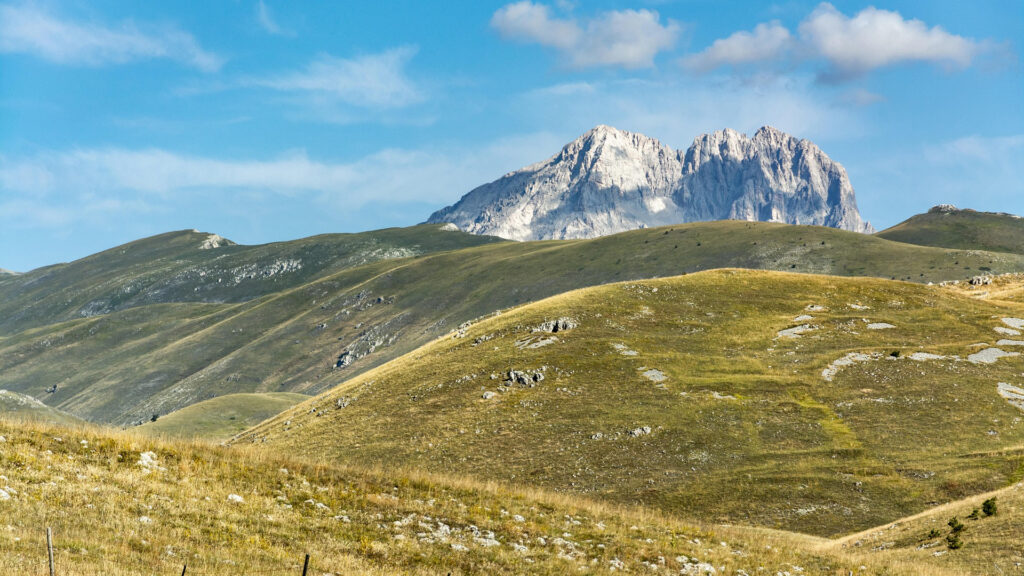
The Apennines run through the country from the north to the tip in Calabria. With a length of over 1500 km, it is not possible to make any general statements, but one thing is certain: the mountain range serves as a weather divide where the best quality vineyards are almost always located on the slopes. While the fertile soils in the valleys are traditionally used for growing cereals, fruit and vegetables, the more barren slopes have always been reserved for wine and olives. Thanks to the warm to hot summers followed by long, sunny autumns, the grapes generally ripen well and thus bring good quality to the harvest.
Selected Italian wine-growing regions and their wines
To date, around 1,000 varieties have been registered in Italy, of which 400 varieties are still permitted or recommended for viticulture in various wine regions in the DOC regulations. The grape varieties Barbera, Malvasia, Montepulciano, Nebbiolo, Sangiovese and Trebbiano, Nero d’Avola and Roero Arneis are the most important grape varieties for Italian wines. In addition to the indigenous grape varieties, internationally renowned grapes such as Chardonnay, Sauvignon blanc, Pinot Noir, Merlot, Cabernet Sauvignon, etc. are also cultivated for the production of wine in Italy. Sangiovese also plays a special role among Italian grapes, as it provides the main component of grapes for classics such as Chianti or Brunello di Montalcino.
Pinot Grigio – the Italian light foot
The Pinot Grigio grape is grown throughout Italy. The grape is found in Friuli-Venezia Giulia, Veneto (Italian: Veneto), Alto Adige-Trentino, Tuscany, Umbria, Lombardy, Valle d’Aosta and Abruzzo. As a mutation of Pinot Noir, it belongs to the Burgundy family and thus originates from France.
With a few exceptions, Italian Pinot Grigio wines are simple, with a lean body and no oaky notes to emphasize the fruit. They typically have a short finish and are of average to good quality. Most of the production comes from the Veneto region in north-eastern Italy, where they are sold labeled as DOC delle Venezie or IGT Veneto. A much more complex and full-bodied style can be found in Friuli-Venezia Giulia in the north-eastern corner of Italy. Pinot Grigio is one of the most successful wines of the last ten years and has been exported from Italy in huge quantities.
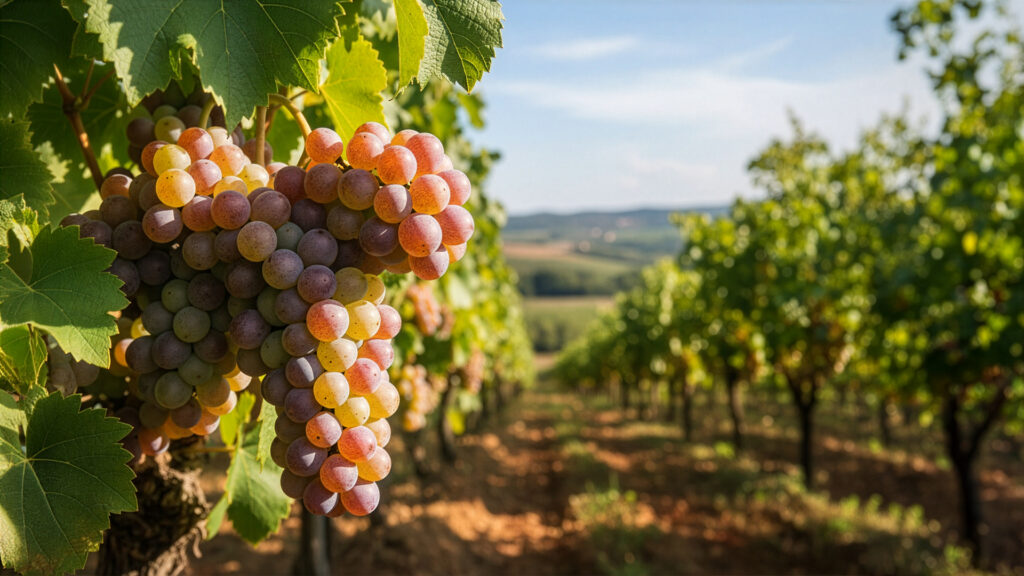
The fact that this grape is cultivated in many different regions of Italy also leads to a wide variety of styles. While a Pinot Grigio from South Tyrol is green-fruity, lean and rich in acidity, the vineyards in Trentino are deeper, meaning that the Pinot Grigio matures better. Accordingly, the wines from this region have aromas of ripe peach and apricot, only medium acidity and a medium body. Southern Friuli, on the other hand, produces the richest, ripest Pinot Grigio thanks to its deep vineyards and Mediterranean influence. They show notes of stone fruit and exotic fruit, have only low acidity and a full body.
Full-bodied Barbera red wines from Piedmont
Red wines made from the Barbera Nera grape are vinified around Barbera, the town of the same name in the Piedmont region. These wines are known for their powerful structure and pronounced aromas of red plums and red cherries as well as occasional hints of pepper. They are characterized by a low to medium tannin content, a full body and a deep ruby red color.
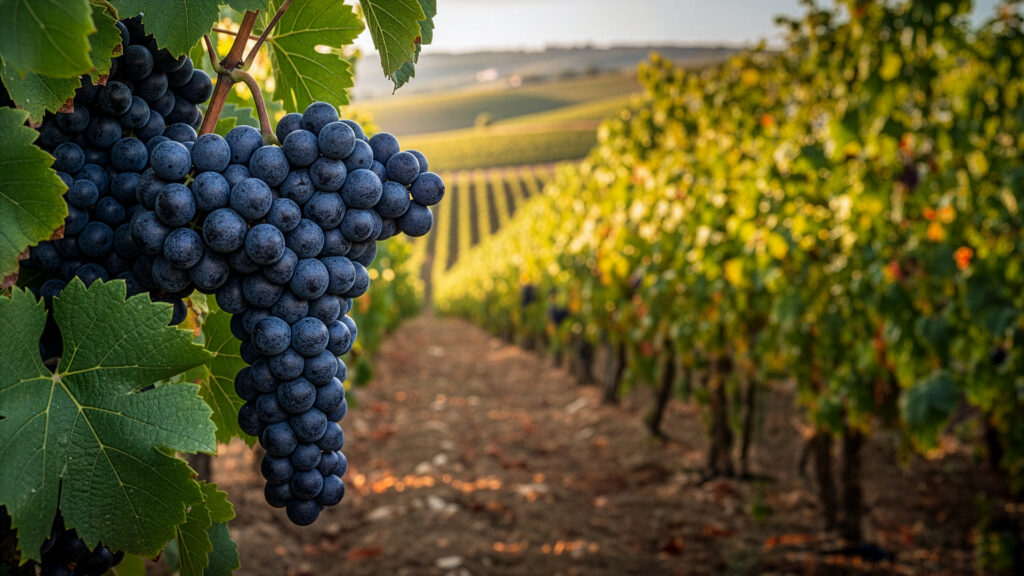
These wines are usually presented without oak notes. However, some winemakers also age this wine for a while in oak barrels to give it more complexity. Even when grown in hot climates, they retain their strong acidity and can reach an alcohol content of up to 15.5% by volume. The best quality Barbera wines come from the DOCG Barbera d’Asti, not far from the gourmet capital of Piedmont of the same name.
Due to the lower tannin content, these wines should generally be drunk younger than Nebbiolo wines. Very good or excellent wines made from Barbera Nera grapes certainly have good ageing potential, but never reach the quality of Nebbiolo wines. A large proportion of the harvest is also used to produce a lighter red wine, which is made into a slightly sparkling frizzante and serves as a refreshing thirst quencher in summer.
The fascination of Barolo
The Nebbiolo grape variety originates from Piedmont and is known for its fine, tannin-rich, expressive red wines, which also require a long maturation period. The grape variety is also cultivated in Lombardy and occasionally in the Aosta Valley. Nebbiolo is one of the grape varieties that ripens the slowest, but also retains its quality over a long period of time. The name Nebbiolo is derived from “nebbia”, which means fog, and refers to the white coating on the berries that becomes visible when fully ripe. Fog often covers the hills in Piedmont when the thick-skinned, small-berried grape is ripe. This leads to considerable vintage fluctuations in Nebbiolo wines, depending primarily on the weather in the fall.
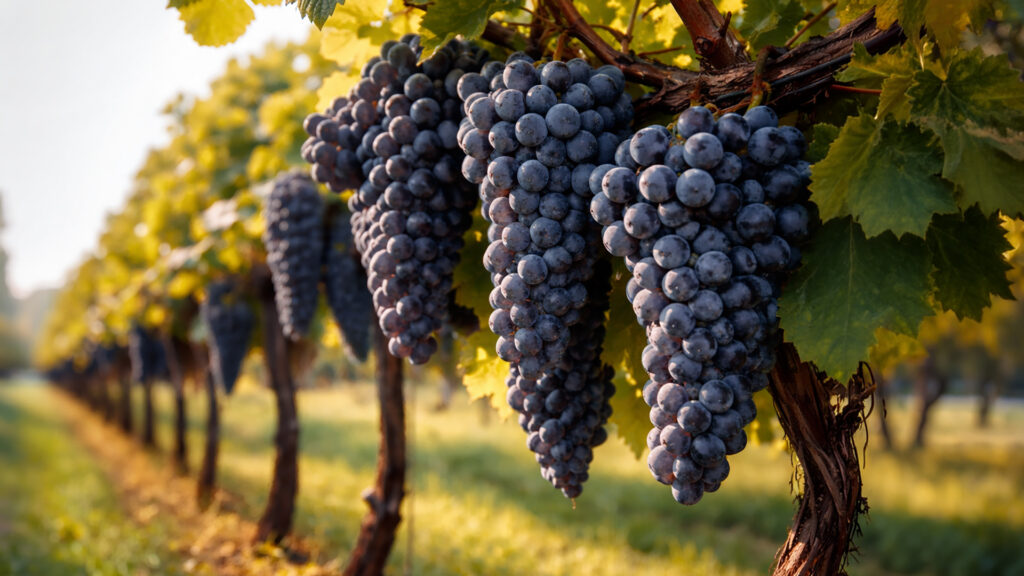
The beginnings of Nebbiolo cultivation probably date back to ancient times, particularly in the hills of Monferrato and the Langhe, where this grape variety is already mentioned in writings from the 13th and 14th centuries. Barolo is a famous wine that is known throughout the world. It is made from 100% Nebbiolo grapes. It takes its name from the village of Barolo with its 700 inhabitants, which rises above the noble vineyards of Piedmont just 15 km from the truffle capital of Alba. These red wines are among the best red wines that Italy is capable of producing and, according to James Suckling, need not fear international comparison with either Burgundy or Bordeaux.
Sangiovese and Montepulciano dominate central Italy
Sangiovese and Montepulciano are the most important dark grape varieties in central Italy. Both benefit from the warm climate of this region and produce powerful red wines. The Apennines, Italy’s central mountain range, run through the country and separate Tuscany in the west, where Sangiovese dominates, from Abruzzo in the east, where Montepulciano is widespread.
Tuscany – home of Chianti
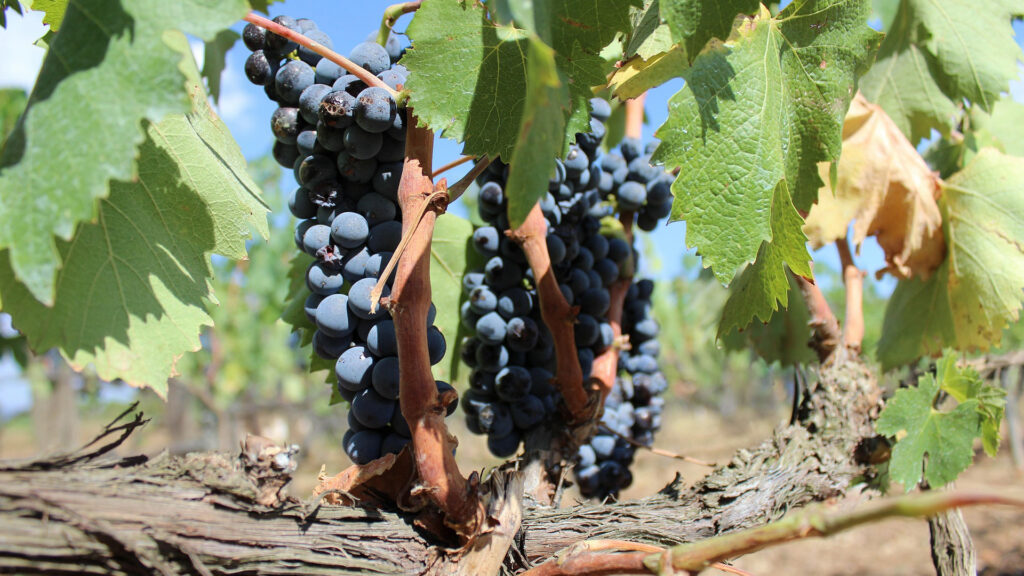
The Sangiovese grape produces dry wines that are characterized by a high level of tannins and acidity as well as aromas of red fruits such as cherries and plums and notes of dried herbs. Although this variety is widely cultivated throughout Italy, it is particularly well known for the red wines from Chianti in central Tuscany. Sangiovese dominates there, although the wines are often complemented by small proportions of other dark grape varieties.
DOCG Chianti
This appellation covers a large area in the foothills of the Apennines and produces wines of varying quality. Many wines labeled as DOCG Chianti are simple, affordable and not designed to be stored for long periods of time.
DOCG Chianti Classico
This higher appellation than the larger DOCG Chianti allows the Sangiovese grapes to ripen for longer. A typical wine from the DOCG Chianti Classico is characterized by a medium body, intense aromas of red fruits and hints of dried herbs. It is often aged in oak barrels to refine the tannins and develop complex aromas of clove and cedar. The best wines develop additional notes of meat and leather as they mature in the bottle.
DOCG Chianto Classico Riserva
This appellation has even stricter regulations for ageing, which means that these wines can also have tertiary flavors when they are released.
Special feature: DOCG Brunello di Montalcino
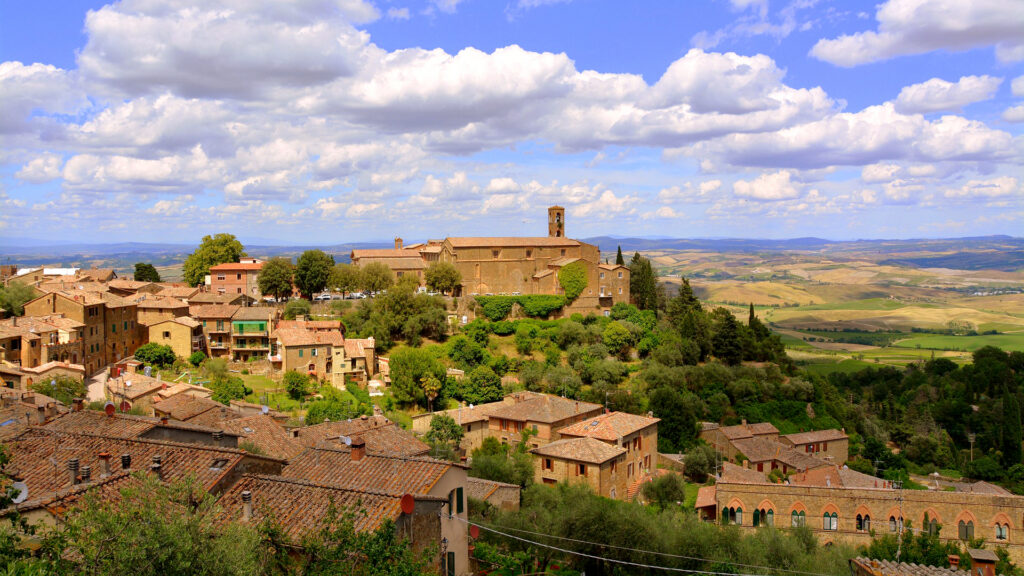
This wine comes from the warm, sunny town of Montalcino in the south of Tuscany and is characterized by its powerful and full-bodied structure. With a high level of tannins and acidity, it requires prolonged ageing in oak barrels before being released onto the market. These wines have excellent potential for bottle ageing. The term “Brunello” here refers to the local name for Sangiovese.
Abruzzo – the home of Montepulciano
In Abruzzo, the Montepulciano grape produces deep, dark wines with medium acidity and strong tannins that have aromas of black fruits such as plums and cherries. This grape is particularly well known for the production of DOC Montepulciano d’Abruzzo from east-central Italy. Large quantities of inexpensive Montepulciano wines come from this region, which are usually simple, fruity and intended for quick enjoyment. The more concentrated wines often mature for a short time in oak barrels.
Primitivo from Apulia
This grape variety plays an important role in two countries: in the USA it is known as Zinfandel, while in the southern Italian region of Apulia it is cultivated as Primitivo.
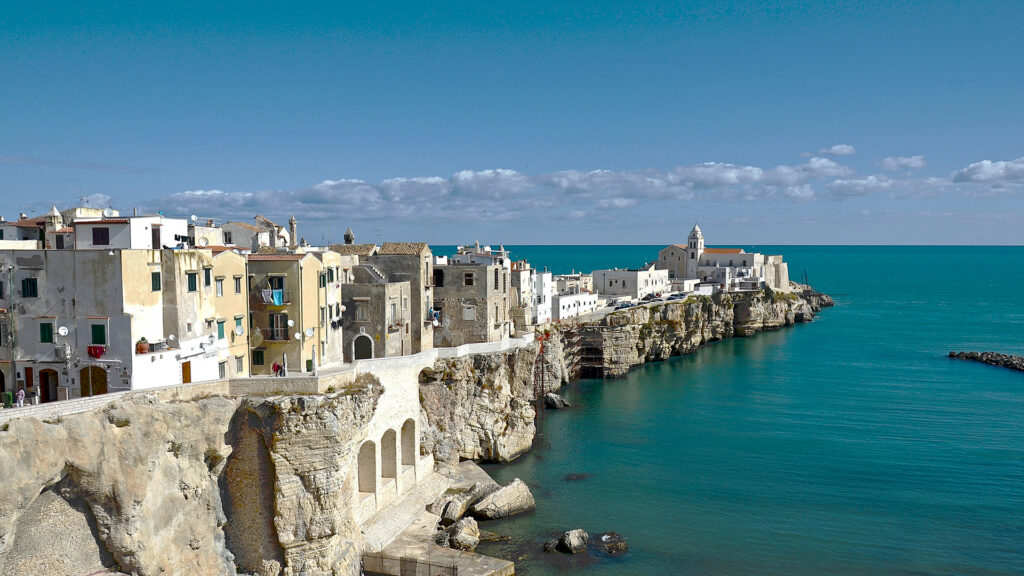
It is a dark grape variety that requires a warm climate to fully ripen. During the ripening process, the aromas develop from fresh red fruits such as strawberries and raspberries to intense black fruits such as plums, blackberries and blueberries. Often some grapes begin to raisinize before others are fully ripe, resulting in high sugar content and aromas of dried fruit such as prunes and raisins.
In Apulia, soft, fruity and dry red wines are often produced for the mass market. Particularly good to outstanding wines are produced when yields are limited. These first-class Primitivos from Apulia, which you can find in our online store, offer excellent value for money.
Valpolicella from Veneto
Even the name “Valpolicella” sounds tempting. This wine region is located in north-eastern Veneto, where the Corvina grape is grown. Corvina is known for its low to medium tannin content, lively acidity and aromas of red fruits such as cherries and plums.
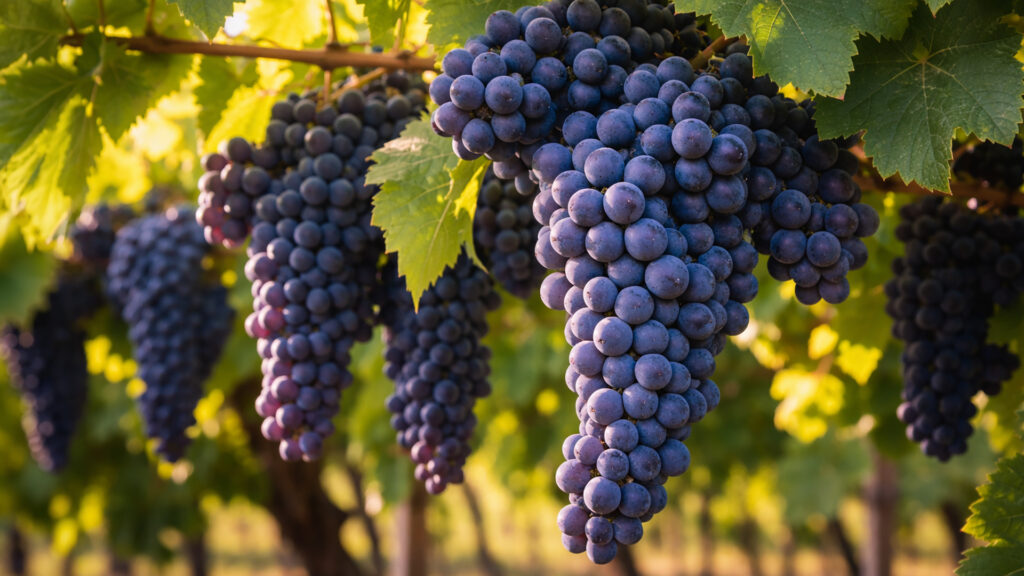
Corvina is the main grape variety in the Valpolicella region and usually dominates the cuvées, although other local varieties are also permitted. A simple DOC Valpolicella is typically light in body, fruity and uncomplicated in taste. To preserve its freshness, it is rarely aged in new oak barrels and should be enjoyed young. The DOC Valpolicella Classico comes from the hilly core area (“Classico”) of the region and is characterized by more body and complexity than the regular DOC Valpolicella.
The appassimento method is also widely used in Veneto. Here, the grapes are dried in special rooms after the harvest in order to concentrate the sugar, acidity, tannin and aroma content. The DOCG Amarone della Valpolicella is a dry to semi-dry red wine made from these partially dried grapes. The result is a powerful wine with a high alcohol content (around 15% vol.), intense tannins and pronounced aromas of fresh and dried fruit. Particularly good Amarone wines also benefit from longer ageing in the bottle. DOCG Recioto della Valpolicella, on the other hand, is a sweet red wine made from the same dried grapes. Due to the high sugar content of the grapes, the yeast cannot fully ferment the sugar, resulting in a sweet, rich wine.
The Italian quality system
Italy has a comprehensive quality system for wines, which is divided into three main levels: DOCG, DOC and IGT. There are currently 76 DOCG wines in Italy that have a controlled and guaranteed designation of origin, 330 DOC wines with a controlled designation of origin and 118 IGT wines that are classified as regional wines.
These quality levels reflect the different levels of Italian wine classification, with DOCG being the highest level, followed by DOC and IGT.
In addition to these categories, there are other designations that refer to special types of ageing, such as “Riserva” or “Vecchio”, which indicate longer barrel ageing than prescribed. The term “Superiore” is generally used for wines that have a higher alcohol content than the standard DOC wine.
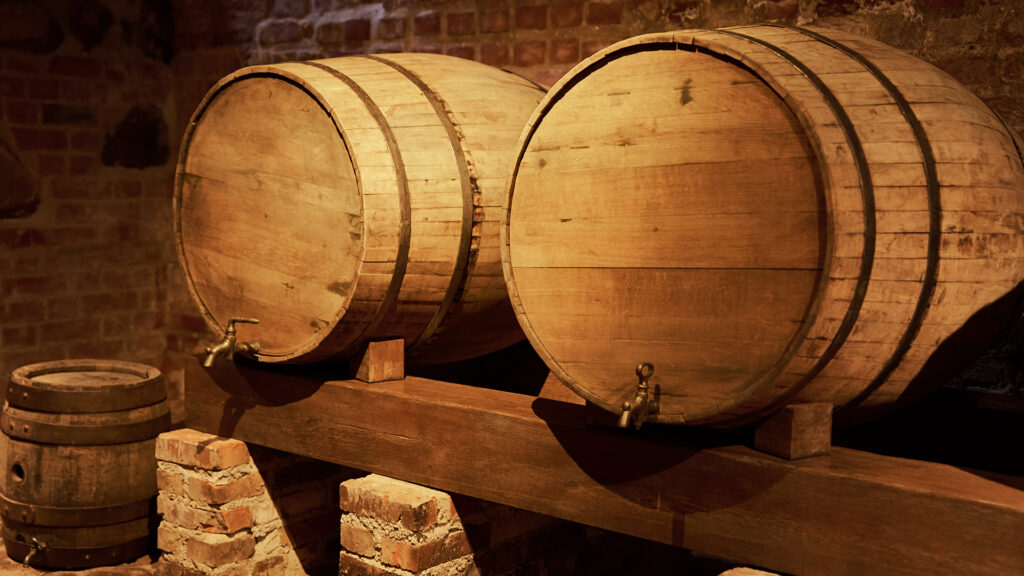
Italian winegrowing legislation was last reformed in 2009 in line with the French model. Before this reform, the laws that applied were those enacted in 1963, shortly after the founding of the European Economic Community (EEC). The first DOC wine to come onto the market in 1966 was Vernaccia di San Gimignano. The 2009 reform placed particular emphasis on protected designations of origin in order to further ensure the quality and authenticity of Italian wines. As in other European countries, all unclassified wines in Italy are divided into categories such as wine, country wine, quality wine and Prädikat wine.
- The highest quality level is the DOCG (Denominazione di Origine Controllata e Garantita).
- DOC wines (DOC = “Denominazione di Origine Controllata”) must come from a clearly defined growing region.
- IGT (“Indicazione Geografica Tipica”) refers to country wine and requires a typical regional characteristic.
Our best wines from Italy
Bella Italia is a unique wine country. You will find a wide selection of the best Italian wines in our online store. From well-known brands to small, independent winemakers, you can choose from fresh, fruity white wines, summery rosé wines with a mineral and fruity structure to full-bodied and complex red wines of the highest quality for your shopping cart.
The perfect wine for every dish
When it comes to pairing Italian wines with food, the possibilities are rich and varied, reflecting the diversity of Italian wine regions and culinary traditions.
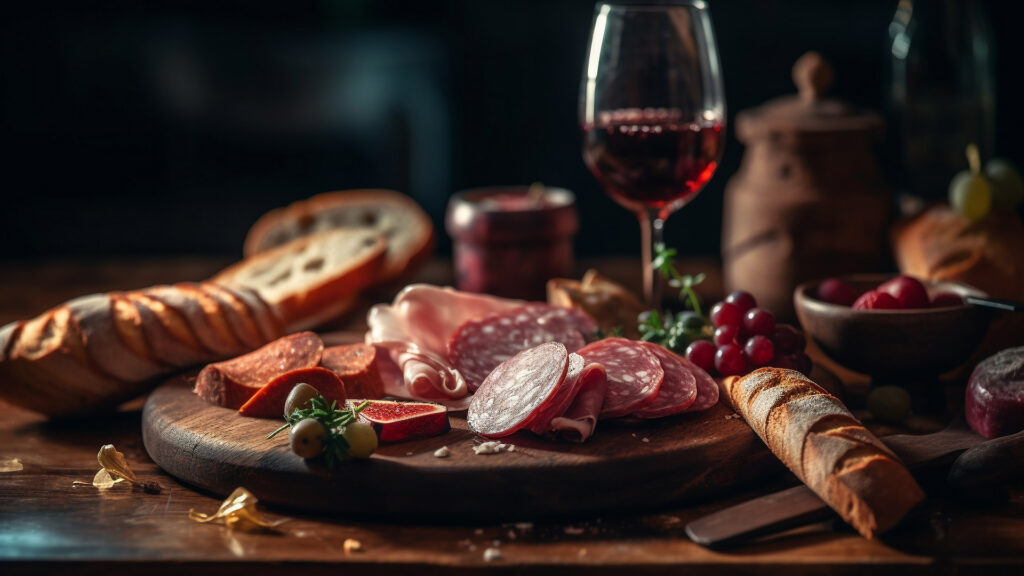
Classically, Barolo pairs perfectly with braised beef dishes such as Brasato al Barolo, where the wine’s powerful tannins complement the rich flavors of the meat. In Tuscany, Bistecca Fiorentina, a large T-bone steak, is ideal with a Brunello di Montalcino or a Chianti Classico Riserva, which provide the structure and depth to enhance the hearty profile of the steak.
If you enjoy seafood dishes, a crisp Vermentino from Liguria goes wonderfully with light seafood pasta such as trenette al pesto. For a more rustic dish such as arrosticini (lamb kebabs) from Abruzzo, Montepulciano d’Abruzzo offers the perfect balance with its medium body and fruity notes.
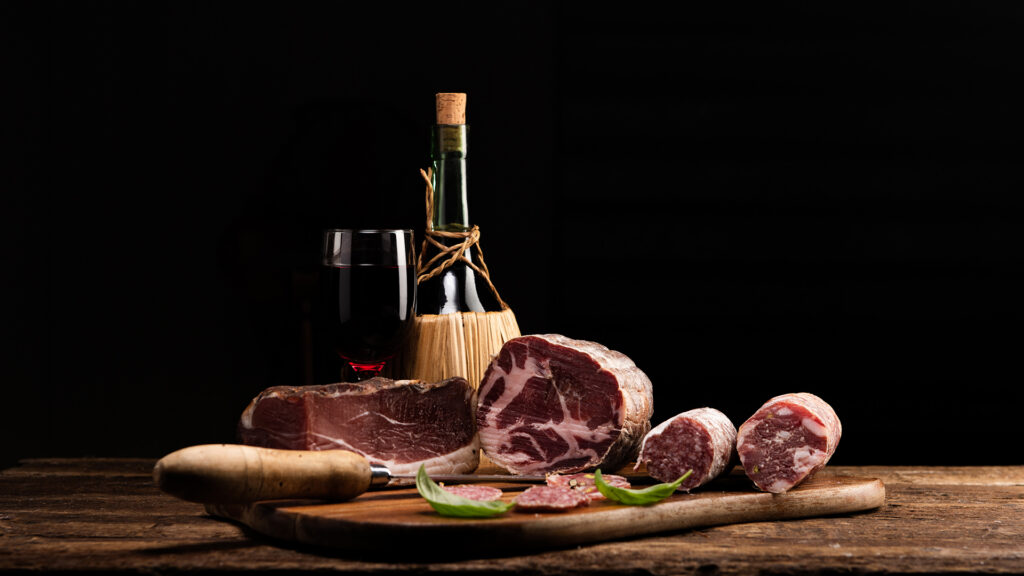
In Emilia Romagna, Lambrusco Secco pairs perfectly with Prosciutto di Parma, where the soft taste of the wine complements the salty, spicy flavors of the charcuterie. For a Roman classic such as spaghetti alla carbonara, a dry white wine such as Frascati is ideal, breaking up the richness of the dish with its crisp acidity.
Finally, for Italian desserts such as tiramisu, opt for a sweet vin santo or a rich cream sherry to balance the creamy and coffee-like flavors of the dessert. This wide range of wine pairings shows how Italian wines can beautifully enhance the flavors of different dishes, making every meal an unforgettable experience.
Questions and answers about Italy as a wine-growing country
Which wine is Italy known for?
The most widespread grape variety in Italy is Sangiovese, which is cultivated on 71,500 hectares. It produces some of the country’s best wines, including Chianti Classico, Vino Nobile di Montepulciano and Brunello di Montalcino. In second place is the Montepulciano grape, which is cultivated on 86,000 hectares.
What wine do you drink at an Italian restaurant?
Light to medium-bodied red wines such as Pinot Noir, Cabernet Franc or Garnacha go well with Italian classics such as Pizza Peperoni, Pizza Margherita or Pizza Funghi. For Italian desserts such as tiramisu, sweet wines such as a white Italian Vin Santo, an ice wine or a cream sherry are particularly suitable.
Which white wines are available in Italy?
The best-known Italian white wines are made from the Arneis, Chardonnay, Cortese, Garganega, Goldmuskateller, Inzolia, Lugana and Pecorino grape varieties.
What wine do you drink in Italy?
The best-known grape varieties include Sangiovese and Nebbiolo, from which renowned wines such as Chianti Classico, Brunello di Montalcino and Vino Nobile di Montepulciano are produced.
Which wine comes from Italy?
The most important Italian wines include Barolo, Amarone, Lambrusco, Prosecco, Chianti and Brunello di Montalcino. Important wine regions in the country are South Tyrol, Piedmont, Lombardy, Friuli-Venezia Giulia, Tuscany and southern Italy.