

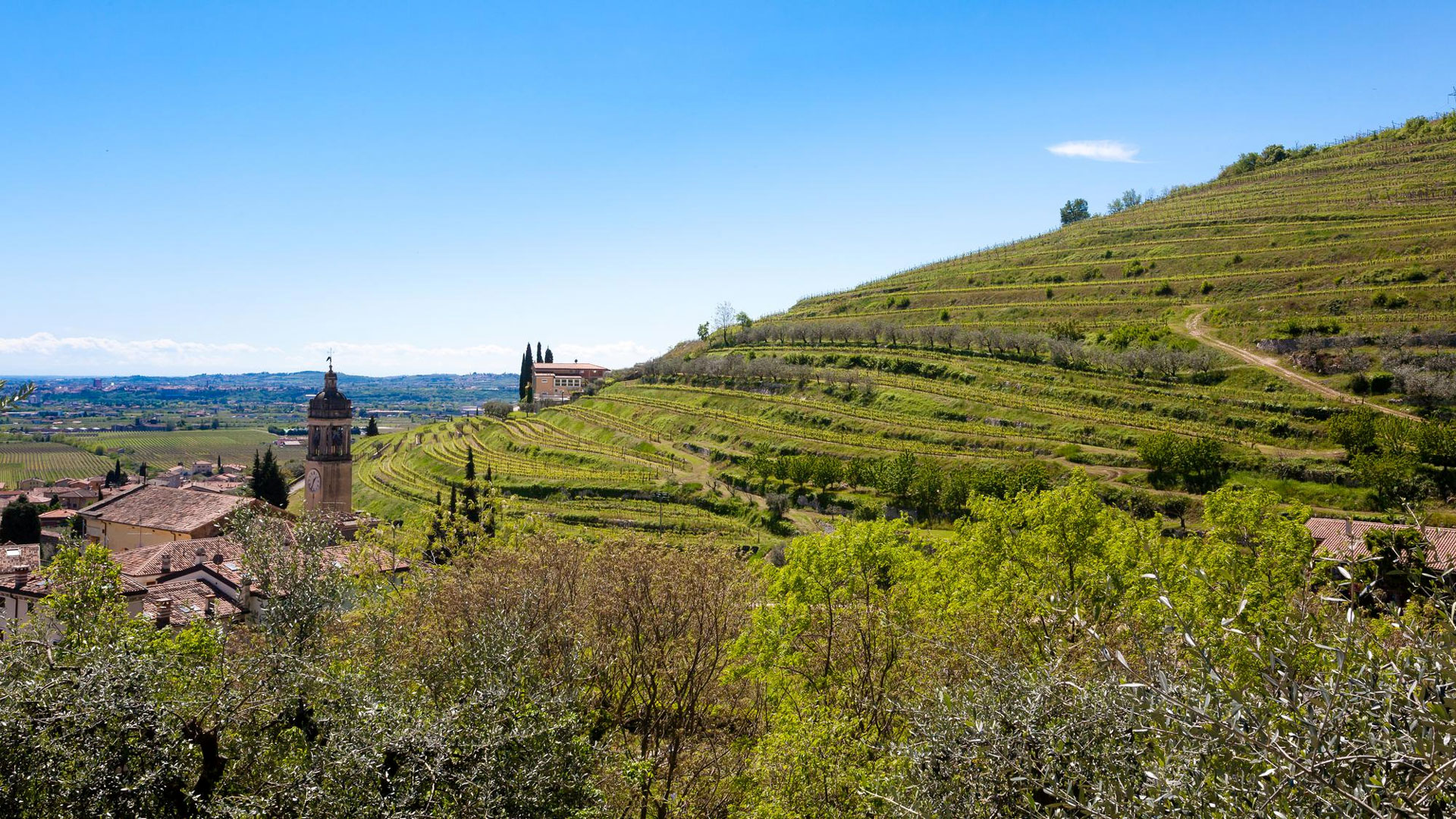
A traditional wine-growing region with soul
North of Verona, between the rolling hills and valleys of the Monti Lessini, lies the Valpolicella wine region – one of the most famous and oldest wine regions in Italy, located in the immediate vicinity of the renowned wine regions of Bardolino and Soave. Its proximity to Bardolino, which is known for its red and rosé wines, and Soave, which is characterized by its hilly terrain and special climate, underlines the importance of the region.

This area, which extends to the shores of Lake Garda and is framed by the imposing Dolomites and the Lessin mountains, is characterized by a mountainous environment. The valleys and mountains that make up the Valpolicella area create a unique microclimate that has a significant influence on viticulture. Within the Valpolicella region, there are different areas and zones, each with their own terroir-related characteristics and contributing to the diversity of the wines.

The sedimentary soils, especially calcareous and clayey sedimentary soils, have a decisive influence on the quality and character of the grapes grown here. The village of Sant’Ambrogio di Valpolicella is considered the central terroir and plays an important role in the origin and specialty of the wines, especially Amarone. The name Valpolicella means “valley of many cellars”, which refers to the long history of the wine trade and the deep-rooted wine tradition.
Geographical diversity and climatic peculiarities
The Valpolicella wine-growing region is in a privileged position: to the north, the Monti Lessini, also known as the Lessin Mountains, protect against cold winds and influence the microclimate of the region, while to the west, Lake Garda brings mild air and humidity. In addition, cool downslope winds from the Dolomites, which occur particularly in autumn, create a unique climate and help the grapes to dry out, which has a significant influence on the quality of the wines. This natural balance of protection and warmth creates ideal conditions for viticulture.

The vineyards are mostly located at an altitude of 100 to 400 meters above sea level, and the soils vary from limestone to basalt to marl as well as calcareous and clayey sedimentary soils, which characterize the terroir of the region. This results in wines with impressive depth and aromatic complexity. The valleys of Negrar, Fumane, Marano, Sant’Ambrogio and San Pietro form the heart of the Valpolicella Classica zone, which is considered the historical home of the best vineyards.
The grape varieties in the Valpolicella wine-growing region
The basis for the quality of the wines from Valpolicella are the indigenous vines, in particular the Corvina Veronese, Rondinella, Molinara and Corvinone grape varieties. The selection and care of the vines is decisive for the expression of the wine aromas and the high quality of Valpolicella wines. Corvina, the most important grape variety, provides fruit, structure and ageability. Rondinella gives the wine color and floral notes, while Molinara, one of the traditional grape varieties, provides freshness. Corvinone, often described as the sister of Corvina, brings richness and depth. Characteristic of many Valpolicella wines are the pronounced cherry aromas that characterize the taste profile. During production, attention is paid to the careful selection and quantities of grapes used in order to guarantee consistently high quality. This combination results in red wines that are typically Italian – powerful, yet elegant.
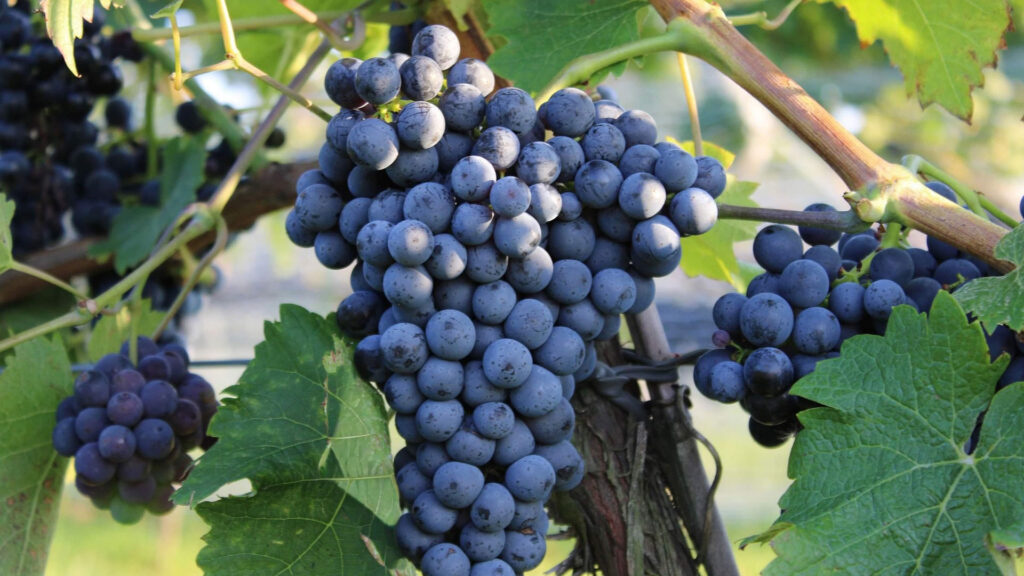
Amarone della Valpolicella – the queen of wines
Amarone della Valpolicella is considered one of Italy’s great red wines. Its production is unique: the best grapes – mostly Corvina Veronese, Rondinella and Corvinone – are dried on wooden grates or straw mats for several months after harvesting. The grapes are traditionally dried in well-ventilated halls in order to achieve the desired concentration and aroma. This so-called appassimento process concentrates sugar and aromas before the wine is fermented in winter. Amarone displays a special balance of sweetness and acidity, with a fine bitterness typical of Amarone often noticeable on the finish. The result is a powerful, complex red wine with notes of ripe cherries, dates, chocolate and fine spices. While a Valpolicella Classico Superiore must mature for at least one year before it is allowed to bear this designation, Amarone often matures for several years – at least three – in large wooden barrels before it is bottled – a symbol of patience and artisanal perfection.

Valpolicella DOCG and the importance of the appellations
The DOCG classification has been awarded to the region’s top wines – in particular Amarone della Valpolicella DOCG and Recioto della Valpolicella DOCG – as a guarantee of the highest quality. This appellation stands for strict production regulations, limited yields and careful vinification. The different areas and zones within the Valpolicella region, such as the Valpolicella Classico area and the Valpantena valley, play a decisive role in the diversity and character of the DOCG wines. Within the Valpolicella Classico zone, the municipalities of Negrar, Fumane, Marano, Sant’Ambrogio and San Pietro in Cariano are the best-known places of origin of these DOCG wines. Each municipality has its own characteristics, shaped by soil, altitude and microclimate. The production quantities in the individual areas are strictly controlled to ensure the quality of the wines. A winery that produces DOCG wines pays particular attention to the selection of grapes and compliance with regulations. The designation ‘Classico Superiore’ is awarded to a Valpolicella wine that has matured for at least one year and comes from the best vineyards in a particular area. The various DOC and DOCG designations, such as Valpolicella Valpolicella, emphasize the origin and special characteristics of each wine from these areas.
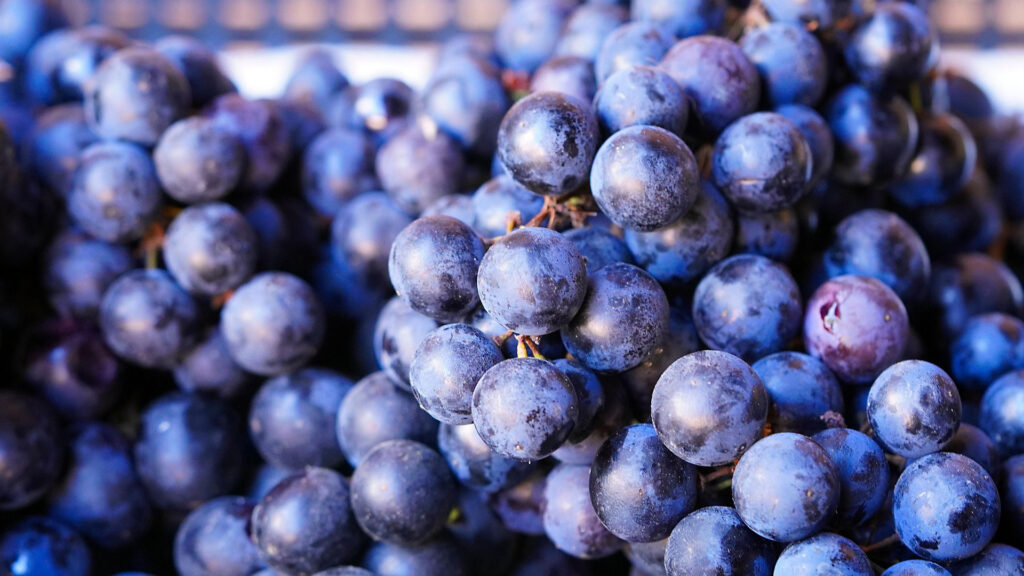
Valpolicella DOC – the expression of the region
Valpolicella DOC is a lively, fruity red wine with a youthful character. It is usually drunk young and impresses with aromas of cherries, red berries and fine herbs. The wines are light to medium-bodied, with fresh acidity and moderate alcohol content. Valpolicella Valpantena in particular, a sub-zone to the east of Verona, is known for wines with a clear structure and mineral elegance. Here, the class of the region is reflected in every glass – a real Rosso for everyday drinking that still has character.

Valpolicella Ripasso DOC – double refined
The Valpolicella Ripasso DOC is a specialty of this wine region. After the first fermentation, the young wine is fermented a second time on the pomace of the Amarone. This traditional method gives the Ripasso more depth, body and notes of dried fruit, chocolate and spices. The contact with the Amarone marc creates a combination of freshness and complexity – a wine that builds bridges between the fruity Valpolicella DOC and the opulent Amarone della Valpolicella.
Valpolicella Superiore DOC – elegance with depth
Valpolicella Superiore DOC stands for a selection of the best grapes and longer maturation. These wines are denser, more structured and have greater ageing potential. The combination of Corvina, Rondinella and Molinara, complemented by the influence of the Monti Lessini and Lake Garda, creates wines of remarkable balance. They are often matured in wooden barrels, which gives them additional complexity.

Recioto della Valpolicella DOCG – the sweet tradition
Before Amarone was created, Recioto della Valpolicella DOCG was the flagship of the region. This dessert wine is also made from dried grapes, but fermentation is stopped earlier so that natural residual sweetness remains. The Recioto is velvety, fruity and reminiscent of cherries, figs and chocolate – a wine for special occasions that also goes perfectly with dark chocolate or blue cheese.

The Valpolicella Valpantena region – class from the east
Valpolicella Valpantena to the east of Verona is an insider tip. This region combines the continental climate of Lessinia with Mediterranean influences from Lake Garda. The wines from Valpantena display an elegant freshness, fine fruit and pronounced minerality. Red wines with balance and precision are produced here, which are increasingly gaining international recognition.
Wine and food – a harmony of the senses
Wines from Valpolicella are versatile when it comes to food pairing. A young Valpolicella DOC is an excellent accompaniment to antipasti, pasta with tomato sauces or grilled vegetables. Valpolicella Ripasso DOC is ideal with roast beef, game or mature hard cheese. Amarone della Valpolicella harmonizes perfectly with hearty meat dishes, braised game, mushroom risotto or truffle dishes. Recioto della Valpolicella DOCG rounds off menus as a dessert wine with chocolate or ripe fruit. Even regional dishes from the Verona area – such as risotto all’Amarone or polenta con funghi – reflect the deep connection between cuisine and wine.

Wineries, winegrowers and tradition
The Valpolicella wine-growing region is characterized by small, family-run wineries that have been cultivating the craft for generations. The winegrowers combine ancient knowledge with modern technology. Many focus on sustainable viticulture and the careful treatment of nature. In the towns of Negrar, Fumane and Marano, you will find numerous historic wineries whose cellars show traces of centuries of work. The combination of tradition and innovation makes the region one of the most exciting wine centers in Italy.
Valpolicella and its connection to the world
Today, Valpolicella wines are appreciated all over the world. Valpolicella wines are particularly well known and popular in Germany, which underlines their strong presence on the German market. From the hills north of Verona to the markets of Europe and beyond, they are considered ambassadors of Italian winemaking. With a variety ranging from Valpolicella DOC to Amarone della Valpolicella DOCG, the region covers all facets, from light everyday wines to fine top-quality products.

Frequently asked questions (FAQ) about the Valpolicella wine region
Where is the Valpolicella wine region located?
The Valpolicella wine-growing region lies north of Verona in Veneto, between the Monti Lessini in the north and Lake Garda in the west.
Is Valpolicella a good wine?
Yes, Valpolicella wines are considered high-quality red wines in Italy. They offer fruit, elegance and variety – from light Valpolicella DOC to the noble Amarone della Valpolicella DOCG.
Which grape is Valpolicella?
The main grapes are Corvina Veronese, Rondinella, Molinara and Corvinone. These grape varieties shape the character of the wines from the region.
Where is the most beautiful wine region?
The Valpolicella Classico zone around Negrar, Fumane, Marano and San Pietro in Cariano is particularly picturesque – a landscape of hills, vineyards and historic wineries.