

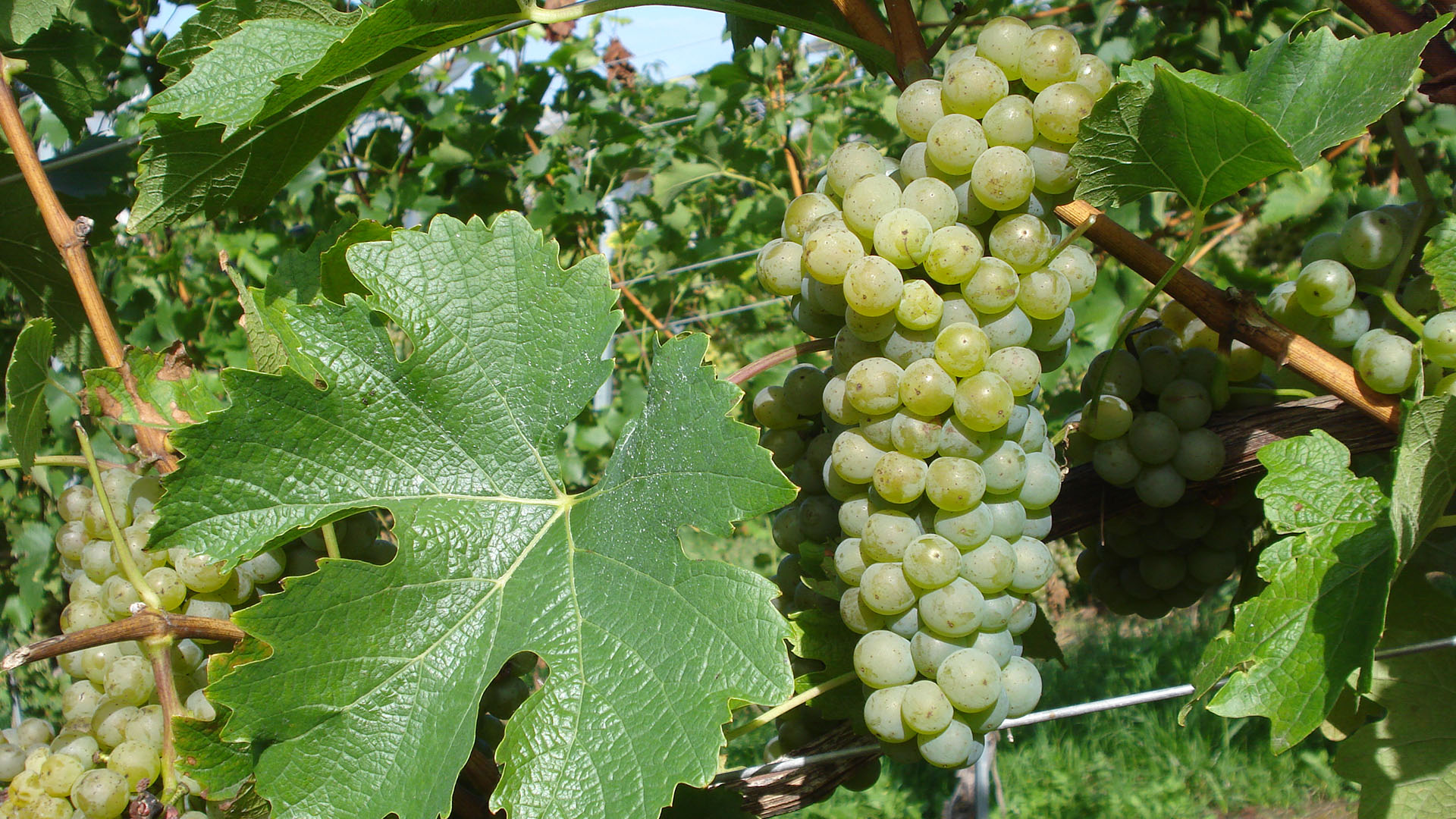
Bronner grape variety at a glance
Bronner is a Piwi grape variety from the group of Vitis vinifera-related new varieties, which is particularly valued in viticulture for its resistance. Anyone who has Bronner grapes in their glass does not usually experience an exotic outlier, but a wine with clear fruit, good structure and pleasant acidity.
Compared to Pinot Blanc (also known as Weissburgunder), the character is often somewhat more robust, while the bouquet remains elegant. Especially in cooler locations, the Bronner variety shows how precisely modern crossbreeding and terroir can work together.
Norbert Becker and the origin of Bronner
The story begins in Freiburg at the State Viticulture Institute, where Norbert Becker planted the cross for Bronner in 1975. The name is a deliberate tribute to Johann Philipp Bronner, a wine pioneer whose name repeatedly appears in wine literature as a source of inspiration.
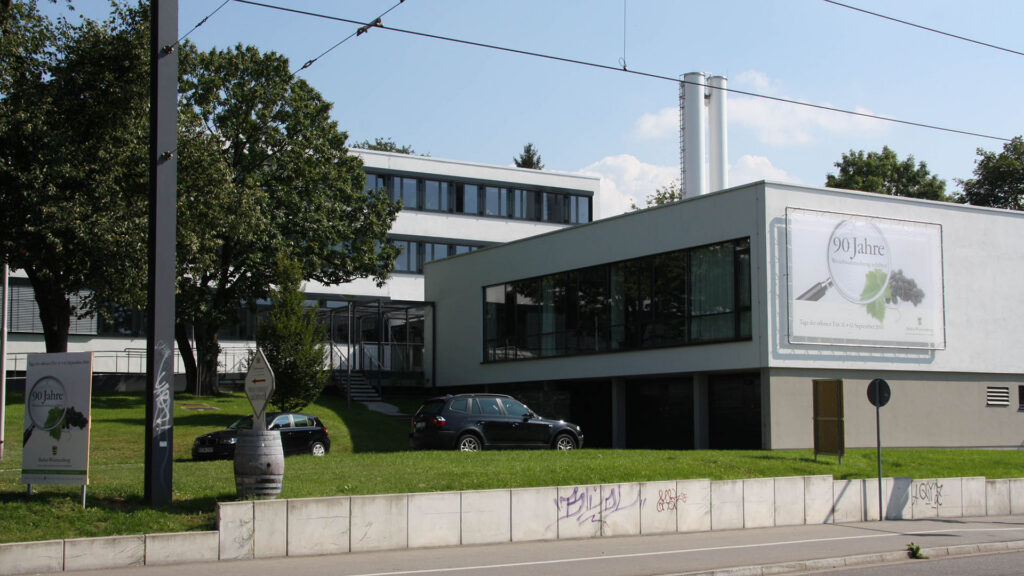
© Photo Silvia Faller, German Wine Institute Freiburg im Breisgau
Genetically, Merzling is considered the mother variety, while Gm 6494 is named as the father population. Gm 6494 itself is related to Zarya Severa and St. Laurent, which gives the Bronner grape variety some of its resistance and stability.
It is also important to clarify earlier confusion in the parentage: in practice, it is not so much the legend that counts, but the traceable origin that explains the characteristics in the vineyard. Bronner has been clearly established as an independent grape variety since its protection as a variety in 1977.
Properties, resistances and cultivation
Bronner shows vigorous growth, reliable budding and an onset of ripening that comes close to the Burgundy spectrum, depending on the location. The grape structure can be compact, which makes foliage care and interventions for air circulation important to keep botrytis in check.
The resistance profile is a key argument: peronospora resistance and oidium tolerance reduce the need for plant protection without compromising on quality. Nevertheless, site requirements remain relevant, as a Piwi variety also needs suitable sites, a good water supply and sensible spacing between vines.
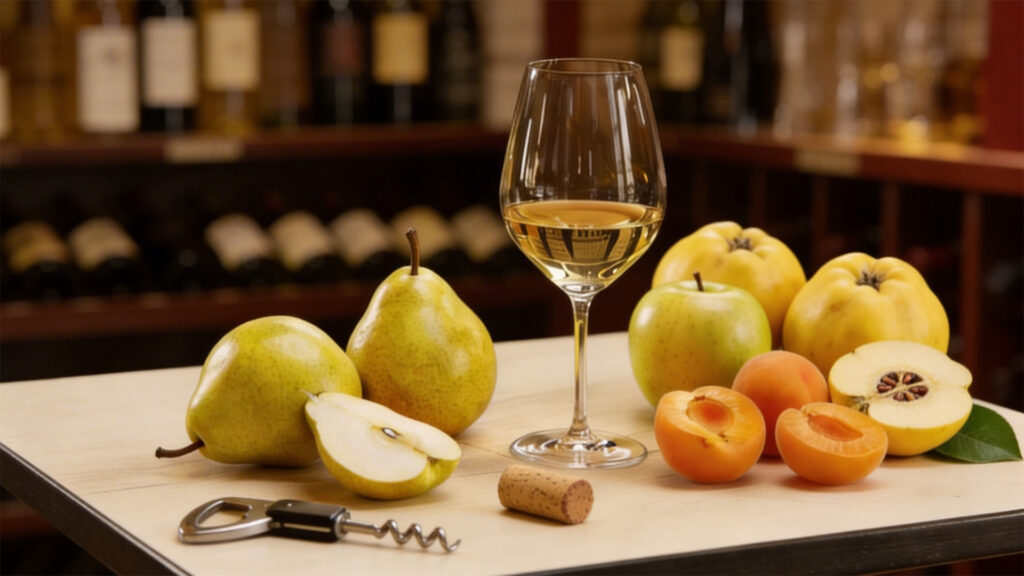
Bronner’s wines often range between pear, quince and yellow apple, sometimes with a hint of apricot. With sufficient maturity, qualities with a calm aroma, a juicy mid-palate and a clear finish emerge.
Bronner grape variety as a food companion
Bronner is an excellent match for dishes that require freshness and structure at the same time. The wine works particularly well with trout, zander or whitefish because its acidity enhances the texture of the fish and does not drown out the bouquet.
Bronner is also strong with poultry: chicken with herbs, a gentle cream dish or roast chicken with root vegetables pick up on the fruity aromas. For vegetarian dishes, combine the white wine with asparagus, leek quiche, fried mushrooms or a risotto variation with lemon zest.
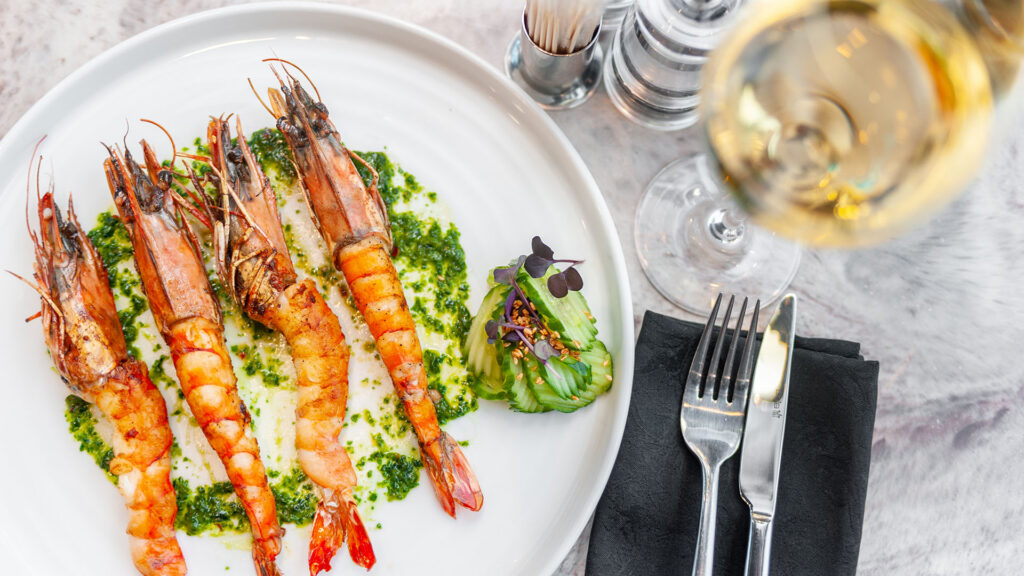
When it comes to cheese, moderation is better than quantity: semi-hard cheese, mild mountain cheese or a young goat’s cheese harmonize because Bronner has enough structure without being bitter. Even with seafood, such as prawns with garlic and parsley, the palate remains clean and animated.
Frequently asked questions (FAQ) about Bronner Rebsorte
What is the Bronner grape variety?
Bronner is a Piwi grape variety from Freiburg, bred for better resistance to Peronospora and Oidium. It produces white wine with clear fruit and stable acidity.
Who bred Bronner?
The cross goes back to Norbert Becker at the State Viticulture Institute in Freiburg. The breeding dates back to 1975.
What does Bronner typically taste like?
Apple, pear, quince and sometimes apricot are frequently evident, along with a fresh, structured palate and a clean finish. With good maturity, the bouquet appears rounder and more harmonious.
Where is Bronner grown?
Bronner is mainly found in Central European wine-growing regions, and in some cases also in Italy. Suitable locations, a good water supply and clean handling of compact grapes are crucial.